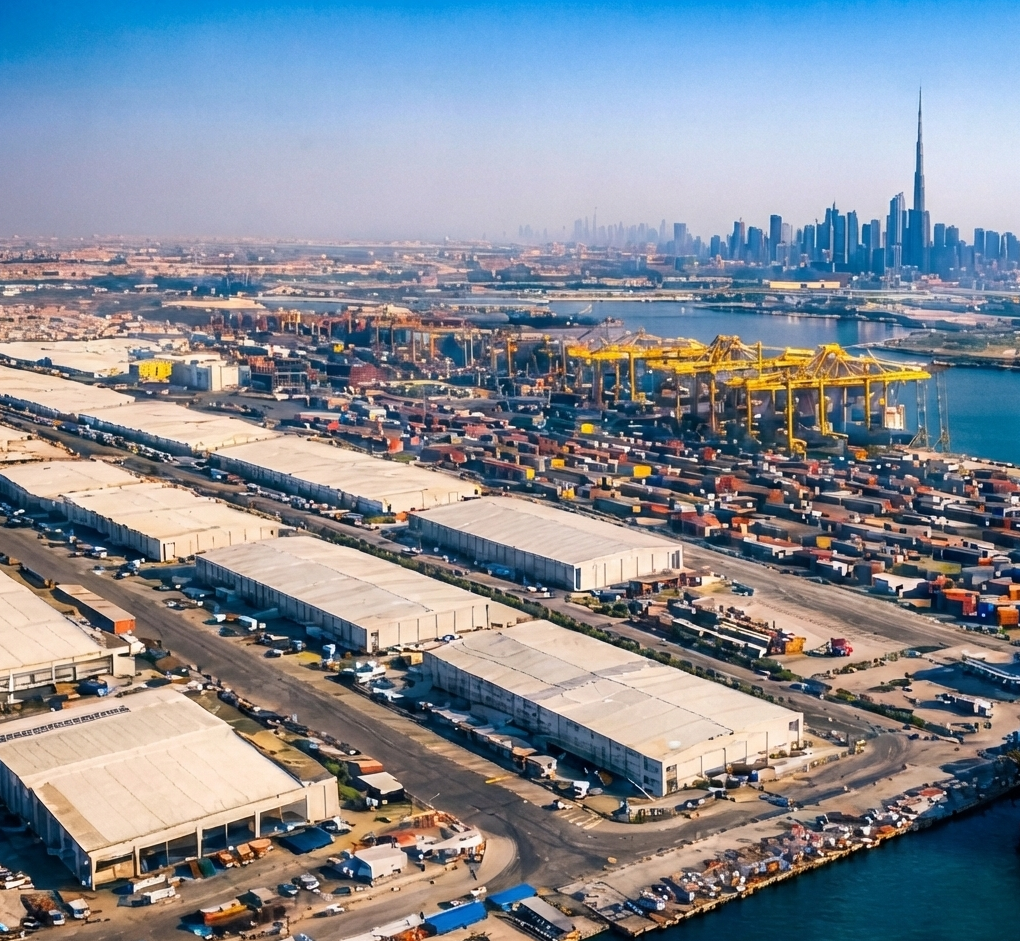
The United Arab Emirates has firmly established itself as one of the world’s most strategic trade and logistics gateways. Positioned at the crossroads of Asia, Europe, and Africa, the country handles millions of tonnes of cargo annually, making efficient storage and distribution a critical priority for importers in UAE. As global supply chains become more time-sensitive and compliance-driven, warehousing is not just a storage function but also a strategic enabler of trade efficiency, cost control, and market access.
UAE’s warehousing landscape: Market growth & demand
The UAE’s warehousing market continues to grow strongly, driven by its pivotal role in connecting Asia, Europe, and Africa:
- The overall UAE warehousing market generated about USD 21.8 billion in revenue in 2024 and is projected to grow at a CAGR of 7.8% between 2025 and 2030.
- Specialist segments such as cold storage and smart warehousing are expanding rapidly as e-commerce, healthcare, and perishable imports rise.
- Prime logistics zones like Jebel Ali Free Zone (JAFZA) and Khalifa Industrial Zone Abu Dhabi (KEZAD) report extremely high occupancy, reflecting strong demand from international traders and importers alike.
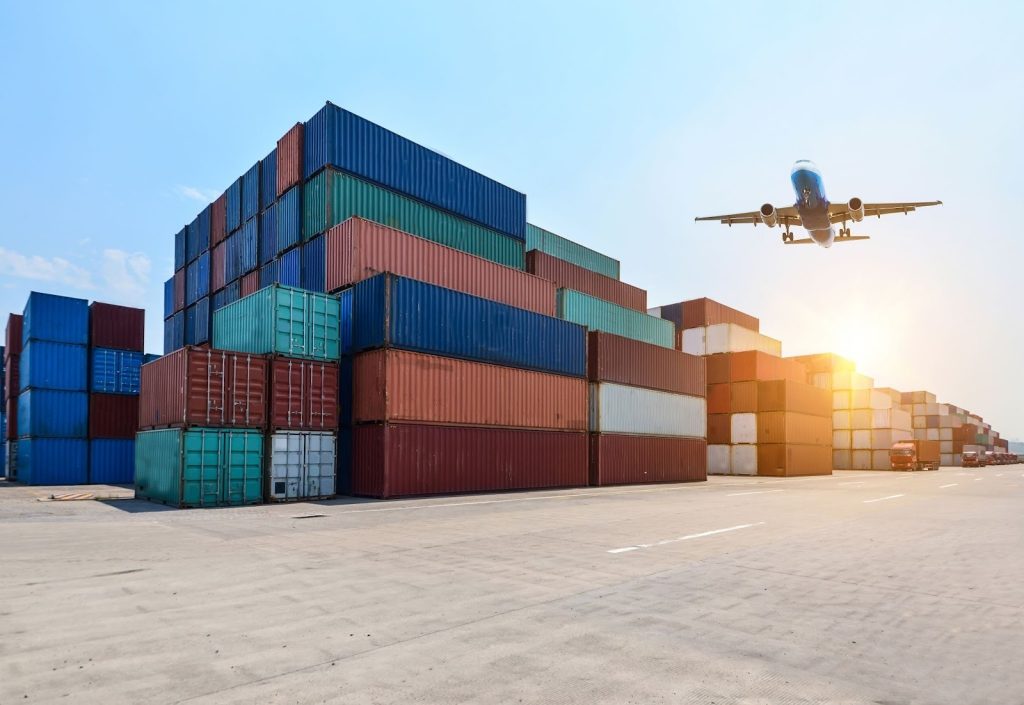
- Free Zone Warehousing: Ideal for global imports
Free zones such as Jebel Ali Free Zone (JAFZA) and Ras Al Khaimah Free Trade Zone (RAK FTZ) are among the most attractive warehousing options for importers in UAE. These locations are particularly suitable for businesses handling high volumes of goods, long-term storage, or regional distribution operations.
- Customs advantages: Goods stored in bonded free-zone facilities often benefit from deferred duty payments until they enter the domestic market.
- 100% foreign ownership and simplified customs procedures make setup and operations easier.
- Proximity to ports and airports, particularly in JAFZA and Dubai South, ensures seamless sea-air connectivity for imports and onward distribution.
- Onshore Warehousing: Accessible & flexible
For importers in UAE who distribute goods directly within the local market, onshore warehousing provides immediate access and flexibility. Though these options might not offer duty suspension like free zones, they reduce handling times and transport costs for domestic distribution.
- Warehouses in Dubai Industrial City, Sharjah, and Abu Dhabi offer competitive pricing and quick access to urban centers and road networks. (INLEX-PARTNERS)
- Many onshore facilities support short-term and seasonal storage, ideal for importers managing fluctuating demand.
- Smart & Automated Warehousing
Technology is reshaping the warehousing landscape. These advanced facilities are especially valuable for businesses with complex inventories or high throughput requirements.
- Automation, robotics, and AI-driven systems are becoming mainstream, with autonomous robots expected to handle up to 50% of e-commerce orders by 2025 in the region.
- Smart warehousing solutions help importers in UAE cut operational costs by improving picking accuracy, inventory visibility, and throughput.

- Cold chain & temperature-controlled storage
Importers in UAE dealing with perishables, such as food, pharmaceuticals, or biologics, increasingly require cold chain warehousing.
- The cold storage segment accounted for over 50% share of UAE’s cold chain logistics market in 2025, with robust growth expected through 2031.
- Integrated refrigerated facilities in ports and logistics parks enable rapid handling of temperature-sensitive cargo.
- Third-Party Logistics (3PL) warehousing
Many importers in UAE partner with 3PL providers to leverage integrated logistics services. For companies new to the region or without dedicated infrastructure, 3PL warehousing offers a low-risk way to scale.
- The UAE 3PL market is large and growing, with demand for value-added warehousing and distribution services expanding rapidly.
- 3PL partners often handle customs clearance, storage, order fulfilment, and last-mile delivery, simplifying end-to-end import operations.
Choosing the Right Warehouse: Key Considerations
When deciding among warehousing options, importers in UAE should evaluate:
- Location & connectivity: Proximity to seaports, airports, and customs gateways impacts handling speed and costs.
- Customs status: Bonded vs. non-bonded warehouses affect duty payment timing and cash flow.
- Storage requirements: Temperature needs, throughput expectations, and inventory complexity shape facility selection.
- Technology & services: Integrated Warehouse Management Systems (WMS), automation, and value-added services (like kitting or labelling) enhance efficiency.
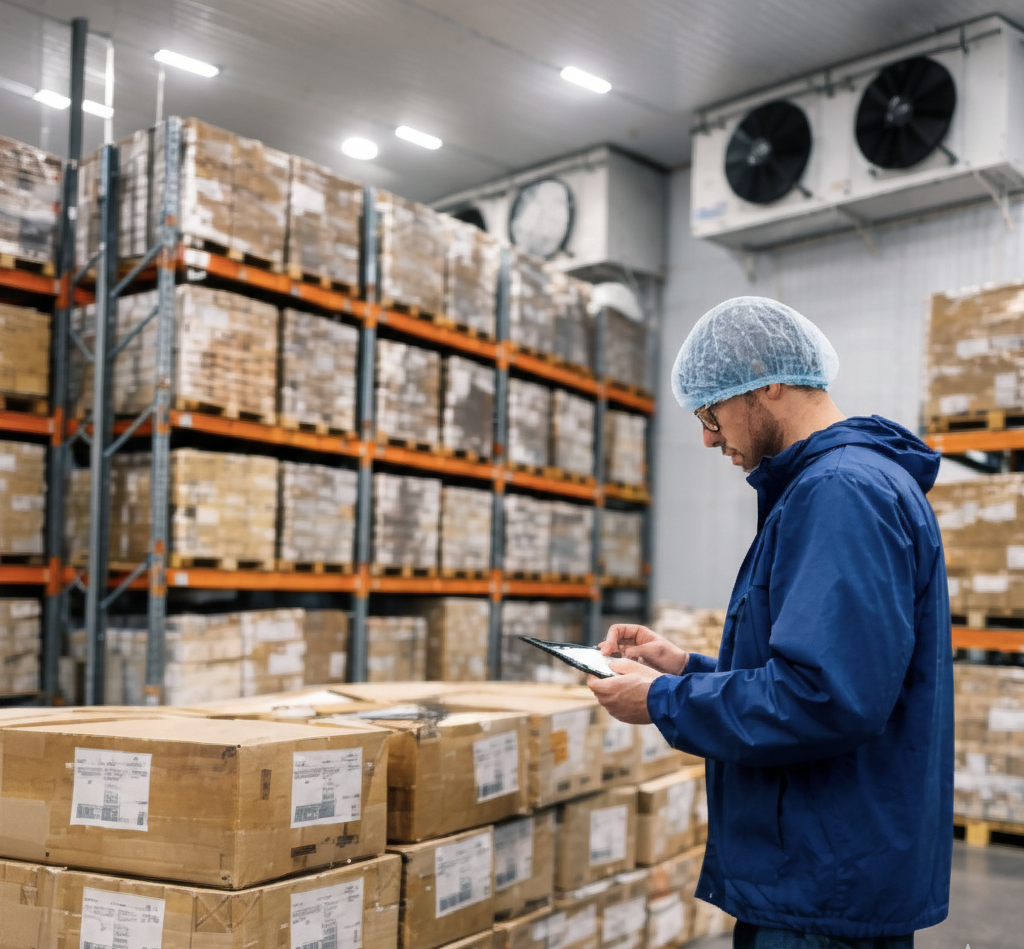
stocyard’s warehousing solutions for importers in UAE
stocyard enables importers in UAE to manage storage, finance, logistics, and risk under one integrated warehousing ecosystem:
- Smart warehousing: Cloud-enabled warehouses with real-time inventory visibility, multi-location tracking, and data-driven operational insights.
- Inventory finance: Trade-linked working capital solutions aligned with warehouse stock to enhance liquidity and inventory capacity.
- Logistics & 3PL services: End-to-end 3PL warehousing and import–export logistics with real-time cargo and shipment visibility.
- Quality testing & insurance: Integrated quality inspections, compliance reporting, and insurance coverage for secure warehouse storage across the UAE.
Conclusion
The UAE’s warehousing sector presents a rich landscape of options for importers, whether prioritising cost efficiencies, advanced technology, or seamless connectivity. With the market projected to grow strongly through 2030 and beyond, choosing the right warehousing strategy is essential for competitive advantage. By aligning business goals with the right type of facility, and partnering with a trusted provider such as stocyard, importers in UAE can future-proof their supply chains and thrive in the region’s dynamic trade environment.
FAQs
- What warehousing options are available for importers in UAE?
Importers in the UAE can choose from bonded warehouses, free zone warehouses, customs-cleared warehouses, cold storage facilities, and 3PL warehouses, depending on cargo type, duty requirements, and distribution plans.
- How do bonded warehouses benefit importers in UAE?
Bonded warehouses allow importers in the UAE to defer customs duties and VAT until goods are cleared for local sale or re-export, helping improve cash flow and inventory planning.
- What factors should importers in UAE consider when selecting a warehouse?
Key factors include warehouse location, customs and free zone access, technology integration, inventory visibility, scalability, compliance standards, and availability of value-added services like financing and quality testing.
- Can importers in the UAE get financing linked to warehouse inventory?
Yes, many importers in UAE can access structured inventory finance where working capital is directly linked to warehouse-stored goods, enabling better liquidity without liquidating stock.
- Why are 3PL and smart warehousing solutions gaining popularity among importers in UAE?
3PL and smart warehousing solutions offer importers in UAE operational efficiency, real-time inventory tracking, reduced logistics complexity, and improved supply chain visibility, especially in high-volume trade environments.