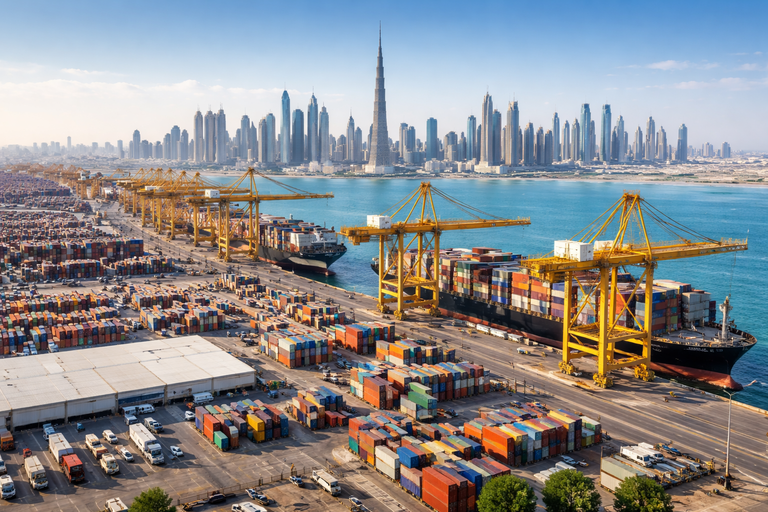
In the world of global logistics, Dubai stands out as one of the most vibrant warehousing markets on the planet. Thanks to booming e-commerce, strategic infrastructure investments, and its location at the crossroads of Asia, Europe, and Africa, Dubai’s warehousing ecosystem is thriving. According to industry analysis, the UAE logistics and warehousing market was valued at over USD 56.9 billion in 2025 and is forecast to grow strongly through the decade.
But as businesses look to build resilient, cost-effective supply chains here, a fundamental decision arises: public or private warehousing? Let’s see what each model offers, how they differ, and why platforms like stocyard are transforming the way companies think about warehousing in Dubai.
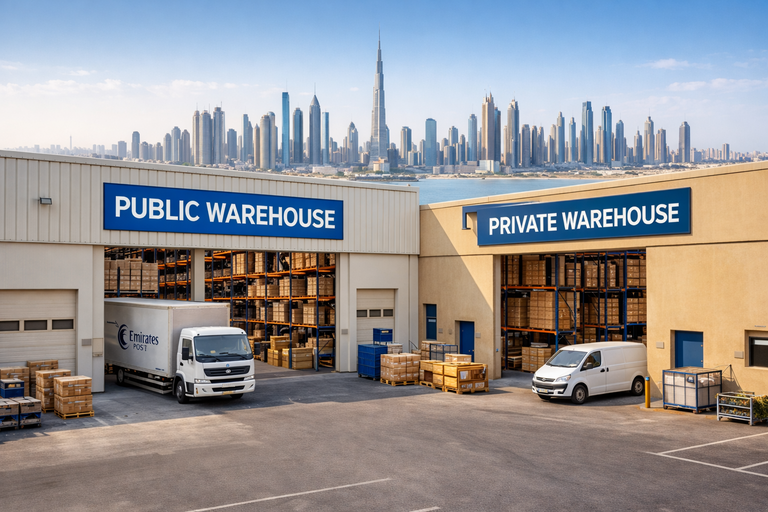
What is public warehousing?
Public warehouses are shared storage spaces operated by third-party providers and rented out to multiple companies. Think of them as “warehouse co-working spaces” — flexible, accessible, and scalable.
Key features
- Pay-as-you-go setup: Ideal for seasonal inventory spikes or short projects.
- Shared infrastructure: Space, equipment, and services are pooled among tenants.
- Value-added services: Many public warehouses provide packing, labelling, sorting, and other logistics services, making them ideal for smaller businesses and startups.
Why businesses choose public warehousing
- Flexibility: No long-term lease obligations.
- Lower upfront costs: No need to invest in your own property or build-out.
- Quick entry: Move in and start storing goods fast, often within days.
This makes public warehousing especially attractive for SMEs, seasonal sellers, and e-commerce operators looking to scale without long-term commitments. In a dynamic market like Dubai, where warehouse rentals rose by up to 14% year-on-year in 2025, and transactions jumped 60% amid surging e-commerce demand, flexibility counts.
What is private warehousing?
In contrast, private warehouses are owned or exclusively leased by a single company. These facilities give businesses complete control over their storage environment and operations.
Core advantages
- Customisation: Tailor the layout, technology, security, and workflows to match your business needs.
- Brand control: Have a dedicated space that aligns with your operational brand identity.
- Integrated systems: Seamless connectivity between warehouse management software (WMS) and your internal systems for real-time tracking, forecasting, and automation.
Private warehousing works best for companies with predictable storage needs, high inventory volumes, or specialised requirements, think manufacturers, large retailers, or logistics giants.
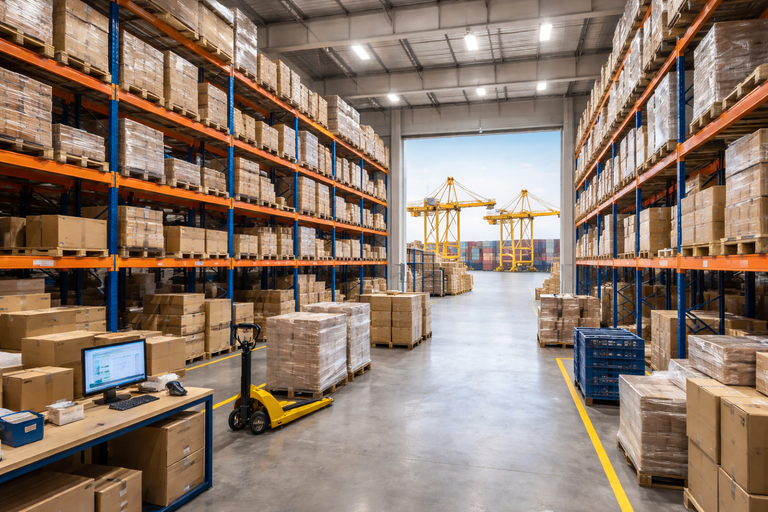
Public vs Private Warehousing: Comparison
| Feature | Public Warehousing | Private Warehousing |
| Cost Structure | Variable, usage-based | Fixed or long-term lease |
| Control & Customisation | Limited | Full |
| Technology Integration | Standard shared tech | Tailored advanced tech |
| Ideal For | SMEs, seasonal demand | Large enterprises, complex logistics |
| Scalability | Highly flexible | Moderate to high (but slower) |
In a competitive market like Dubai, where Grade A warehouse occupancy averages over half of the market and new stock is quickly pre-leased, choosing the right model can determine how agile and resilient your supply chain becomes.
The role of Dubai’s logistics boom
Dubai isn’t just growing, it’s exploding with logistics activity. The city captures over 66% of the UAE’s 3PL market share as of 2025, led by strong trade activity, free-zone incentives, and major infrastructure like Jebel Ali Free Zone (JAFZA) and Dubai South.
This momentum drives demand for both public and private warehousing. Yet with limited vacant space and rising rental rates near key hubs like Jebel Ali and Dubai Investments Park, many companies are feeling the pressure to optimise every square foot they lease.
So, which should your business choose?
There’s no one-size-fits-all answer, but here’s a practical way to think about it:
Go for public warehousing if:
- You’re a startup or SME without predictable inventory.
- You need rapid, short-term space without long leases.
- You want logistics support without heavy investment.
Go for private warehousing if:
- You handle large, consistent inventory flows.
- You require customised operations and advanced tech integration.
- Your supply chain strategy depends on total control.
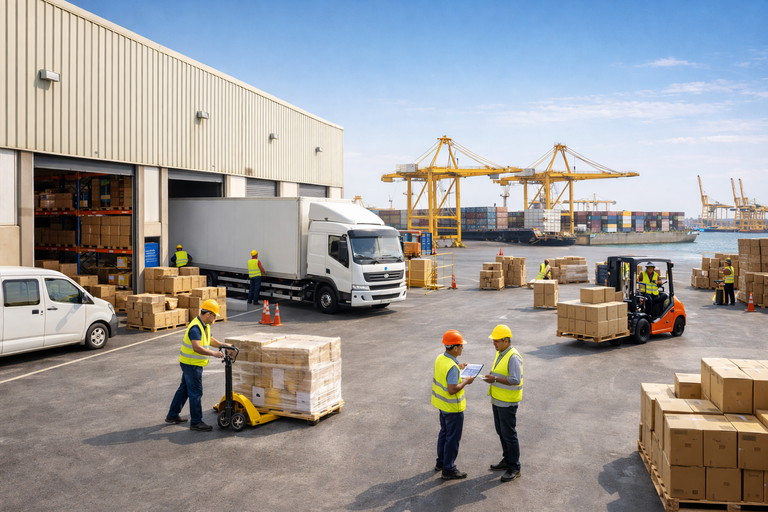
How stocyard reimagines warehousing in Dubai
stocyard is redefining how companies access storage in Dubai and across the UAE. Rather than forcing businesses to choose between rigid long leases or fragmented options, stocyard’s smart warehousing platform lets you discover, compare, and book space online in minutes, whether you need short-term public storage or bespoke long-term solutions.
stocyard offerings
- Flexible booking: Choose from short-, long-, or variable-term storage plans.
- Smart insights: Compare warehouse features, pricing, and location advantages side-by-side.
- Secure & insured spaces: All facilities meet high safety standards with optional insurance.
- Strategic locations: From vibrant free zones to key logistics corridors across Dubai and the UAE.
Conclusion
Dubai’s warehousing landscape in 2026 is thrilling, dynamic, and filled with opportunity. Public warehousing offers unmatched flexibility, while private facilities deliver control and customisation and platforms like stocyard help you unlock the best of both worlds with smart, tech-driven solutions tailored to your business growth.
Whether you’re an aspiring e-commerce brand or a multinational enterprise, understanding the public vs private warehousing debate in Dubai is a strategic advantage. And in a fast-growing market, curious businesses win.
FAQs:
- What is the main difference between public and private warehousing in Dubai?
The key difference lies in ownership and flexibility. Public warehouses are shared facilities rented on a short-term or pay-as-you-go basis, offering flexibility and lower upfront costs. Private warehouses, on the other hand, are owned or exclusively leased by a single company, providing full control, customisation, and long-term operational stability.
- Which type of warehousing is better for SMEs and e-commerce businesses in Dubai?
Public warehousing is often the better choice for SMEs, startups, and e-commerce brands in Dubai. It allows businesses to scale storage up or down based on demand, avoid long leases, and operate efficiently in a market where warehouse occupancy is high and rental rates are rising.
- When should a business consider private warehousing in Dubai?
Private warehousing makes sense when a business has large, consistent inventory volumes, specialised storage needs, or requires advanced automation and system integration. Manufacturers, large retailers, and companies with predictable supply chains typically benefit most from private warehouse setups.
- How does Dubai’s logistics growth impact warehouse availability and costs?
Dubai’s position as a global trade hub, combined with the rapid growth of e-commerce and 3PL services, has pushed Grade A warehouse occupancy close to 95%. This high demand has led to rising rental rates and limited availability near key logistics hubs, making flexible and tech-enabled solutions increasingly valuable.
- How does stocyard help businesses choose between public and private warehousing?
stocyard simplifies the decision by offering a digital marketplace for warehouse discovery and booking. Businesses can compare public and private warehouse options, locations, features, and pricing in one place, allowing them to secure the right storage solution quickly, without long negotiations or rigid commitments.