If you’ve been hearing ‘smart warehousing’ everywhere lately, it’s because it’s no longer just a buzzword.
Across the UAE, warehouses are no longer just storage spaces. They’re becoming tech-driven, data-powered hubs that keep supply chains moving faster than ever. And if you’re a business operating in or expanding to the UAE, understanding smart warehousing is essential.
“The UAE warehousing market generated a revenue of USD 21.8 billion in 2024 and is expected to reach USD 34.2 billion by 2030.”
What is smart warehousing?
Smart warehousing refers to warehouses that use technologies such as automation, AI, IoT sensors, and real-time data to manage inventory, storage, and movement more efficiently.
Instead of relying heavily on manual processes, smart warehouses use systems that can track stock instantly, optimise space, reduce errors, and speed up dispatch. Think robotics moving pallets, cloud dashboards tracking inventory, and predictive systems telling you what you’ll need next week, that too before you even ask.
In the UAE, this shift isn’t a futuristic concept anymore. It’s already happening at scale.
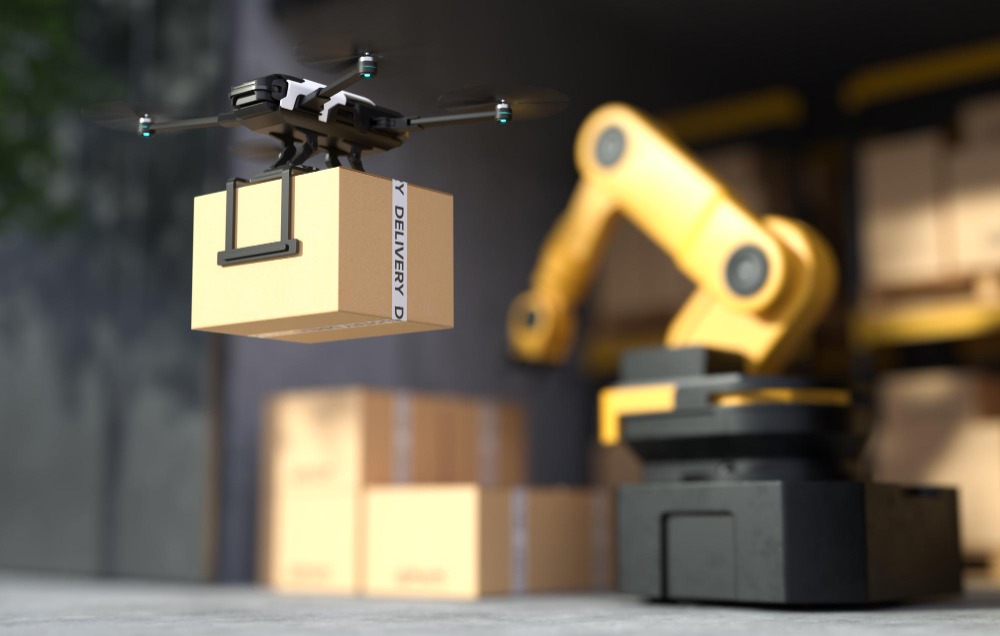
Smart warehousing is booming in the UAE
The UAE is quickly becoming one of the Middle East’s most advanced logistics hubs. In fact, the UAE logistics market reached USD 65.49 billion in 2025 and is projected to keep growing steadily through the next decade. This growth is driving massive demand for smarter storage and distribution infrastructure.
Here’s what’s pushing businesses toward smart warehouses:
- Rapid e-commerce growth
- Expansion of global trade through UAE ports
- Need for faster fulfilment and real-time visibility
- Rising labour and operational costs
- Government focus on smart logistics and infrastructure
The UAE’s smart warehousing market alone is already valued at around USD 590 million and is expected to grow strongly through 2030 as automation adoption increases. Meanwhile, logistics automation revenue in the UAE hit about USD 349 million in 2025 and is forecast to grow at nearly 17% CAGR from 2026 onward.
Key technologies behind smart warehousing
So what actually makes a warehouse “smart”? Below are the technologies driving it in the UAE:
- Automation and robotics: Automated storage and retrieval systems (AS/RS), robotic pickers, and conveyor systems reduce manual effort and speed up operations. Some automated facilities in the UAE can handle thousands of pallets daily with near-perfect accuracy.
- AI and data analytics: AI helps forecast demand, manage inventory levels, and optimise storage layouts. In advanced setups, predictive systems can improve inventory planning accuracy.
- IoT and real-time tracking: Sensors and RFID tags allow businesses to monitor stock movement, temperature, and location instantly, critical for sectors like food, pharma, and e-commerce.
- Cloud-based warehouse management systems: Modern WMS platforms give businesses complete visibility into stock, orders, and warehouse performance from anywhere in the world.

Benefits of smart warehousing for businesses
So why are companies investing in smart warehouses? Because the payoff is real.
Businesses adopting smart warehouse systems in the UAE are seeing:
- Reduction in operational costs
- Higher inventory accuracy
- Faster order processing and dispatch
- Better space utilization
- Improved scalability during demand spikes
stocyard’s smart storage solutions
At stocyard, we see smart warehousing not just as a trend, but as the future of storage in the UAE. Businesses today want visibility, flexibility, and technology that works with them.
That’s why modern warehousing solutions are evolving to offer:
- Digitally managed inventory
- Real-time tracking
- Scalable storage options
- Integrated logistics support
- Data-driven insights
Whether you’re an importer, exporter, e-commerce brand, or distributor, a smart warehouse allows you to move faster and operate smarter in a competitive market like the UAE.
And let’s be honest, in a country positioning itself as a global trade hub, traditional warehousing alone simply won’t keep up.
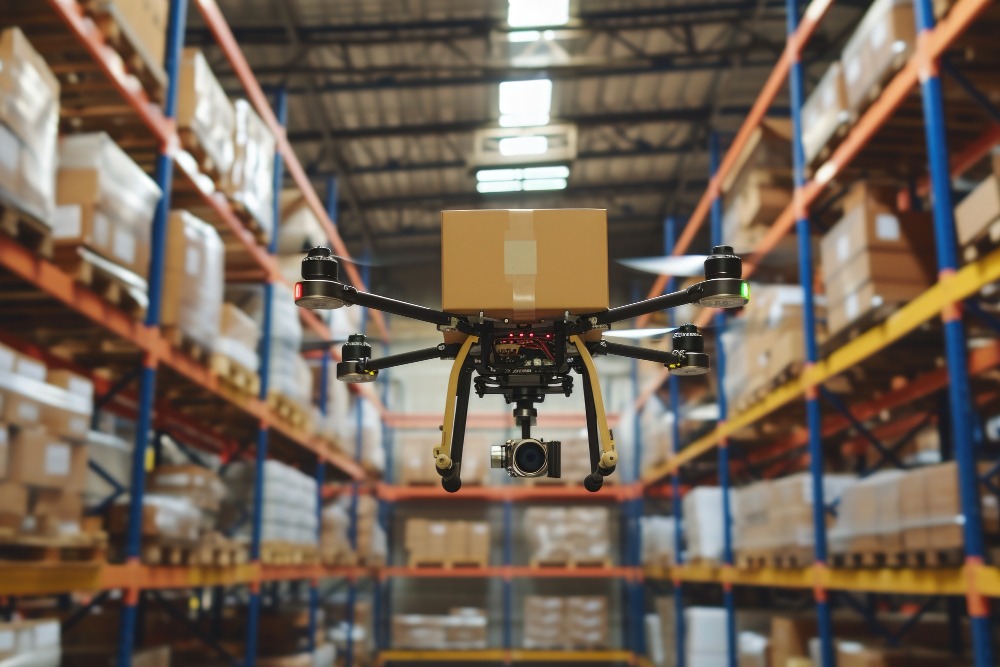
Is smart warehousing worth it in 2026?
Short answer: yes.
Long answer: If your business relies on efficient storage, quick fulfilment, or global trade, a smart warehouse can significantly improve performance and reduce costs. So again, yes!
With UAE investments in smart logistics already exceeding billions and automation adoption rising rapidly, the shift toward smarter storage isn’t slowing down anytime soon. Businesses that adapt early gain better efficiency, stronger supply chains, and a clear competitive edge.
Final thoughts
As trade volumes grow and customer expectations rise, warehouses must do more than just store goods. They must think, predict, and adapt. For businesses exploring storage solutions in 2026, the real question isn’t whether to adopt smart warehousing; it’s how soon.
At stocyard, we’re excited to be part of this shift toward smarter, more connected warehousing across the UAE. Because when storage becomes intelligent & businesses move faster, that’s where the real growth begins.
FAQs
- What is smart warehousing?
It refers to using automation, AI, IoT, and digital systems to manage storage, inventory, and dispatch more efficiently. - Why is smart warehousing important for businesses in the UAE?
It helps businesses reduce costs, improve inventory accuracy, and speed up order fulfilment in a fast-moving trade and logistics market. - Which industries benefit most from smart warehouses?
E-commerce, FMCG, retail, food, pharma, and import-export businesses benefit the most from tech-enabled storage solutions. - Is a smart warehouse expensive to implement?
Initial costs can be higher, but long-term savings from efficiency, reduced errors, and faster operations often outweigh the investment. - How can businesses get started with smart warehousing?
They can partner with modern warehouse providers that offer digital inventory systems, real-time tracking, and scalable storage solutions.