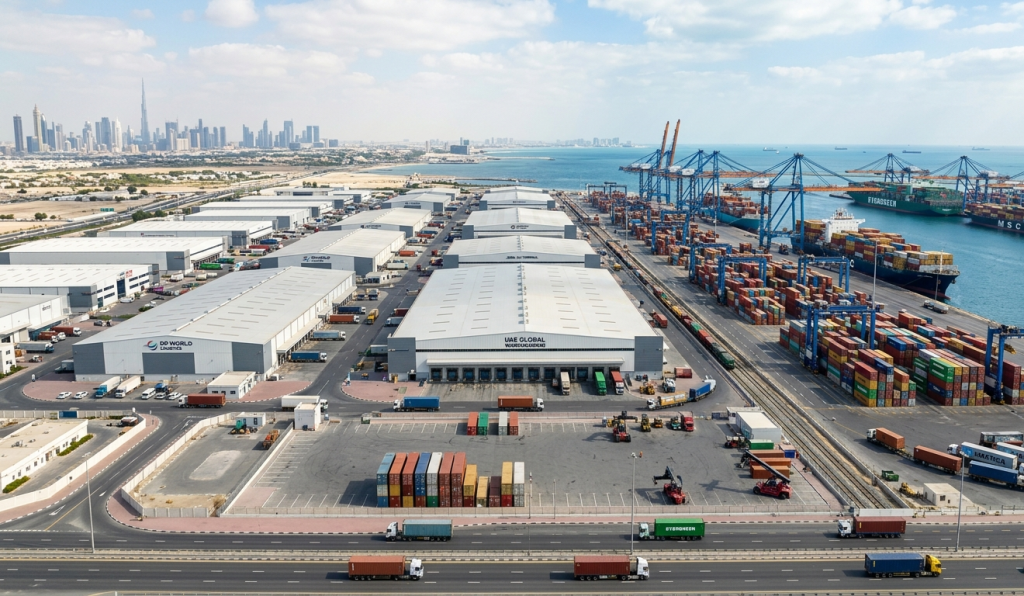
The United Arab Emirates has rapidly emerged as one of the world’s most dynamic trade and logistics hubs. Strategically located between Asia, Europe, and Africa, the country plays a crucial role in facilitating global trade flows, acting as a gateway for imports, exports, and re-exports across multiple regions.
The UAE’s non-oil foreign trade in 2025 reached a historic milestone, surpassing USD 1 trillion (approx. AED 3.8 trillion), reflecting ~27% year-on-year growth from 2024 and exceeding the 2031 target. Non-oil exports surged by 45.5% to reach AED 813.8 billion, driven by gold, jewellery, aluminium, and polymers.
With such massive trade volumes moving through ports, airports, and logistics corridors, the demand for efficient storage infrastructure has grown significantly. Businesses across sectors, from commodity traders to e-commerce firms, now rely heavily on modern warehousing solutions to manage inventory, streamline distribution, and maintain supply chain efficiency. However, as trade volumes grow, so does the need for more flexible and scalable warehousing models.
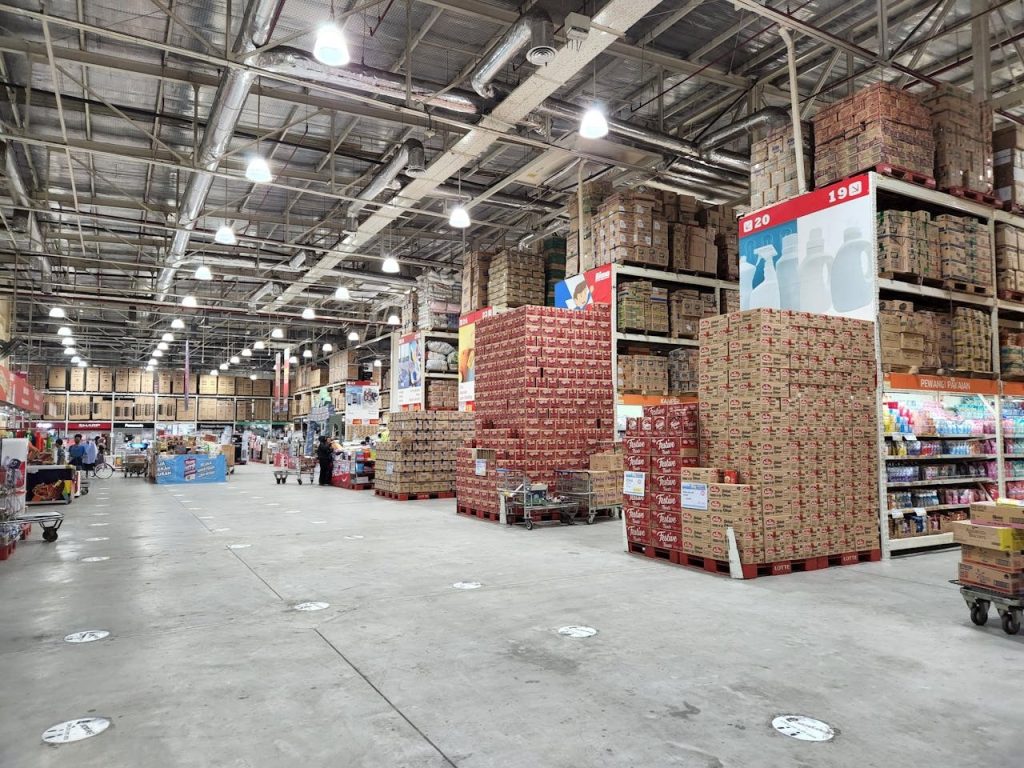
Rising demand for logistics and storage infrastructure
The UAE logistics sector has been expanding rapidly in recent years. According to industry estimates, the UAE logistics market in 2026 is experiencing high-octane growth, projected to expand by over USD 14 billion from 2025-2030 at an 8.2% CAGR.
The country’s logistics ecosystem benefits from several key advantages:
- World-class ports such as Jebel Ali
- Extensive free zone networks
- Advanced transportation infrastructure
- Strong connectivity to global trade routes
As a result, the UAE has become a preferred base for companies involved in:
- commodity trading
- import and export businesses
- regional distribution operations
- e-commerce and retail logistics
The limitations of traditional warehousing
Despite significant infrastructure development, traditional warehousing models often have limitations, particularly for small and medium-sized businesses.
Conventional warehouse leases typically require:
- Long-term contracts
- Large minimum storage commitments
- Fixed space allocations regardless of usage
For many businesses operating in fast-moving trade environments, such arrangements can reduce operational flexibility. Companies involved in import-export trade, for example, may experience fluctuating storage needs depending on shipment schedules, market demand, or seasonal trade cycles.
As a result, businesses increasingly seek warehousing solutions that offer greater flexibility and scalability.
The shift towards flexible warehousing
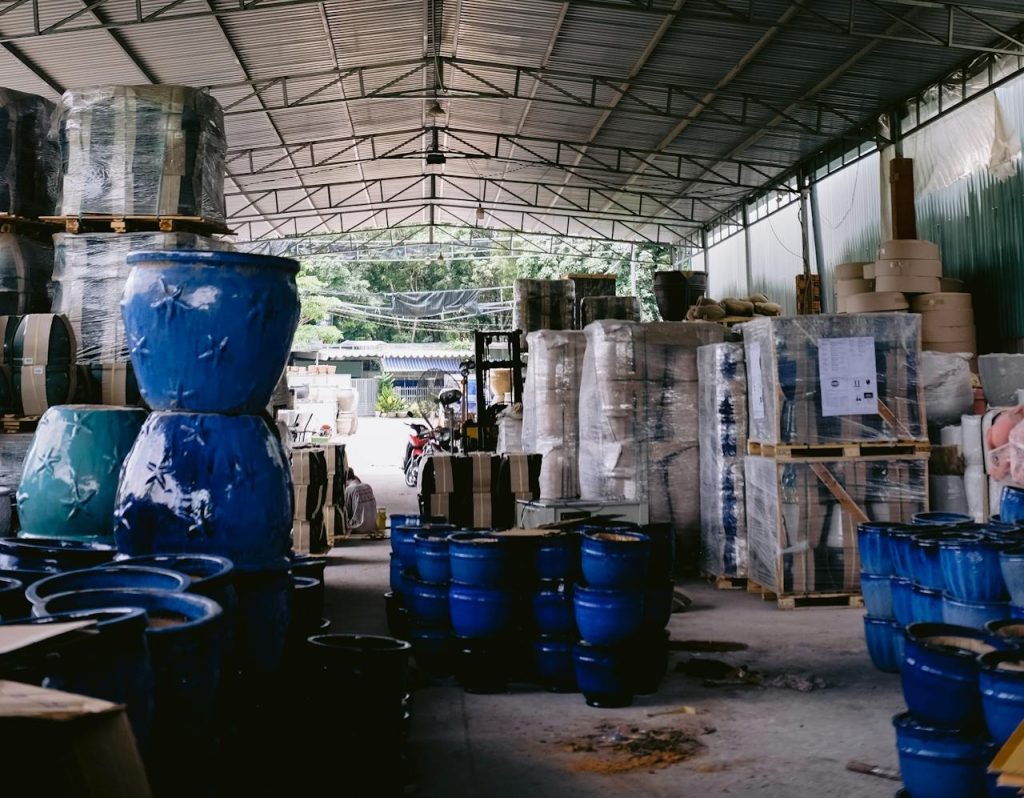
Flexible warehousing models are gaining traction globally, especially in logistics hubs like the UAE, where trade volumes and inventory requirements can change quickly.
Unlike traditional storage contracts, flexible warehousing solutions allow businesses to:
- Store goods for shorter durations
- Scale storage space based on demand
- Pay only for the space they actually use
- Respond quickly to changes in trade flows
This model is particularly useful for businesses such as:
- Commodity traders managing shipment cycles
- Importers handling temporary inventory surges
- Exporters await market opportunities
- E-commerce companies managing seasonal demand
The growing importance of on-demand storage
The rise of e-commerce, cross-border trade, and just-in-time supply chains has further accelerated demand for on-demand storage solutions.
Businesses today require warehousing infrastructure that supports:
- faster inventory turnover
- efficient distribution networks
- shorter supply chain cycles
- improved cost management
Flexible storage solutions allow companies to optimise logistics operations without committing to long-term infrastructure investments. This trend is particularly visible in global trade hubs like the UAE, where companies often use the country as a regional redistribution centre for goods moving across the Middle East, Africa, and South Asia.
stocyard’s role in flexible storage solutions
stocyard provides flexible warehousing solutions designed to support modern trade and logistics requirements in the UAE. The platform enables businesses to access storage infrastructure with greater flexibility compared to traditional warehousing models.
stocyard’s storage solutions are designed to support traders, importers, exporters, and logistics operators by offering:
- Flexible storage durations ranging from 1 to 365 days
- Low entry barriers with storage starting from as little as 50 CBM
- Efficient warehouse access for inventory management
- Scalable storage capacity based on operational requirements
By enabling businesses to store goods without long-term commitments, Stocyard helps companies manage inventory more efficiently while maintaining operational flexibility. This approach allows businesses to respond quickly to changing trade conditions, shipment cycles, and market opportunities.
The future of warehousing in global trade hubs
As global trade continues to evolve, the role of warehousing is also changing. Storage infrastructure is no longer simply a place to hold inventory. It has become an essential component of modern supply chains.
Future trends in warehousing are likely to include:
- Increased adoption of flexible storage models
- Integration of digital logistics platforms
- Greater focus on scalable infrastructure
- Continued expansion of trade-driven logistics hubs
For global trade centres like the UAE, these developments will play a crucial role in supporting economic growth and strengthening supply chain efficiency. Flexible warehousing solutions will therefore become increasingly important in enabling businesses to navigate the complexities of international trade while maintaining operational agility.
FAQs
- Why is warehousing important for businesses in the UAE?
Warehousing plays a critical role in the UAE’s trade-driven economy by enabling businesses to store, manage, and distribute goods efficiently. With the country serving as a major global logistics hub, reliable storage infrastructure helps companies streamline supply chains and manage inventory effectively. - What is flexible or on-demand warehousing?
Flexible warehousing allows businesses to rent storage space based on their operational needs rather than long-term fixed contracts. This model helps companies scale storage capacity up or down depending on seasonal demand, inventory levels, or trade activity. - How does flexible warehousing help businesses reduce logistics costs?
Flexible storage solutions allow businesses to pay only for the space and duration they need. This reduces overhead costs associated with maintaining dedicated warehouses and improves overall supply chain efficiency. - Why is the demand for warehousing growing in the UAE?
The UAE’s strategic location between Asia, Europe, and Africa has made it a key global trade and logistics hub. Growth in international trade, e-commerce, and regional distribution networks has significantly increased the demand for modern warehousing solutions. - What solutions does stocyard offer?
stocyard provides flexible warehousing solutions that connect businesses with available storage spaces across the UAE. The platform enables companies to access scalable, on-demand storage options that support efficient inventory management and logistics operations.