A shipment leaves one country. It’s financed by another. Stored in a third. And consumed somewhere else entirely. Welcome to the new world of global agricultural trade.
Trade has changed. Have systems kept up? Agricultural trade is no longer linear. It’s dynamic, multi-country, and time-sensitive.
But here’s the challenge: Infrastructure hasn’t always kept pace.
Fragmented systems often lead to:
- Delays in movement
- Lack of transparency
- Increased risk in transactions
And in global trade, time and trust are everything.
Why is the right infrastructure important
Globally, agriculture is becoming more interconnected. At the same time:
- Supply chain disruptions are increasing
- Trade routes are shifting
- Demand patterns are evolving rapidly
Efficient infrastructure – storage, finance, logistics – is strategic & crucial.
The need of integrated ecosystems
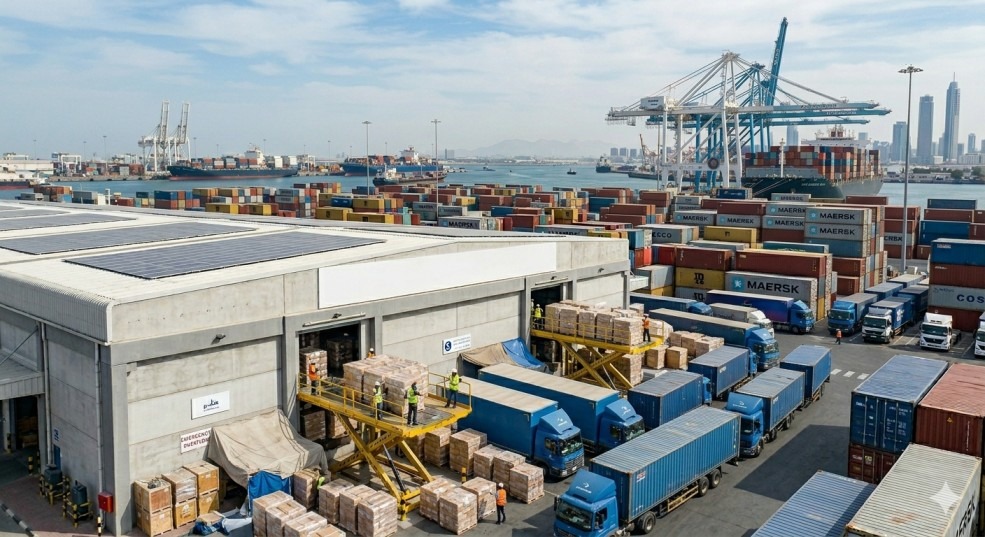
Modern agri trade is moving towards integration. This means combining:
- Storage infrastructure
- Trade finance
- Logistics networks
- Digital platforms
All into one seamless ecosystem. When these elements work together, transactions become faster, risks decrease, and margins improve.
The UAE as a global trade gateway
The Middle East, particularly the UAE, is emerging as a key hub in global agri trade.
Why?
Because of its:
- Strategic geographic location
- Advanced logistics infrastructure
- Strong trade connectivity
It acts as a bridge between Asia, Africa, and Europe, enabling efficient commodity flows.
The role of stocyard & technology
Technology is making global trade smarter. Digital platforms now enable:
- Real-time tracking of shipments
- Transparent trade documentation
- Faster deal execution
This reduces friction and builds trust across borders.
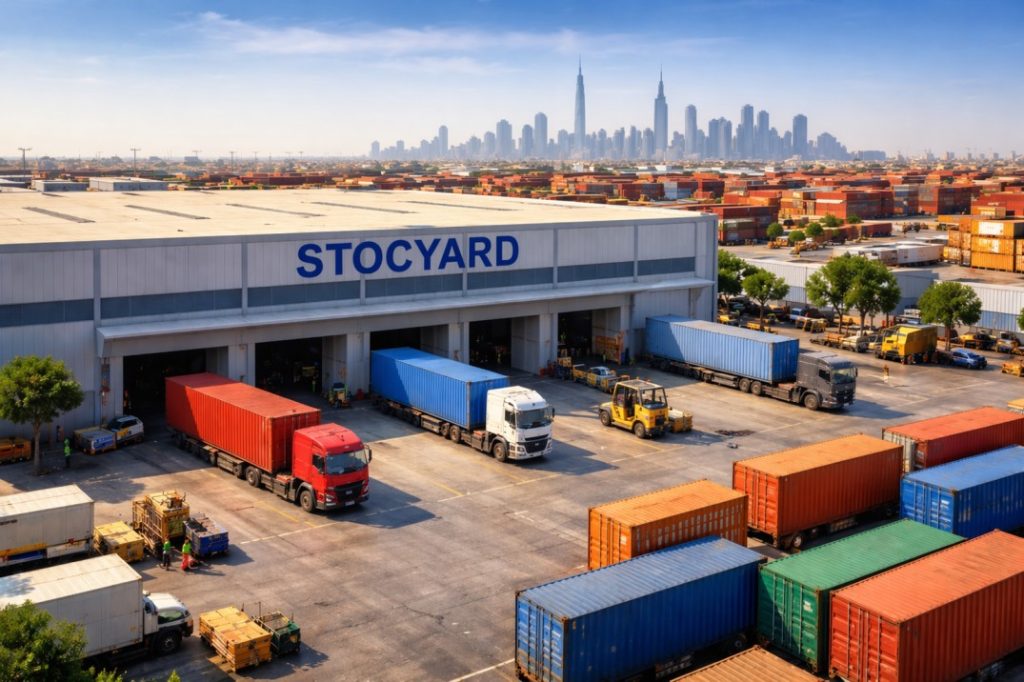
Also, stocyard plays a strategic role in enabling this new-age trade ecosystem. As an extension of StarAgri’s capabilities into global markets, stocyard focuses on:
- Integrated agri-infrastructure solutions
- Trade-linked financing support
- Facilitating cross-border commodity flows
- Supporting third-country trade models
By combining infrastructure with financial and operational capabilities, stocyard enables:
- Seamless trade execution
- Reduced transaction risks
- Greater efficiency in global commodity movement
The future scope
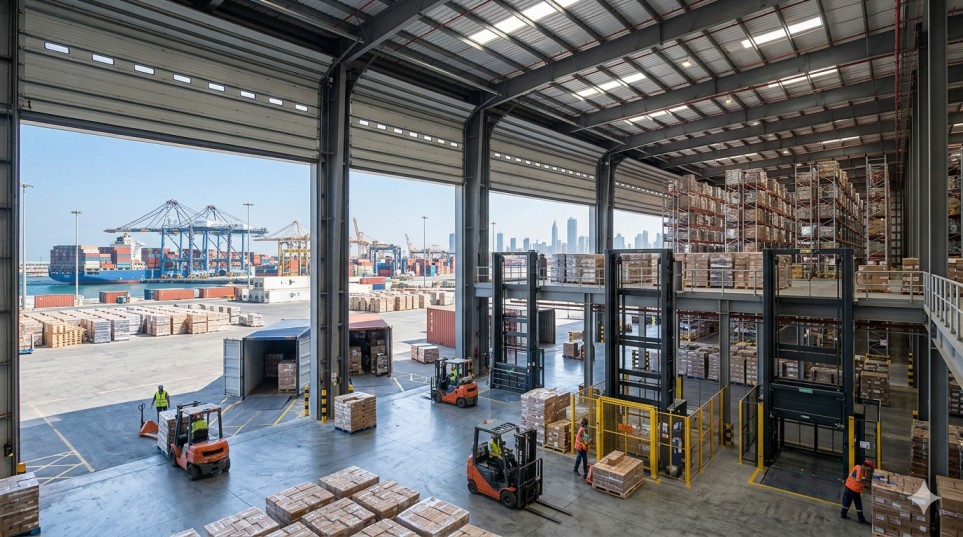
Agriculture has outgrown borders.
What matters now isn’t just how much is produced, but how efficiently it moves through the system. The real advantage lies in connecting markets, reducing friction, and responding faster to change.
In global trade, the journey is just as important as the harvest.
FAQs
- What is integrated agri-infrastructure in global trade?
It refers to a system where storage, logistics, trade finance, and digital platforms work together to enable the seamless movement of agricultural commodities across markets.
- Why is infrastructure important in global agricultural trade?
Efficient infrastructure ensures faster movement of goods, reduces losses, improves transparency, and minimises risks in cross-border transactions.
- What is third-country trade in agriculture?
Third-country trade involves buying commodities from one country and selling them to another without the goods entering the trader’s home country.
- How does the UAE play a role in global agri trade?
The UAE acts as a strategic hub due to its location, advanced ports, and strong trade connectivity, enabling efficient movement of commodities between continents.
- How does technology improve global commodity trading?
Technology enables real-time tracking, digital documentation, and faster communication, making trade more transparent, efficient, and reliable.