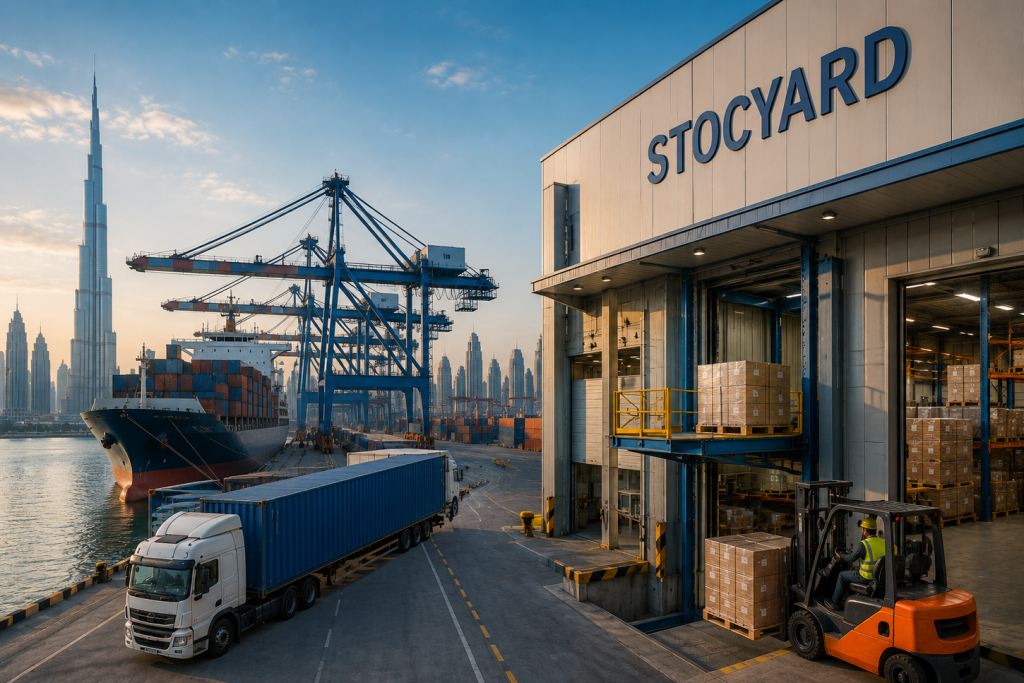
For a long time, securing large warehouse spaces through ownership or long-term leases was considered a smart business strategy in the UAE. Companies often committed to fixed storage capacity well in advance, even if parts of the facility remained unused during slower business periods.
But that approach is gradually evolving.
In 2026, many mid-sized businesses are starting to look at warehousing very differently. Instead of tying up capital in permanent infrastructure, they are increasingly exploring storage models that offer greater flexibility, scalability, and operational efficiency.
The shift is being driven by the changing pace of business itself. Supply chains today move faster, inventory requirements fluctuate more frequently, and demand patterns are far less predictable than they were a few years ago.
As a result, businesses are prioritising warehousing solutions that can adapt quickly to changing operational needs rather than locking themselves into long-term fixed commitments.
The UAE’s Logistics Economy Is Evolving Rapidly
The UAE has positioned itself as one of the world’s most important trade and logistics hubs. From e-commerce and FMCG to manufacturing and re-export businesses, companies across sectors rely heavily on efficient warehousing and supply chain infrastructure.
As trade volumes continue rising, warehousing demand has grown significantly across the region.
According to IMARC Group, the UAE logistics market continues to expand rapidly, with third-party logistics (3PL) services accounting for nearly half of the market share in 2025. At the same time, the UAE’s 3PL warehousing and contract logistics market is estimated to be valued at over USD 8.5 billion.
But while demand for warehousing is increasing, so are operational costs.
In Dubai, industrial and warehousing rents increased by over 10 % YoY during the first half of 2025, driven by strong demand from logistics, e-commerce, and manufacturing businesses.
For many mid-sized companies, this creates a difficult question: Does it still make sense to commit heavily to long-term warehouse investments?
Increasingly, the answer is no.
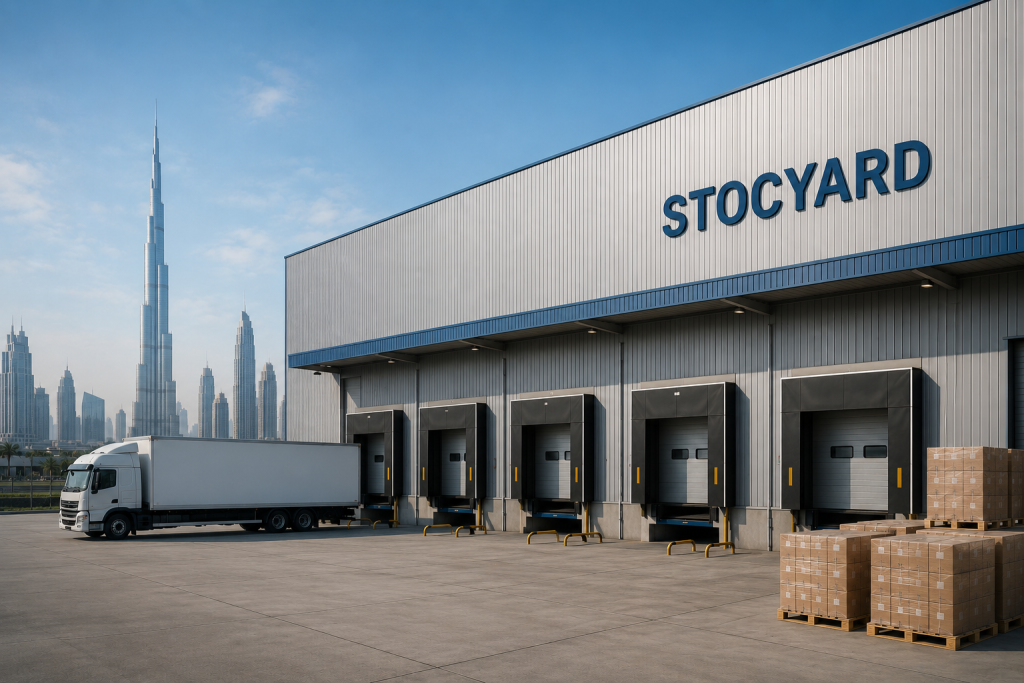
Businesses Want Flexibility More Than Fixed Capacity
One of the biggest changes happening in supply chain management is the growing preference for flexibility over ownership.
Businesses today operate in highly dynamic markets where:
- inventory volumes fluctuate,
- trade cycles change quickly,
- and customer demand can shift unexpectedly.
In this environment, fixed warehousing models often become inefficient.
A company may require additional storage during peak trading seasons but significantly less capacity during slower months. Locking into long-term leases can create unnecessary operational costs and idle infrastructure.
This is why flexible warehousing models are gaining momentum across the UAE. Instead of maintaining permanent large-scale facilities, businesses are increasingly looking for:
- pay-as-you-use warehousing,
- short-term storage options,
- scalable capacity,
- and multi-location inventory access.
The focus is shifting from ownership to agility.
Warehousing Is Becoming a Strategic Business Tool
Modern warehousing is no longer just about storing goods. It is now directly connected to:
- inventory optimisation,
- working capital efficiency,
- delivery timelines,
- and overall business responsiveness.
Companies are beginning to evaluate warehouse investments decisions not only from a storage perspective, but also from a financial and operational standpoint. For example, maintaining excess warehouse space ties up capital and increases fixed costs.
On the other hand, flexible storage models allow businesses to align costs more closely with actual operational requirements. This becomes especially valuable for:
- importers,
- exporters,
- distributors,
- e-commerce companies,
- and seasonal trading businesses.
The rise of cloud-based inventory systems and ERP integration is also making shared and flexible warehousing much easier to manage than before.
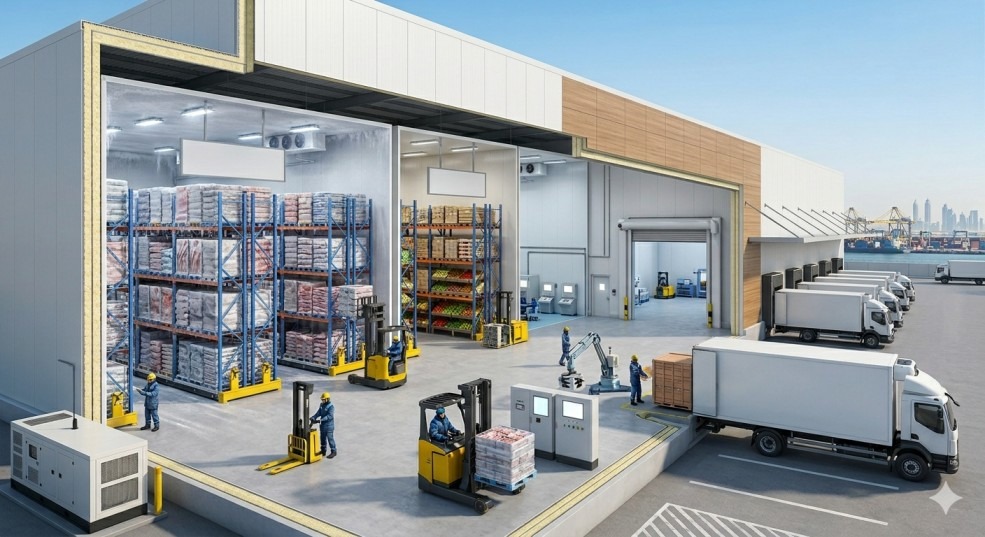
Technology Is Changing Warehouse Expectations
Another major shift is the growing expectation for real-time inventory visibility. Businesses today want faster access to:
- stock data,
- warehouse utilisation,
- movement tracking,
- and operational reporting.
Traditional warehousing models often struggle to provide this level of transparency and flexibility. As a result, companies are increasingly preferring warehousing partners that offer:
- digital inventory systems,
- ERP integration,
- cloud-based visibility,
- and operational scalability.
This is particularly important for mid-sized businesses that want enterprise-level infrastructure without making massive capital warehouse investments.
Why Flexible Warehousing Models Are Gaining Attention
The UAE’s supply chain ecosystem is becoming faster-moving and more interconnected every year. Businesses now prioritise speed, adaptability, and cost optimisation much more than before. This is creating strong demand for flexible warehousing platforms that allow companies to scale storage requirements based on actual business needs.
Companies like stocyard are operating within this evolving warehousing landscape by offering access to storage infrastructure across all seven Emirates. With a network of 100+ warehouses and 500+ clients, the platform focuses on flexible warehousing solutions ranging from short-term to long-duration storage requirements.
The larger industry shift here is important. Businesses are no longer looking at warehousing as static infrastructure. They are treating it as a dynamic operational service that should adapt alongside business growth.
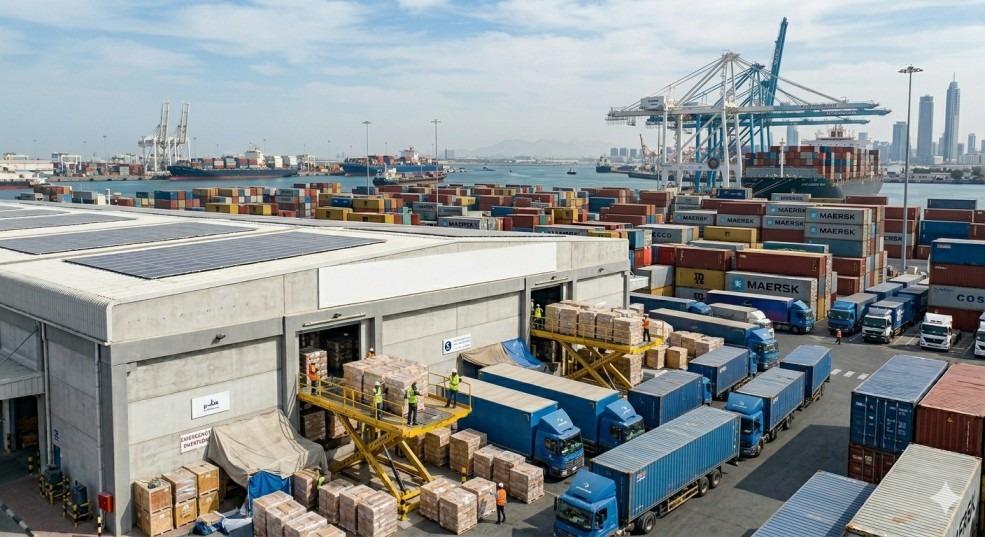
The Future of Warehousing May Be More Flexible Than Permanent
As logistics costs rise and supply chains become more unpredictable, flexibility is becoming one of the most valuable operational advantages for businesses in the UAE. Warehousing decisions today are no longer just about finding space. They are about:
- improving agility,
- optimising inventory movement,
- reducing fixed costs,
- and responding faster to market changes.
For many mid-sized businesses, flexible warehousing models now offer a smarter alternative to long-term infrastructure commitments. And as trade volumes, e-commerce activity, and regional distribution networks continue expanding across the UAE, this shift toward scalable and on-demand warehousing is likely to grow even stronger over the coming years.
In many ways, the future of warehousing may not belong to the companies with the biggest facilities but to the businesses with the most adaptable supply chains.
FAQs
- Why are UAE businesses moving toward flexible warehousing?
Businesses want scalable storage solutions that reduce fixed costs and adapt more easily to changing inventory requirements.
- What is flexible warehousing?
Flexible warehousing allows businesses to use storage space on short-term or variable-duration models instead of long-term fixed leases.
- Which industries benefit most from flexible warehousing?
E-commerce, FMCG, manufacturing, import-export, and seasonal trading businesses benefit significantly from flexible storage models.
- How is technology improving warehousing operations?
Cloud inventory systems, ERP integration, and real-time tracking are improving inventory visibility and operational efficiency. - Why are warehouse investments strategies changing in the UAE?
Rising warehousing costs, changing trade cycles, and growing demand variability are encouraging businesses to prioritise operational flexibility over ownership.