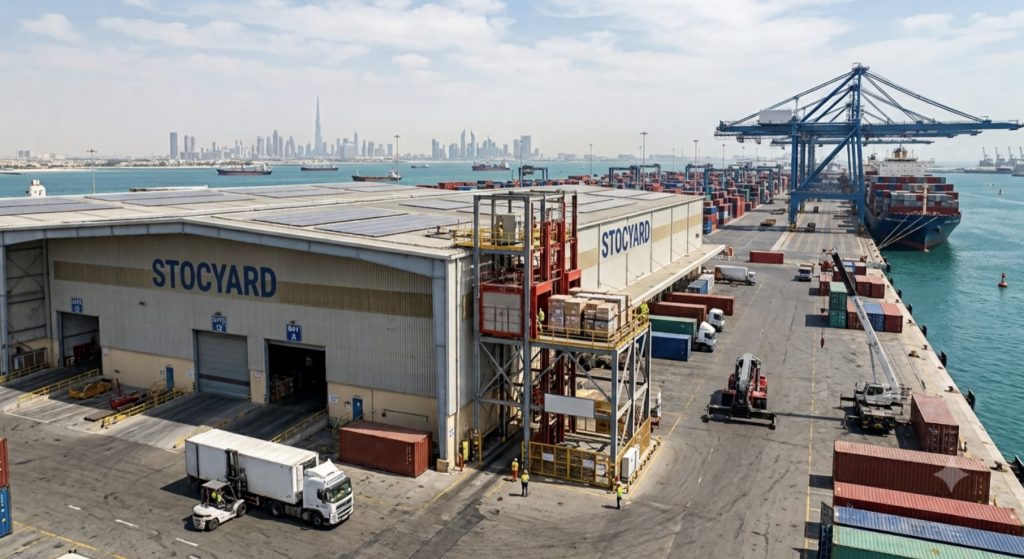
The UAE’s position as a regional trade and distribution hub creates opportunities for businesses across retail, manufacturing, food, e-commerce and industrial sectors. As companies expand into new markets, they need reliable storage, inventory handling and distribution capabilities. However, building and operating a private warehouse requires substantial investment in property, equipment, staffing and technology.
Third-party logistics (3PL) warehousing offers an alternative. Businesses can outsource storage and related logistics activities to a specialist provider instead of developing their own facilities. This model helps companies access warehouse infrastructure, manage changing inventory requirements and focus resources on their core operations.
For growing businesses, 3PL warehousing in UAE can provide the operational flexibility needed to scale while avoiding the cost and complexity of owning a dedicated warehouse.
UAE’s Growing Warehousing Demand
The UAE’s logistics sector continues to benefit from its trade connectivity, infrastructure investments and role in regional distribution. According to Cushman & Wakefield Core’s UAE Logistics & Industrial Market Update 2025-26, Grade A industrial and logistics facilities recorded average occupancy of approximately 95%. Warehouse rents increased by 18% in Dubai and 13% in Abu Dhabi over the preceding year, reflecting strong occupier demand and constrained availability in key locations.
The UAE continues to strengthen its position as a global trade and logistics hub. According to the Ministry of Energy and Infrastructure, the country’s logistics sector contributes approximately AED 136.7 billion to the national economy, with ambitions to exceed AED 200 billion over the next four years. In July 2026, the UAE Logistics Integration Council also reaffirmed its focus on digital transformation, supply-chain resilience and greater integration across transport, trade and logistics systems.
These developments highlight the growing importance of flexible warehousing and third-party logistics (3PL) services as businesses seek to manage inventory efficiently, respond to changing demand and expand without investing in their own warehouse infrastructure.
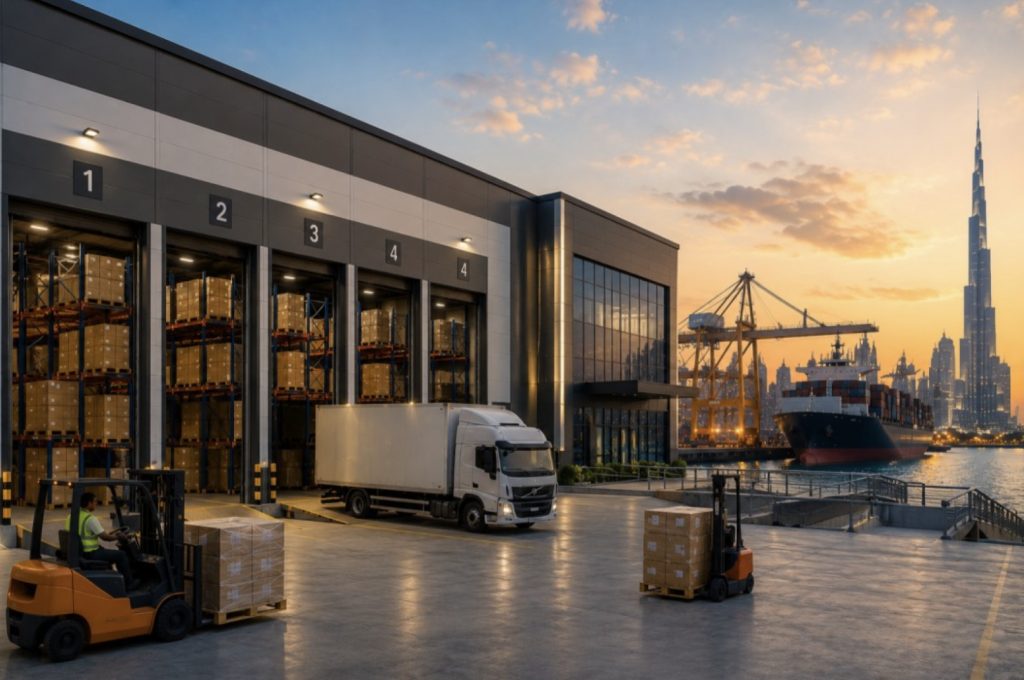
How 3PL Warehousing in UAE Helps Businesses Scale
- Reduces upfront investment
Building a warehouse requires spending on land or property, racking, material-handling equipment, security systems and operational technology. A 3PL provider allows businesses to access existing infrastructure without bearing the full cost of establishing a facility.
- Provides flexible storage capacity
Inventory requirements can change with seasonal sales, new product launches and market expansion. Outsourced warehousing allows businesses to select suitable storage capacity and services according to operational requirements, subject to the provider’s available space and contract terms.
- Supports faster market expansion
Businesses entering another emirate or serving regional customers may need storage closer to their target markets. A 3PL network can offer access to strategically located facilities without requiring the business to establish a new warehouse at every location.
- Improves inventory handling
Professional warehousing services can include receiving, put-away, stock tracking, order preparation and dispatch coordination. Clear procedures and inventory records help businesses improve visibility and reduce avoidable handling errors.
- Offers specialised storage options
Different products require different conditions. General cargo, industrial materials and temperature-sensitive goods may need separate facilities and handling procedures. A 3PL provider with varied storage options can help businesses choose facilities suited to their products.
Challenges Businesses Should Consider
Outsourcing warehousing does not remove every supply-chain risk. Businesses must evaluate the provider’s service coverage, security arrangements, stock-recording procedures and ability to meet agreed service levels.
Inventory visibility is another concern. Without reliable reporting and clear communication, businesses may struggle to coordinate replenishment, orders and deliveries. Companies should establish expectations for stock updates, reporting frequency and responsibility for discrepancies.
Storage costs also require careful assessment. Businesses should understand charges for receiving, handling, storage duration, special conditions and additional services. A 3PL arrangement should be evaluated against actual inventory patterns rather than storage rates alone.
Finally, warehousing is only one part of the logistics chain. Transport coordination, quality checks, insurance arrangements and financing may also influence overall efficiency. Businesses benefit from choosing a provider whose services align with their wider operational needs.
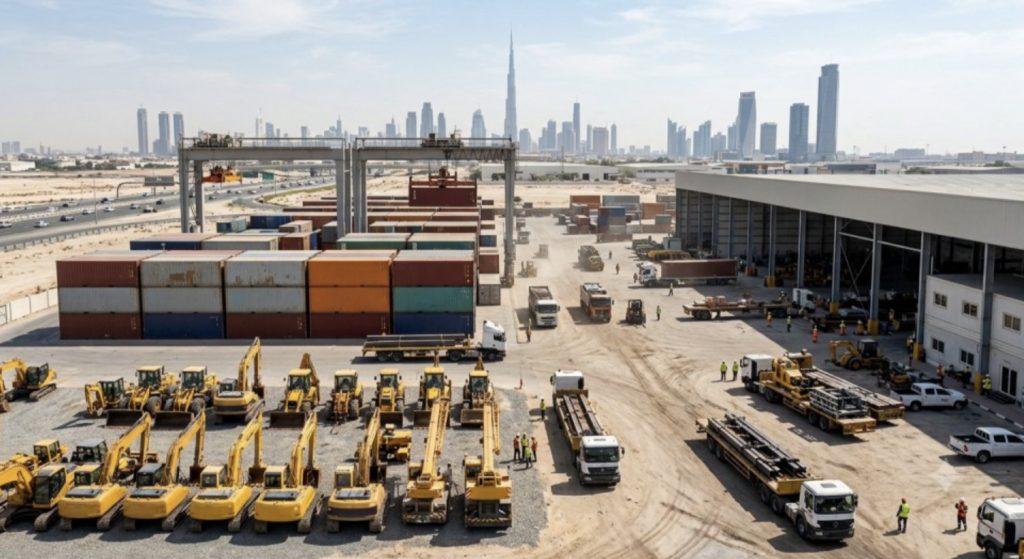
How stocyard Supports UAE Businesses
stocyard, powered by StarAgri, provides warehousing and associated logistics solutions across all seven UAE emirates. Its network of 100+ warehouses and services is designed to support businesses with different storage and operational requirements.
- Smart warehousing: stocyard offers storage options for general cargo, industrial goods, open-yard requirements and temperature-sensitive products. This gives businesses flexibility to select facilities suited to their inventory rather than investing in a dedicated warehouse.
- Logistics and 3PL services: Outsourced logistics support can help businesses coordinate storage and related supply-chain activities. Access to warehousing and logistics services can reduce the need to manage every operational function independently.
- Inventory finance: Eligible businesses can explore inventory-backed financing solutions, subject to assessment and applicable terms. This can be relevant for companies that need working capital while maintaining inventory for future sales.
- Quality testing and insurance: These services can support inventory oversight and risk management, depending on the goods and coverage required. Businesses should confirm the specific testing scope and insurance terms before engagement.
By combining warehousing with logistics and related services, stocyard can help companies manage storage requirements without building and operating their own facilities. Businesses should discuss their inventory profile, handling needs, locations and service-level expectations to identify a suitable arrangement.
Scale Operations with Flexible Warehousing
3PL warehousing in UAE offers businesses a practical way to access storage infrastructure, manage fluctuating inventory and expand into new markets without committing to a privately operated warehouse.
With its network across all seven emirates, stocyard provides warehousing, logistics and 3PL, inventory finance, quality testing and insurance services. For businesses seeking greater flexibility, the right outsourcing partner can help simplify operations and support growth while allowing management to focus on customers, products and market opportunities.
FAQs
- What is 3PL warehousing?
Third-party logistics warehousing involves outsourcing storage and related inventory-handling activities to a specialist logistics provider.
- Why should businesses use 3PL warehousing in UAE instead of building their own warehouse?
It can reduce upfront infrastructure investment, provide flexible storage capacity and help businesses expand without independently managing every warehouse operation.
- Which businesses can benefit from 3PL warehousing in UAE?
Retailers, e-commerce businesses, manufacturers, distributors, importers and other companies with storage and inventory-handling requirements can benefit.
- What warehousing services does stocyard provide?
stocyard offers smart warehousing, logistics and 3PL, inventory finance, quality testing and insurance, with storage options for general cargo, industrial goods, open yards and temperature-sensitive products.
- Does stocyard operate across the UAE?
Yes. stocyard’s warehousing network covers all seven UAE emirates, helping businesses explore storage options across the country.