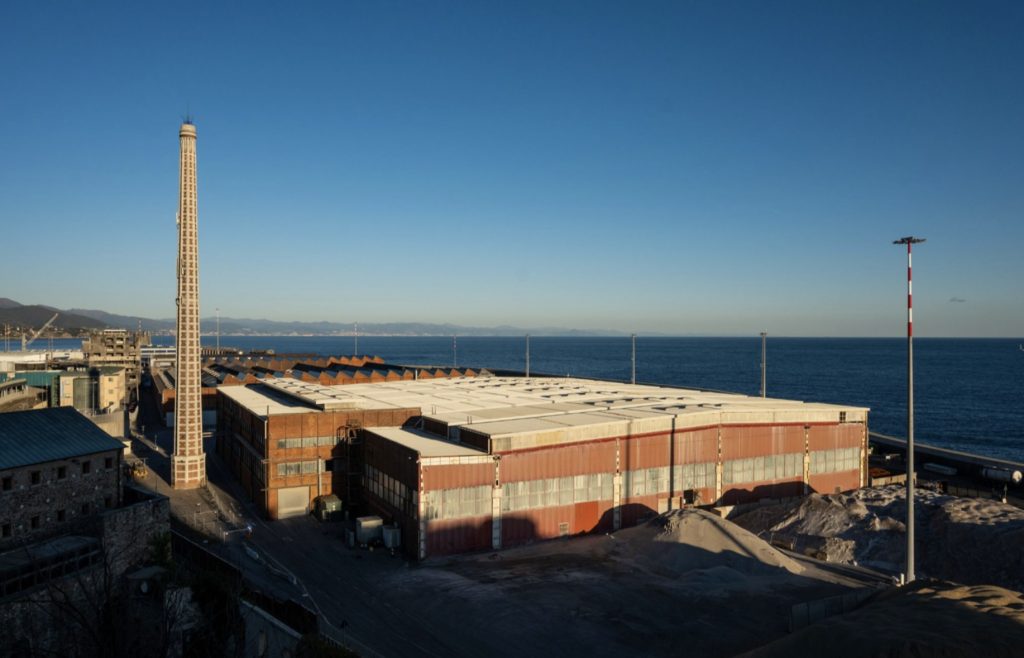
For businesses operating across the UAE and international markets, warehousing is much more than a place to keep goods. The right facility can influence delivery timelines, inventory availability, transportation costs, and the ability to respond to changing customer demand.
Dubai’s position as a major trade and logistics hub makes warehouse selection especially important for importers, distributors, manufacturers and regional businesses. Choosing the right warehouse in Dubai can help organisations move goods more efficiently, maintain better inventory control and coordinate distribution across the UAE and neighbouring markets.
The key is to match the warehouse’s location, infrastructure and services with the actual needs of the supply chain.
Dubai benefits from an established network of ports, airports, roads, free zones and logistics service providers. These connections support the movement of goods between regional markets and international trading partners.
Five ways the right warehouse in Dubai improves efficiency
- Reducing transportation time and cost
Warehouse location affects the distance goods must travel between ports, suppliers, customers and distribution points.
A facility located strategically in relation to a business’s main transport routes can reduce unnecessary journeys, improve vehicle utilisation and make deliveries easier to coordinate. For importers, proximity to relevant port or freight infrastructure may simplify inbound cargo movement. For distributors, access to major roads and customer clusters can support more efficient outbound deliveries.
Businesses should evaluate the complete transport journey rather than choosing a warehouse based on rent alone. A lower rental cost may not deliver overall savings if it results in longer journeys, additional handling or frequent delays.
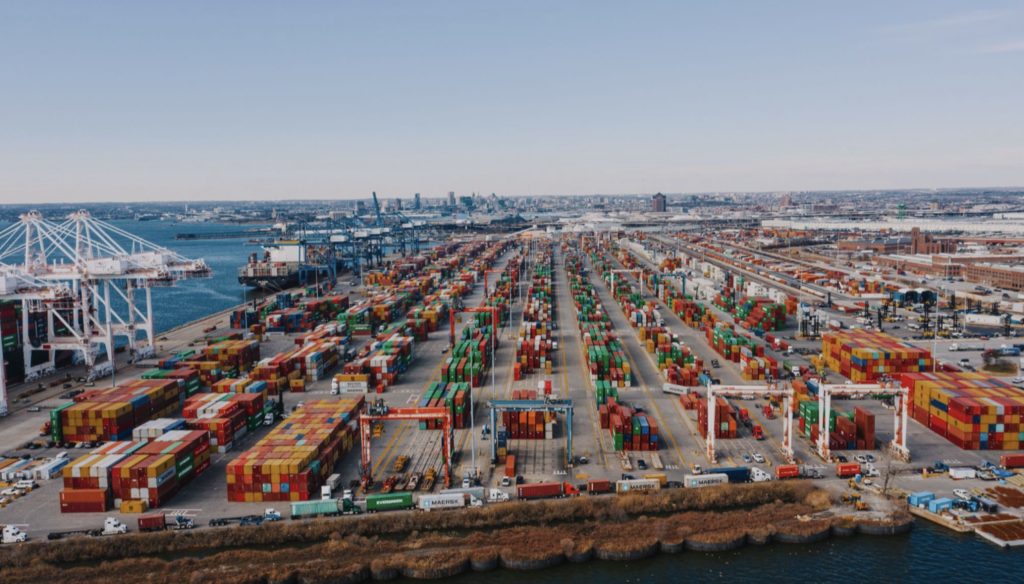
- Improving inventory visibility
Inventory that cannot be located quickly can slow order fulfilment and create avoidable costs.
A well-managed warehouse uses clear stock identification, organised storage locations, accurate receiving records and systematic dispatch procedures. Digital warehouse management systems can strengthen this process by tracking stock movements and helping businesses understand available inventory.
Better visibility allows purchasing teams to make more informed replenishment decisions, reduce discrepancies and identify slow-moving goods. It also helps customer-facing teams provide more reliable information about product availability.
- Matching storage to the type of goods
Different products have different handling and storage requirements. Industrial materials may require open-yard storage, while general merchandise may need covered space. Temperature-sensitive goods may require controlled environments, and high-value inventory may need enhanced security.
Selecting a facility suited to the cargo helps reduce the risk of damage, contamination and handling inefficiencies. It also ensures that businesses pay for the type of storage they actually require.
Before signing a warehousing agreement, companies should review the facility’s capacity, loading arrangements, handling equipment, security measures, environmental controls and procedures for managing damaged or non-conforming goods.
- Managing changing demand and seasonal inventory
Demand can fluctuate due to sales cycles, promotions, seasonal activity and changes in sourcing patterns. Businesses that commit to unsuitable storage capacity may face congestion during peak periods or pay for unused space during quieter months.
A warehouse partner with flexible storage options can help businesses adjust capacity as requirements change. This is particularly useful for importers, distributors and companies managing multiple product categories. Inventory planning should also account for how quickly stock moves. Regular monitoring of inventory turnover, ageing and dispatch frequency helps businesses avoid unnecessary accumulation and use available warehouse space more effectively.
- Integrating warehousing with logistics services
Storage is only one stage in the movement of goods. Inbound handling, inventory checks, order preparation, transport coordination and outbound dispatch all influence overall supply chain performance.
Combining warehousing with third-party logistics (3PL) services can reduce the number of handovers between service providers. Depending on the arrangement, integrated services may include cargo handling, distribution, inventory management, quality checks and coordination with transport partners.
Dubai’s multimodal logistics infrastructure supports these connections. stocyard highlights its sea, air and land connectivity, along with storage and value-added logistics services.
For businesses, the benefit of an integrated model is better coordination across multiple stages, rather than treating every activity as a separate operation.
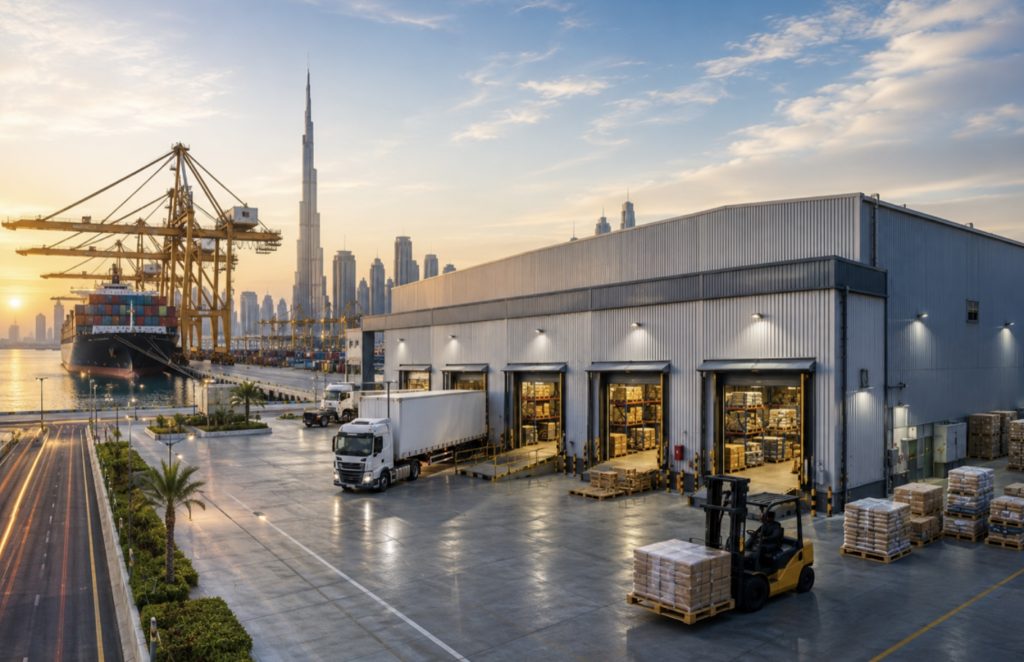
What should businesses consider before selecting a warehouse?
A warehouse decision should begin with a clear understanding of operational requirements. Businesses should assess:
- Location and connectivity: Distance from suppliers, customers, ports and key delivery routes.
- Storage suitability: Whether the facility can accommodate the cargo type, dimensions and environmental requirements.
- Capacity and flexibility: Available space, peak-season requirements and the ability to scale.
- Operational capabilities: Receiving, handling, picking, packing, dispatch and inventory reporting.
- Cost transparency: Rental, handling, movement, value-added service and other applicable charges.
- Reliability and security: Stock controls, access management, insurance arrangements and incident procedures.
The best warehouse is not necessarily the largest or the closest. It is the facility that supports the required service level at a sustainable total cost.
How stocyard supports warehousing and distribution in the UAE
stocyard, powered by StarAgri, provides warehousing and supply chain services across all 7 Emirates of the UAE. Its network includes more than 100 warehouses and supports different storage requirements, including general cargo, industrial goods, open-yard storage and temperature-controlled facilities.
Its services span smart warehousing, logistics and third-party logistics (3PL), inventory finance, quality testing and insurance.
By bringing storage and related supply chain services together, stocyard helps businesses explore solutions suited to their cargo, inventory and distribution requirements. Its UAE-wide presence also gives businesses options beyond relying on a single facility or location.
Conclusion
Choosing the right warehouse in Dubai can improve efficiency by reducing unnecessary movement, strengthening inventory visibility, matching storage conditions to cargo and coordinating logistics more effectively.
As trade networks grow more connected, businesses need warehousing partners that understand both storage requirements and the wider movement of goods. A well-matched facility, supported by reliable operations and integrated logistics services, can help improve fulfilment, manage costs and build a more responsive supply chain.
FAQs
- Why is Dubai an important warehousing location?
Dubai offers established maritime, air and road connectivity, making it a useful location for businesses distributing goods across the UAE and serving regional or international markets.
- How can the right warehouse reduce supply chain costs?
A strategically located and efficiently managed warehouse can reduce unnecessary transportation, handling, inventory discrepancies and delays.
- What types of warehouses are available in Dubai?
Options include general cargo warehouses, industrial storage facilities, open yards, covered warehouses and temperature-controlled facilities, depending on the provider and location.
- What is the difference between warehousing and 3PL?
Warehousing primarily concerns storage and inventory management. Third-party logistics can include warehousing alongside handling, order fulfilment, transportation coordination and other supply chain services.
- How does stocyard support businesses in Dubai and the UAE?
stocyard offers warehousing, logistics and 3PL, inventory finance, quality testing and insurance services across the UAE, with options for different cargo and storage requirements.