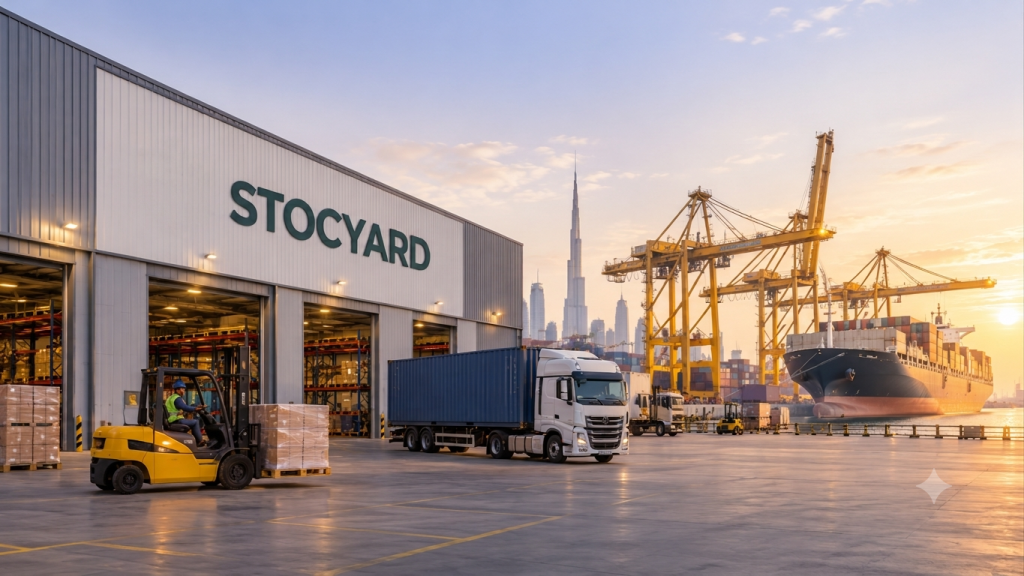
For businesses operating in the UAE, choosing a warehouse is not just about finding enough space. It is also about finding the right rental arrangement for their inventory, business cycles and operational requirements. A company managing seasonal stock may need storage for a few weeks or months, while an importer or distributor with consistent inventory may require a long-term arrangement.
Both options have their advantages. Short-term warehouse rentals offer flexibility, while long-term arrangements can provide greater cost predictability. But which one actually saves more money? The answer depends on how a business uses its storage space, how frequently its requirements change and what additional costs come with the rental.
UAE’s growing trade network is increasing storage requirements
The UAE’s position as a global trade and distribution hub continues to strengthen. According to the Emirates News Agency (WAM), the country’s non-oil foreign trade reached AED 1.937 trillion in the first half of 2026, registering 13.1% year-on-year growth. Non-oil exports also reached a record AED 452.8 billion during the period.
The country’s logistics infrastructure is expanding alongside trade. A WAM report on the UAE’s logistics network highlighted the growing integration of ports, railways, airports and logistics zones. Etihad Rail, for instance, transported approximately 129,000 containers during 2026 across its network, connecting key industrial hubs and ports.
As goods move through increasingly connected supply chains, businesses need storage solutions that can keep pace with changing inventory volumes and distribution requirements. Choosing the right warehouse rental model is therefore an important part of managing operational costs.
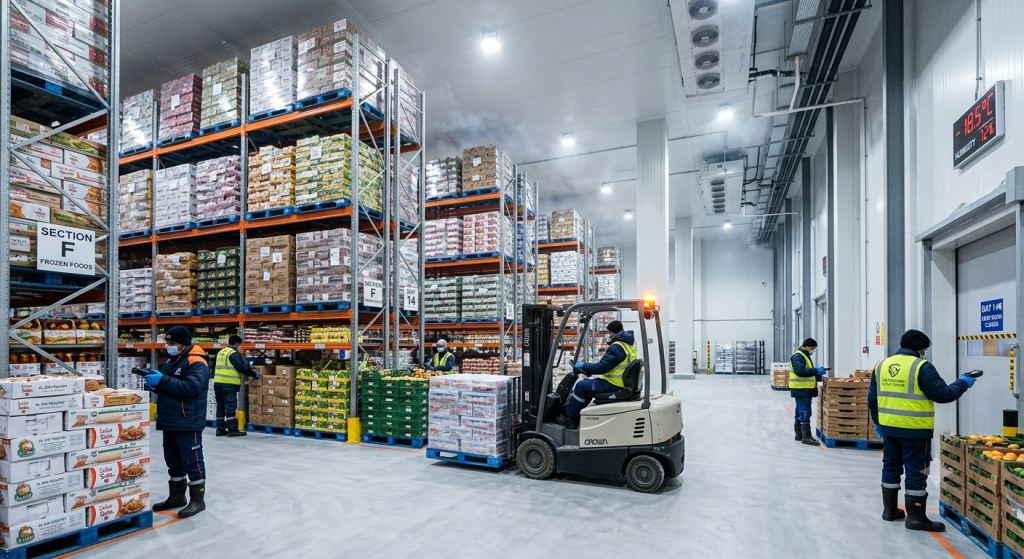
Short-term warehouse rental: Flexibility without a long commitment
Short-term warehouse rental is suitable for businesses that need storage for a limited period or have inventory requirements that fluctuate throughout the year. It allows companies to access space without committing to a lengthy rental agreement. When does it make sense?
- Seasonal inventory: Businesses dealing with festive demand, seasonal products or agricultural commodities can arrange storage around their sales cycles.
- Temporary stock requirements: Importers and distributors can accommodate incoming consignments while arranging onward movement or sales.
- Market expansion: Companies entering a new UAE market can test demand before committing to permanent infrastructure.
- Project-based storage: Businesses managing specific contracts or temporary operations can access storage for the required duration.
The biggest advantage is flexibility. Businesses can adjust their storage arrangements as their requirements change rather than paying for space they may not consistently use.
However, short-term rentals may involve higher effective rates or additional charges depending on the facility, location, services and agreement. Availability can also become a concern during periods of high demand.
Long-Term Warehouse Rental: Predictability for Consistent Operations
Long-term warehouse rental is generally more suitable for businesses with stable inventory levels and regular storage requirements. A longer commitment can help businesses plan their operations and negotiate rental terms that suit their expected usage. When is it a better choice?
- Consistent inventory: Manufacturers, wholesalers and distributors that maintain regular stock levels may benefit from dedicated storage.
- Established distribution networks: Businesses with predictable supply and delivery schedules can plan warehouse utilisation more efficiently.
- Operational continuity: Having a regular storage location can simplify inventory tracking, dispatch planning and stock management.
- Long-term business planning: A fixed arrangement can make it easier to forecast recurring storage expenses.
The main consideration is the commitment involved. If business volumes decline or inventory requirements change, companies may end up paying for unused space. Deposits, maintenance responsibilities, utilities and early termination conditions should also be reviewed before signing an agreement.

Short-Term vs Long-Term: What Should Businesses Compare?
The right choice is not determined by rental duration alone. Businesses should compare the total cost of occupying a warehouse rather than looking only at the quoted rental price.
| Cost factor | Short-term rental | Long-term rental |
| Commitment | Lower commitment | Longer contractual commitment |
| Flexibility | Easier to adjust storage duration | Less flexible, depending on terms |
| Cost planning | Suitable for temporary requirements | Greater predictability for regular needs |
| Space utilisation | Useful for fluctuating inventory | Works well with consistent stock |
| Additional charges | May vary with duration and services | May include recurring operating expenses |
Before finalising a warehouse, businesses should account for rental charges, security deposits, utilities, loading and unloading, handling, insurance, maintenance and any additional service fees.
A simple way to evaluate the actual expense is:
Total warehouse cost = Rental charges + Handling costs + Utilities + Insurance + Other applicable charges
Businesses should also assess how much of the rented space they expect to use. Paying for unused capacity can reduce the financial advantage of an otherwise attractive rental agreement.
How stocyard Makes Warehouse Access More Flexible
Finding a warehouse that matches a business’s requirements is only one part of the decision. Businesses also need dependable infrastructure, visibility over their inventory and services that support day-to-day operations.
stocyard, powered by StarAgri, offers technology-enabled warehousing solutions across the UAE. Its network covers all seven Emirates, with 100+ warehouse facilities and 25,000+ CBM under management.
Through its flexible warehousing solutions, businesses can explore storage options based on their space and duration requirements. Its service ecosystem also includes smart warehousing, inventory finance, logistics and 3PL, quality testing and insurance.
Whether a company requires temporary storage for incoming inventory or a more consistent arrangement for ongoing operations, the focus should be on finding a solution that balances cost, accessibility and service requirements.

Making the Right Warehouse Rental Decision
Short-term and long-term warehouse rentals serve different business needs. Short-term arrangements can help manage changing inventory requirements, while long-term rentals may be more suitable for businesses with predictable storage demand.
The most economical option is the one that aligns with actual space utilisation, business cycles and the total cost of storage. By evaluating these factors before committing, businesses can avoid unnecessary expenses and make better use of their warehousing budgets. In a fast-moving trade environment like the UAE, having access to flexible, well-managed storage infrastructure can make inventory planning considerably easier.
FAQs
- Is short-term warehouse rental cheaper than long-term rental in the UAE?
Not necessarily. Short-term rentals offer flexibility and reduce the need for long commitments, but their effective rates may be higher. Long-term rentals can offer better cost predictability when storage requirements remain consistent.
- When should a business choose short-term warehouse rental?
It is useful for seasonal inventory, temporary stock requirements, project-based storage, market expansion and businesses with fluctuating storage needs.
- What additional costs should businesses consider when renting a warehouse?
Apart from rent, businesses should check security deposits, utilities, handling and loading charges, insurance, maintenance and other service fees.
- Can businesses find flexible warehouse storage across the UAE?
Yes. Businesses can explore warehouse facilities across different Emirates depending on their location, inventory type, storage requirements and preferred rental terms. stocyard offers warehousing solutions across all seven Emirates. - What services does stocyard offer beyond warehouse rental?
stocyard offers smart warehousing, inventory finance, logistics and 3PL, quality testing and insurance, supporting businesses with a broader range of storage and inventory management requirements.