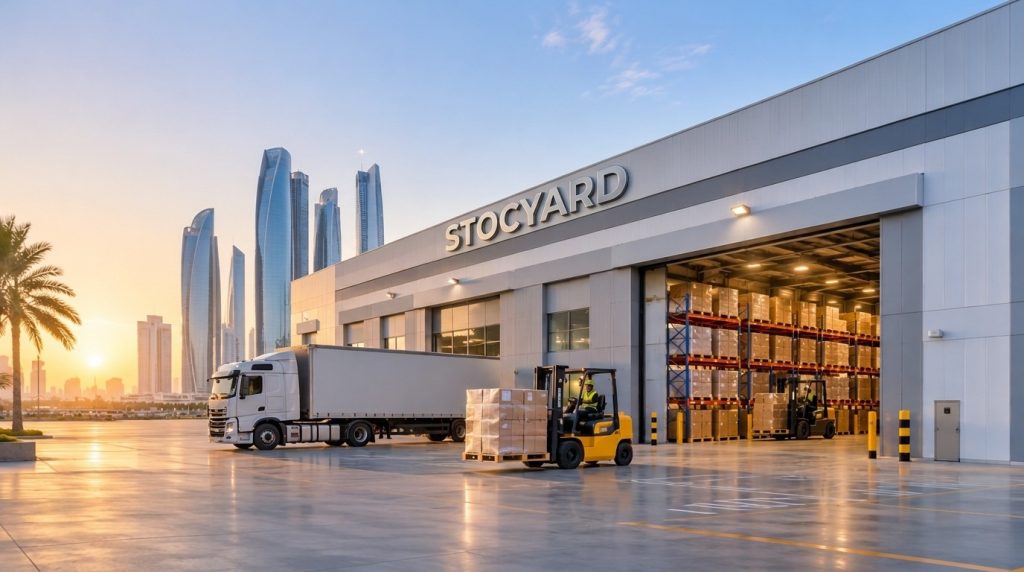
What makes a warehouse truly modern? Is it the amount of space it offers, the speed at which goods move through it, or how efficiently it manages inventory? Not really!
It is how well infrastructure and technology work together.
Abu Dhabi’s position as an industrial hub changes the way businesses approach storage. Warehouses are no longer viewed as spaces where goods are simply kept until dispatch. They are tech-enabled & offer facilities that support inventory visibility, quality preservation, operational efficiency and smoother supply chain movement.
Since businesses handle larger volumes of goods and increasingly complex distribution requirements, warehouse storage in Abu Dhabi is evolving through a combination of modern infrastructure, digital systems and smarter operational practices.
Why is demand for modern warehouse storage growing in Abu Dhabi?
Abu Dhabi’s expanding trade and industrial activity is creating new requirements for storage and inventory management. According to Abu Dhabi Customs, the emirate’s non-oil foreign trade grew by 36% in 2025, exceeding AED 415.4 billion, compared with approximately AED 306 billion in 2024. Non-oil exports increased by 63% to AED 175.4 billion, while imports reached AED 170.4 billion.
The latest available 2026 data from the Statistics Centre – Abu Dhabi (SCAD) also recorded approximately AED 34 billion in non-oil foreign trade through the emirate’s ports in August 2026. Abu Dhabi’s industrial ambitions add another dimension to this requirement. Under the Abu Dhabi Industrial Strategy, the government has committed AED 10 billion towards strengthening the industrial ecosystem, with a target of growing the manufacturing sector to AED 172 billion by 2031.
As manufacturing, imports, exports and distribution activities expand, businesses need storage facilities that offer more than available floor space. They need reliability, flexibility and better control over their inventory.
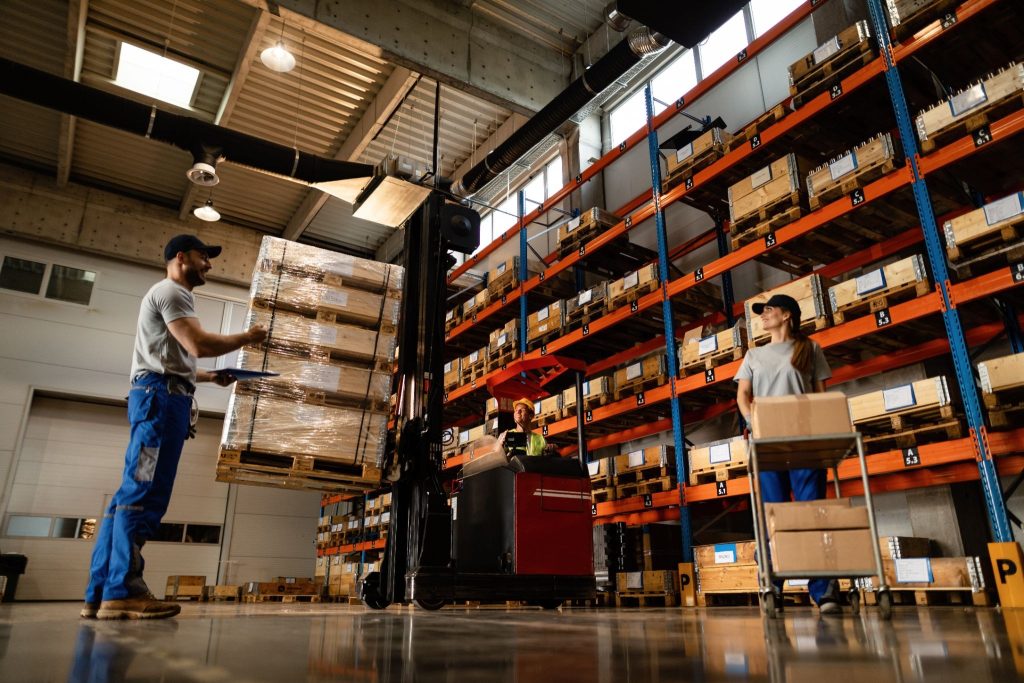
- Modern warehouse infrastructure: Beyond basic storage
Modern storage facilities are being developed to accommodate different cargo requirements, improve material handling and make better use of available space. Some important infrastructure considerations include:
- Flexible storage configurations: Different businesses handle different types of goods. General cargo, industrial materials, bulk commodities and temperature-sensitive products may require distinct storage environments. Facilities with adaptable configurations can cater to a wider range of requirements.
- Optimised layouts: Clearly defined storage zones, organised aisles, suitable loading areas and efficient handling arrangements help reduce unnecessary movement within a warehouse.
- Climate and environmental controls: Temperature, humidity, ventilation and protection from external conditions are important for maintaining inventory quality, particularly in demanding climates.
- Safety and security systems: Access controls, surveillance, fire protection and structured handling procedures help protect stored goods and maintain operational continuity. The focus is shifting towards creating facilities that can accommodate changing inventory requirements without compromising safety or efficiency.
- Smart technology is making warehouse operations more efficient
Physical infrastructure provides the foundation, but technology determines how effectively a warehouse operates. One of the biggest changes is the growing adoption of digital warehouse management systems (WMS). These systems help businesses monitor inventory, track stock movement, manage storage locations and coordinate warehouse activities through a centralised platform. Several technologies are contributing to this transformation.
- IoT-enabled sensors: These can monitor temperature, humidity and other environmental conditions, helping warehouse operators identify deviations and respond promptly.
- Barcode and RFID systems: Digital identification makes it easier to record incoming goods, track their movement and verify inventory during dispatch.
- Automated inventory management: Software-based systems help update stock records, reduce manual errors and improve inventory visibility.
- AI-powered analytics: Predictive tools can analyse historical inventory patterns, support demand planning and help optimise warehouse space allocation.
- Digital monitoring systems: Integrated dashboards provide a clearer view of warehouse operations, helping businesses identify bottlenecks and improve resource utilisation.
The objective is not simply to automate every activity. It is to make warehouse operations more predictable, transparent and easier to manage.
- Specialised storage is becoming increasingly important
Not all goods can be stored in the same environment. Different commodities and cargo categories have different handling, stacking, ventilation, security and preservation requirements.
General cargo facilities cater to goods that require organised indoor or outdoor storage. Industrial storage spaces accommodate equipment, machinery and materials with specific handling requirements. Cold storage facilities maintain controlled temperatures for products that are sensitive to heat.
Such flexibility becomes particularly relevant in Abu Dhabi, where summer temperatures can be demanding. SCAD recorded an average temperature of 38.18°C in August 2026, underlining the importance of appropriate environmental controls for temperature-sensitive inventory. Choosing the right storage environment can help businesses protect product quality, reduce avoidable losses and maintain inventory in suitable conditions.
- Better connectivity is strengthening the storage ecosystem
Abu Dhabi’s geographical position and established transport infrastructure support its role in regional and international trade. The Department of Economic Development highlights the emirate’s connectivity across Europe, Africa and Asia, with approximately 4.5 billion people within a four-hour flight. In 2025, SCAD recorded approximately 45,260 ships at Abu Dhabi’s ports and 16.41 million arrivals at Zayed International Airport.
For businesses, this connectivity makes efficient warehouse coordination especially important. Integrating storage with transportation, inventory management and third-party logistics can help reduce operational delays and improve the movement of goods across supply chains.
- Sustainability and operational resilience are shaping future warehouses
Modern warehouses must also consider how efficiently they use energy, space and resources. Energy-efficient lighting, improved insulation, smart cooling systems and renewable energy integration can help reduce operational consumption. Digital monitoring can also identify inefficient equipment usage and highlight opportunities to optimise warehouse operations.
Abu Dhabi’s Industrial Strategy places sustainability and circular economy practices alongside Industry 4.0 adoption, reinforcing the importance of combining industrial growth with responsible resource management. For warehouse operators, this means planning facilities that are not only efficient today but also better prepared for changing business and environmental requirements.
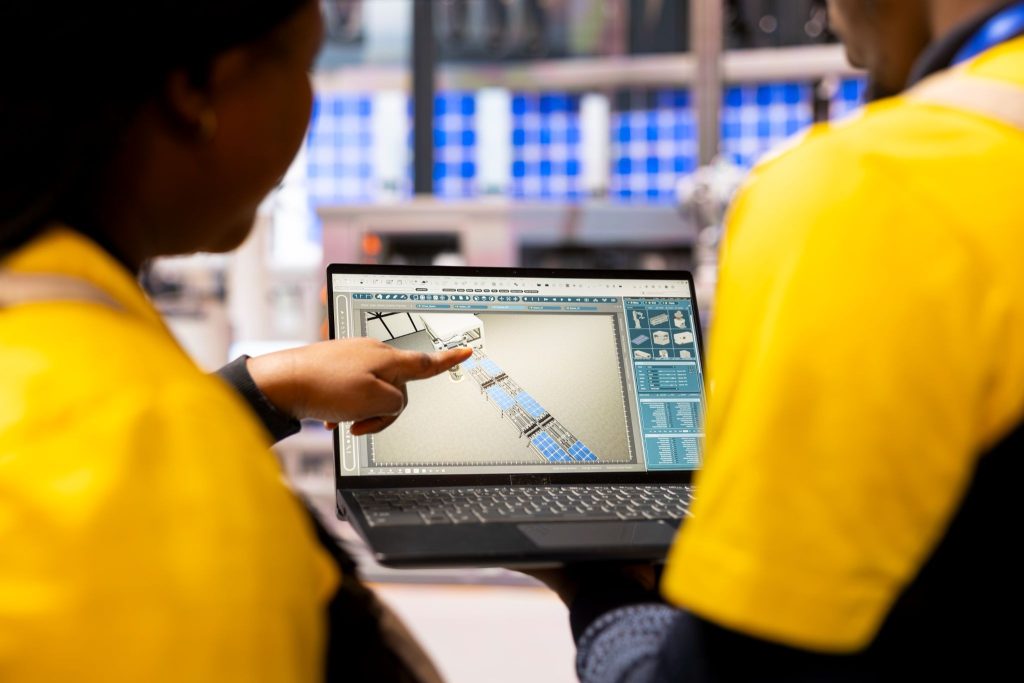
The future of warehouse storage in Abu Dhabi
The next phase of warehousing will be defined by how effectively physical infrastructure, digital technology and supply chain services come together. Businesses will increasingly look for storage partners that offer more than space. They will need inventory visibility, flexible storage arrangements, quality protection and coordinated logistics support.
stocyard, a UAE-based warehousing and supply chain solutions provider, brings together services across smart warehousing, inventory finance, logistics and third-party logistics, quality testing and insurance services. With storage solutions catering to general cargo, industrial goods, open-yard requirements and cold storage, stocyard supports businesses with diverse inventory and handling needs.
Ultimately, modern warehousing is about making every part of the storage process work better. From the moment goods enter a facility to the time they are dispatched, better infrastructure and smarter technology can improve visibility, control and efficiency.
FAQs
- What makes modern warehouse storage different from traditional warehousing?
Modern warehouses combine advanced physical infrastructure with digital systems such as warehouse management software, IoT sensors, barcode tracking and automated inventory monitoring. These technologies improve stock visibility, storage efficiency, security and operational control.
- Why is warehouse storage in Abu Dhabi important for businesses?
Abu Dhabi’s growing trade, manufacturing and industrial activities create demand for reliable storage facilities. Warehouses help businesses manage inventory, protect goods, coordinate distribution and maintain smoother supply chain operations.
- How does smart technology improve warehouse management?
Smart technology enables real-time inventory tracking, environmental monitoring, automated stock updates and data-driven planning. It can reduce manual errors, improve space utilisation and help warehouse operators identify operational issues.
- What types of goods can modern warehouses accommodate?
Depending on their infrastructure, warehouses can accommodate general cargo, industrial materials, machinery, bulk goods and temperature-sensitive products. Different categories may require specialised storage conditions, handling procedures and safety measures. - What should businesses consider when choosing a warehouse in Abu Dhabi?
Businesses should evaluate location, accessibility, storage conditions, security, inventory management systems, handling capabilities, flexibility and additional services such as logistics, quality testing and insurance.