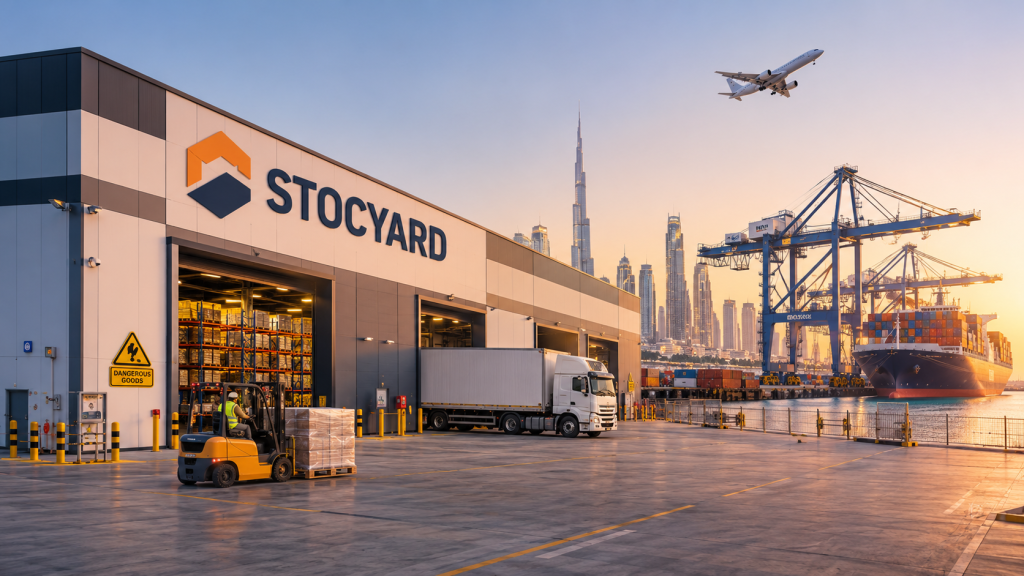
Dubai’s position as a major international trade and logistics hub makes it an important destination for businesses handling chemicals, industrial materials, speciality products and other regulated cargo. With goods moving through ports, free zones, industrial areas and distribution networks, safe and compliant storage plays a critical role in keeping supply chains operational.
However, not every warehouse is suitable for storing dangerous goods. Materials classified as hazardous may require specific infrastructure, fire protection systems, ventilation, segregation arrangements and regulatory approvals.
For businesses searching for a dangerous goods warehouse for rent in Dubai, choosing the right facility involves much more than comparing rental prices or available floor space. It requires a clear understanding of the material being stored, applicable regulations and the warehouse’s ability to meet operational and safety requirements.
What is a dangerous goods warehouse?
A dangerous goods warehouse is a specialised storage facility designed to accommodate materials that may pose risks to people, property or the environment. These materials can include certain chemicals, flammable liquids, corrosive substances, oxidising agents and other regulated products. Their storage requirements depend on their classification, physical and chemical properties, compatibility with other materials and the applicable regulatory framework.
Dangerous goods (DG) are commonly classified under the United Nations system into nine hazard classes, covering explosives, gases, flammable liquids, flammable solids, oxidising substances, toxic and infectious substances, radioactive materials, corrosives and miscellaneous dangerous substances. Not every facility is authorised to handle every class. Businesses must verify that the warehouse’s approvals specifically cover the materials they intend to store.
Why Dubai businesses need specialised DG warehousing
Dubai’s extensive trading and industrial ecosystem creates demand for storage facilities that can accommodate diverse cargo requirements. Importers may need temporary storage before distribution. Manufacturers may require a dedicated facility for raw materials, while distributors need secure inventory management between shipments. A suitable dangerous goods warehouse can help businesses:
- Maintain appropriate storage conditions for regulated materials.
- Reduce the risk of accidental mixing or incompatible storage.
- Improve inventory visibility and documentation.
- Coordinate receiving, handling and dispatch activities.
- Meet applicable safety and regulatory requirements.
- Maintain continuity across import, export and distribution operations.
The right storage arrangement also helps businesses plan their logistics more effectively, particularly when handling materials with specific temperature, ventilation or segregation requirements.
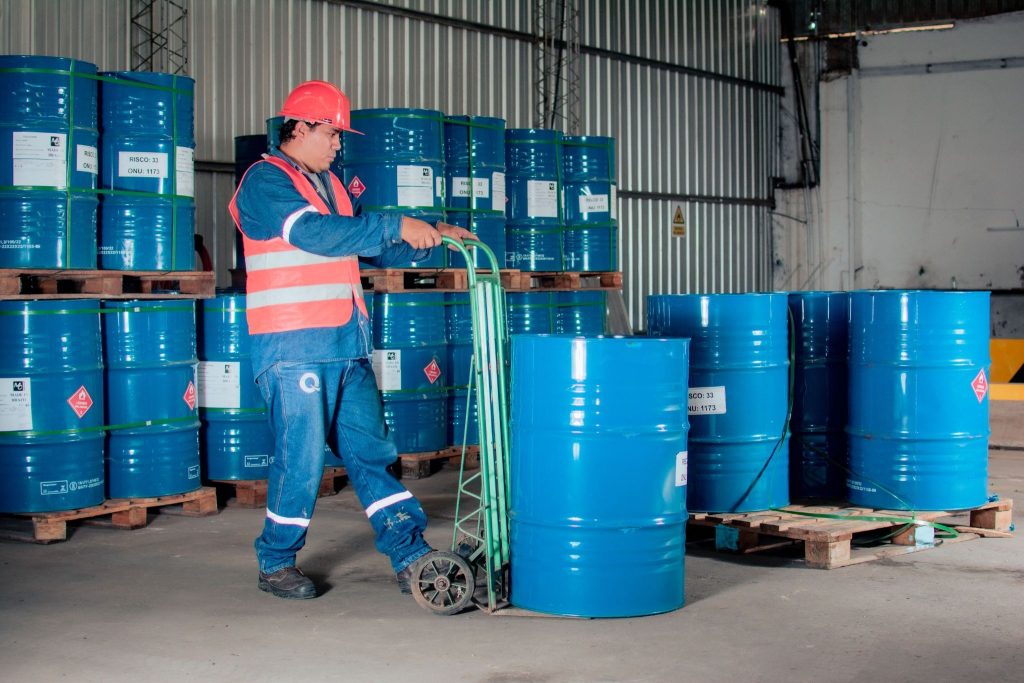
Important factors to consider before renting a DG warehouse
- Check the warehouse’s regulatory approvals
This should be the first step in the selection process. Businesses must verify the facility’s relevant trade, storage and safety approvals and confirm that the permitted activities cover the intended dangerous goods. Dubai’s Security Industry Regulatory Agency (SIRA) provides specific services relating to regulated hazardous materials. Its shipment clearance requirements for restricted chemicals include an appropriately licensed business activity, a storage permit and a No Objection Certificate from the relevant licensing authority for storage at the specified warehouse.
- Evaluate fire safety and emergency preparedness
Fire safety is a critical consideration when selecting a DG warehouse. Depending on the material and risk assessment, the facility may require suitable fire detection and suppression systems, emergency exits, firefighting equipment and clearly defined emergency response procedures.
Dubai Civil Defence requirements and the UAE Fire and Life Safety Code of Practice should be considered when assessing the facility’s compliance. Businesses should also verify whether the warehouse has appropriate inspection, maintenance and emergency response arrangements.
- Assess ventilation and storage infrastructure
Different materials have different environmental requirements. Certain chemicals may require controlled temperatures, adequate ventilation, chemical-resistant flooring or specialised electrical installations.
The Ports, Customs and Free Zone Corporation’s EHS requirements for industrial and commercial facilities refer to the Dubai Municipality Code of Practice for Management of Dangerous Goods. They also specify requirements for relevant chemical storage facilities, including chemical-resistant flooring, emergency eyewash and drench showers, and appropriate electrical fittings in hazardous areas.
- Check segregation and compatibility arrangements
Different hazardous materials cannot always be stored together. Incompatible substances may react when exposed to one another, increasing the risk of fire, toxic emissions or other incidents.
A suitable facility should have a clear segregation plan based on the relevant hazard classifications and material safety data sheets (MSDS/SDS). Businesses should confirm that the warehouse can accommodate the required separation distances, dedicated storage zones and handling procedures.
- Consider location and logistics connectivity
Location influences transportation costs, delivery schedules and access to ports, free zones and industrial customers. A warehouse closer to relevant trade routes may help reduce transit time and simplify cargo coordination. Businesses should also evaluate vehicle access, loading and unloading arrangements and the facility’s operating hours.
- Understand the complete rental cost
Warehouse rental should be evaluated alongside operational charges. These may include handling, loading, unloading, security, insurance, special storage arrangements and inventory management. A transparent cost structure helps businesses understand their actual storage expenditure and avoid unexpected charges.
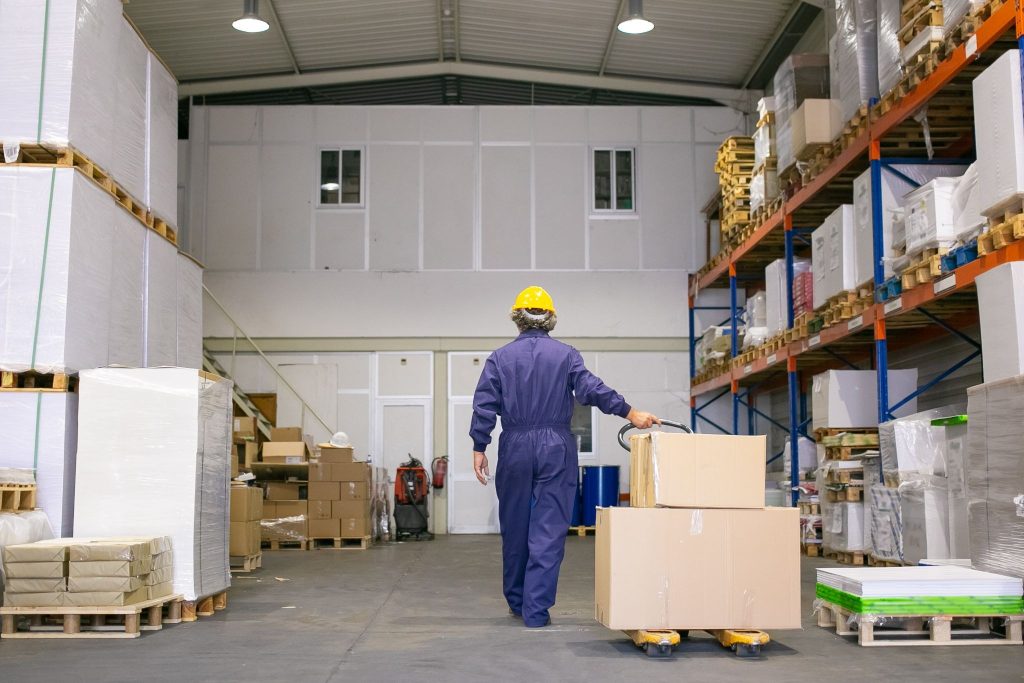
Why technology matters in DG Storage
Modern warehouse operations increasingly depend on digital inventory systems, real-time tracking and structured reporting. For dangerous goods, accurate inventory information is particularly important. Businesses need visibility into what is stored, where it is located, how much is available and when consignments are received or dispatched.
A technology-enabled warehouse management system can improve stock reconciliation, traceability and operational coordination. Combined with trained personnel and established safety procedures, it supports more controlled warehouse operations.
How stocyard supports warehouse requirements in the UAE
Finding warehouse space that matches a business’s operational needs can be challenging, particularly when specialised storage requirements are involved. stocyard, backed by StarAgri’s warehousing and supply chain expertise, offers warehouse and storage solutions across the UAE, including Dubai. Its portfolio includes dry and industrial warehouses, temperature-controlled facilities, open yard storage and DG and chemical storage at approved facilities.
Through smart warehousing, inventory management, logistics and third-party logistics (3PL) services, quality testing and insurance solutions, stocyard supports businesses looking for greater visibility and control over their stored inventory. For companies seeking dangerous goods storage, the suitability of a particular facility must be confirmed against the exact material classification, quantity, regulatory approvals and handling requirements. Availability of general warehouse space should not be treated as confirmation of DG storage authorisation.
Making the right warehouse decision
Selecting a dangerous goods warehouse is a decision that directly affects business continuity, employee safety and regulatory compliance. A suitable facility should offer more than available storage capacity. It should have the necessary approvals, appropriate infrastructure, trained operational support and reliable inventory management systems.
For businesses evaluating a warehouse for rent in Dubai, a detailed assessment of these factors can help create a safer and more efficient storage arrangement while supporting long-term supply chain requirements.
FAQs
- What is a dangerous goods warehouse?
It is a specialised storage facility designed and authorised to store specific hazardous materials under appropriate safety, infrastructure and regulatory requirements.
- Can all dangerous goods be stored in the same warehouse?
No. Storage suitability depends on hazard classification, material compatibility, quantity and the facility’s specific approvals. Certain substances require segregation or dedicated storage areas.
- What approvals are required for dangerous goods storage in Dubai?
Requirements depend on the material and facility. They may include relevant business licensing, storage permits, authority approvals and applicable Civil Defence and environmental safety compliance.
- What should businesses check before renting a DG warehouse in Dubai?
They should verify regulatory approvals, fire safety, ventilation, segregation arrangements, storage conditions, location, insurance and total operating costs. - Does stocyard offer dangerous goods storage in the UAE?
stocyard lists DG and chemical storage at approved facilities within its UAE warehousing portfolio. Businesses should contact its team to confirm availability and suitability for their specific materials and regulatory requirements.