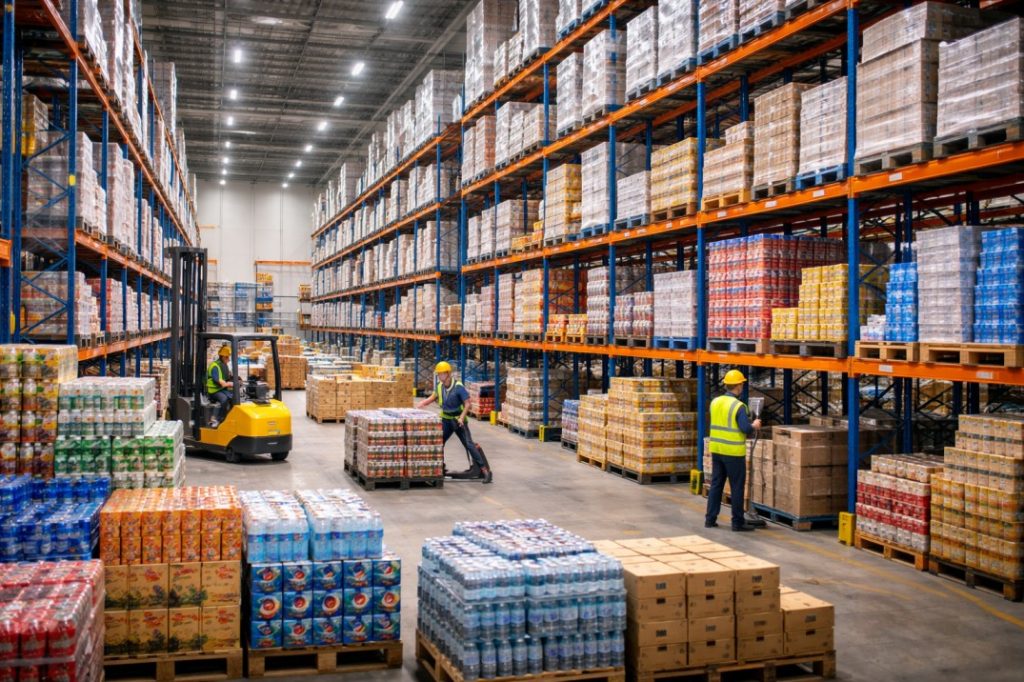
What does it take to keep supermarket shelves in Dubai stocked, ensure same-day grocery deliveries in Abu Dhabi, and maintain product freshness in one of the world’s hottest climates?
The United Arab Emirates (UAE) has rapidly evolved into a global logistics powerhouse, driven by its strategic location between Asia, Europe, and Africa, world-class infrastructure, and pro-business regulatory environment. For Fast-Moving Consumer Goods (FMCG) companies, effective supply chain operations hinge on robust FMCG warehousing capabilities that can keep pace with dynamic consumer demands, seasonal spikes, and omnichannel distribution models.
As the UAE continues to strengthen its role as a regional distribution hub, FMCG warehousing is becoming a strategic priority, not just for storage but as a critical enabler of supply chain resilience, speed to market, and cost optimisation.
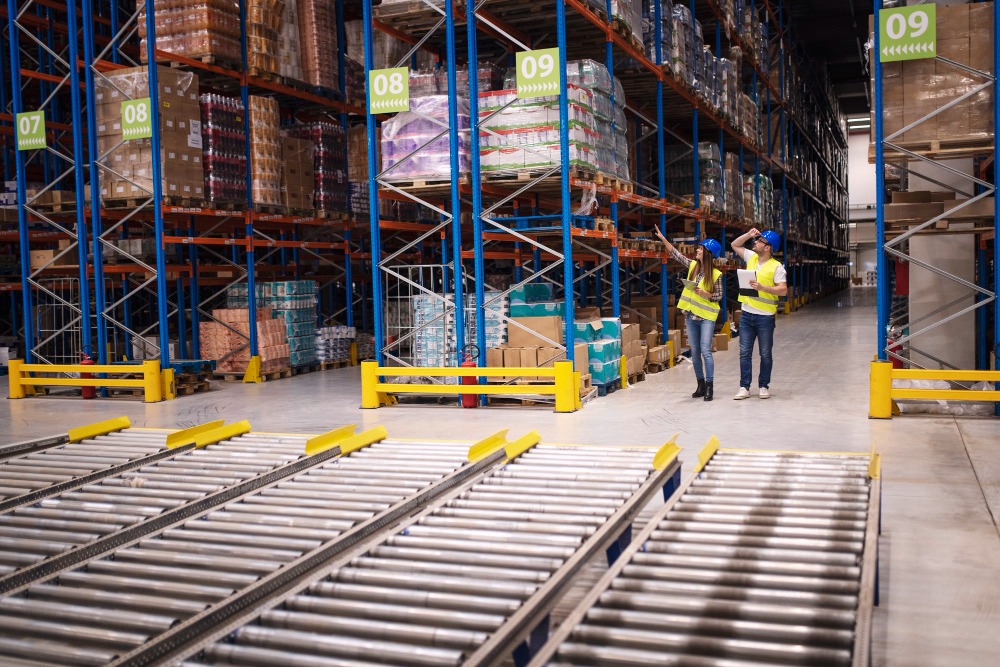
Why FMCG Warehousing matters in the UAE
FMCG products, including packaged foods, personal care items, beverages, household goods, and perishables, have inherently short shelf lives, high turnover, and demand frequent restocking. In a market like the UAE, where over 80% of food and grocery products are importedand e-commerce adoption is surging, FMCG warehousing becomes central to maintaining supply continuity and service excellence. (Reddit)
In 2025, the broader UAE warehousing market is estimated at over USD 21.8 billion, with projections to grow to USD 34.2 billion by 2030, underlining the expanding need for quality logistics infrastructure. (Grand View Research)
Market dynamics driving FMCG Warehousing demand
Several converging forces are shaping the demand profile for FMCG warehousing in the UAE:
- Near-full warehousing capacity: Occupancy rates in key logistics markets like Dubai and Abu Dhabi are near saturation, with Grade A warehouse spaces across the UAE approaching maximum utilisation due to rising demand from retail, e-commerce, and FMCG players alike. This intense competition for space makes planning, forecasting, and early reservations critical for brands reliant on warehousing capacity.
- E-commerce & omnichannel fulfilment: E-commerce continues to transform FMCG consumption patterns in the UAE. Digital shopping platforms have driven rapid growth in quick commerce (Q-commerce) and consumer expectations for same-day or next-day delivery. Warehouses near urban centres and logistics hubs serve as essential micro-fulfilment centres for rapid order processing.(article7155.wordpress.com)
- Technology & automation: By 2025, UAE logistics providers will be heavily investing in automation and smart warehouse solutions. AI integration, real-time inventory management systems, robotics, and IoT sensors are increasingly standard features in modern warehouses, enhancing operational efficiency, inventory accuracy, and fulfilment speed. Reports show AI adoption in warehousing operations in Dubai could rise from 36% to 64% by 2025, significantly boosting productivity and reducing operational costs. (Phonics Heroes)
- Cold chain & temperature-sensitive storage: A substantial portion of FMCG products, such as dairy, frozen foods, and pharmaceuticals, require strict temperature-controlled environments. The UAE’s logistics sector is actively expanding cold-chain capacity with advanced refrigeration and IoT-enabled monitoring systems to preserve quality and compliance with health standards.
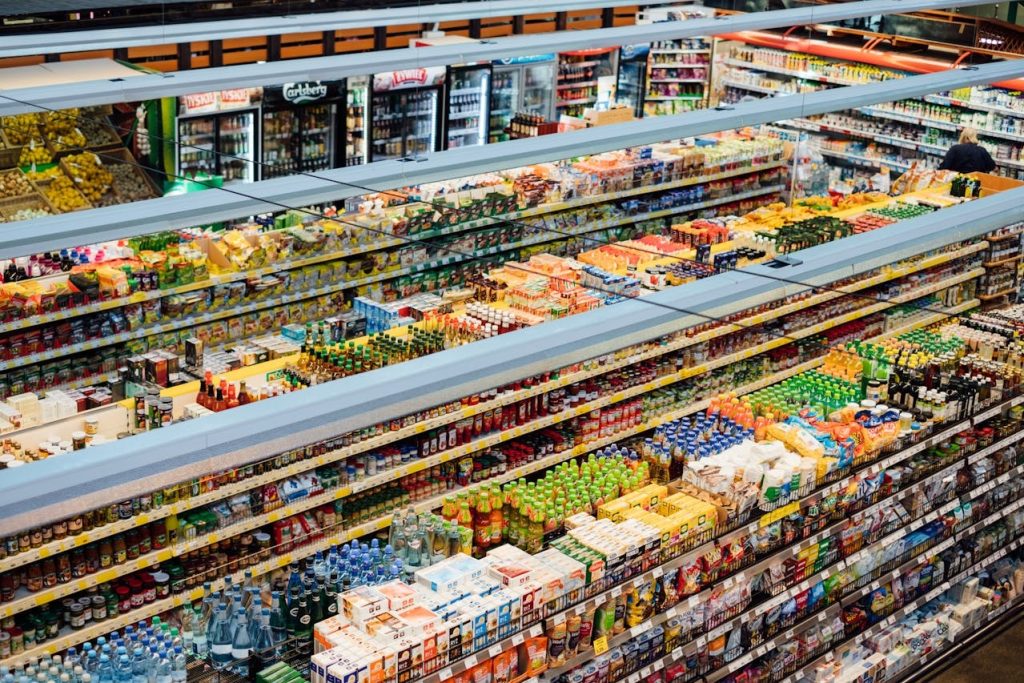
Key FMCG Warehousing Requirements for UAE Operations
To stay competitive and compliant in the UAE market, FMCG companies must design their warehousing strategy around several critical requirements:
- Strategic location & multimodal connectivity: Proximity to major ports (such as Jebel Ali) and airports (such as Dubai South) reduces transit and import lead times. Warehouses near these hubs enable rapid replenishment and efficient distribution to both B2B and B2C channels.
- Flexible & scalable space: With demand fluctuating seasonally (e.g., during Ramadan and national holidays), FMCG players need scalable warehouse space that can handle high-volume periods without compromising day-to-day operations. Mid-sized flexible facilities are particularly in demand, accounting for the majority of new leases.
- Temperature control & quality assurance: Robust cold chain warehousing, capable of handling chilled to deep-frozen products, is essential to prevent spoilage, maintain freshness, and comply with stringent safety regulations.
- Real-time tracking & inventory management: Modern FMCG warehousing must integrate WMS (Warehouse Management Systems) and RFID or barcode systems to improve visibility across inbound, storage, and outbound processes, reducing stockouts, deadstock, and operational bottlenecks.
- Compliance & sustainability: The UAE’s regulatory framework emphasises compliance with food safety standards (e.g., HACCP) and sustainability outcomes. Eco-friendly warehousing practices, solar power adoption, and energy-efficient operations not only align with government visions but also meet consumer expectations for green logistics.
Challenges in FMCG Warehousing
Despite its advantages, the UAE landscape also poses challenges:
- High real estate costs: Premium logistics zones command higher lease rates, which in turn affect all supply chain costs.
- Space shortages: Near-full occupancy levels put pressure on companies to secure warehouse space early.
- Talent & technology adoption gap: Skilled labour shortages and varying levels of automation adoption can slow efficiency gains.
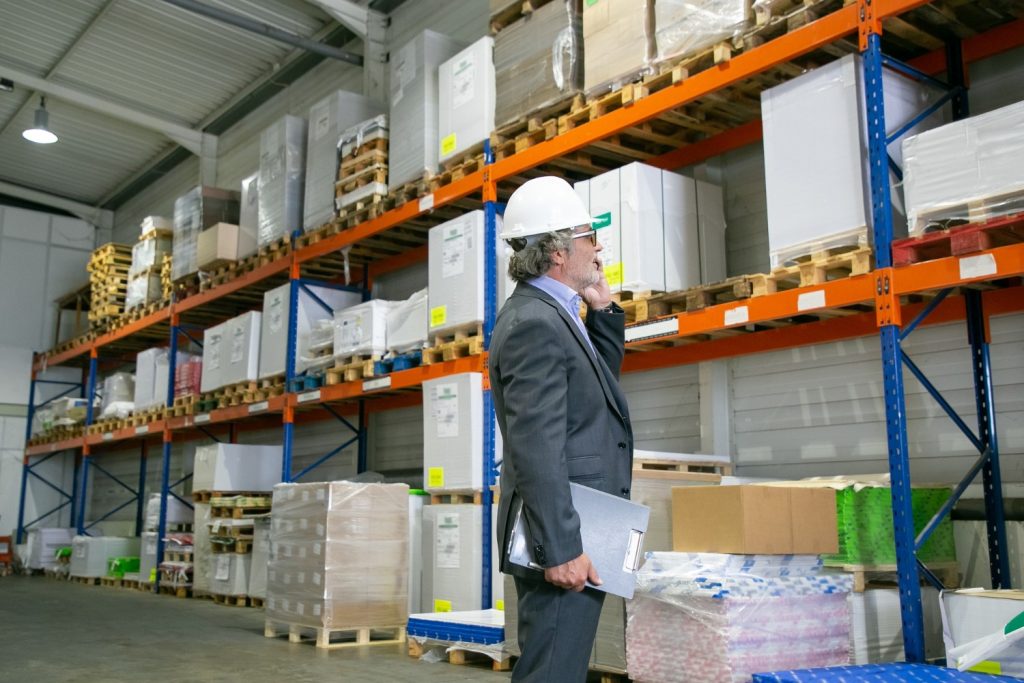
How stocyard supports FMCG warehousing needs
At stocyard, we recognise that FMCG companies require more than basic warehouse space. They need an ecosystem that supports growth, agility, and technology-driven operations. Here’s how stocyard strengthens your FMCG warehousing strategy:
- Flexible storage solutions: From ambient to fully temperature-controlled facilities, stocyard offers scalable warehousing tailored to the diverse needs of FMCG products across all 7 Emirates.
- Real-time inventory management: Integrated WMS platforms enable live tracking, demand forecasting, and seamless connectivity with retail and e-commerce channels.
- Strategic network access: Our 100+ warehouses are located strategically to connect to UAE transportation corridors, ports, and distribution networks.
- Compliance & sustainability: We help brands meet regulatory standards while reducing their carbon footprint through energy-efficient operations and sustainable logistics practices.
Conclusion
With the UAE’s FMCG market expanding rapidly and warehousing capacity approaching full utilisation, the requirements for FMCG warehousing have never been more complex or crucial. From technological upgrades and multimodal logistics integration to flexible space planning and quality compliance, FMCG brands must innovate to stay competitive. stocyard’s advanced warehousing solutions empower businesses to meet these requirements efficiently, enabling rapid growth, operational excellence, and enhanced customer satisfaction in one of the world’s most dynamic logistics markets.
FAQs
- What is FMCG warehousing and why is it important in the UAE?
FMCG warehousing refers to the storage, handling, and distribution of fast-moving consumer goods, including food, beverages, personal care, and household products. In the UAE, where a significant portion of FMCG products are imported and consumer demand is high, efficient warehousing enables faster replenishment, reduces stockouts, and improves supply chain reliability.
- What are the key requirements for FMCG warehousing in the UAE?
Key requirements include strategic location near ports and airports, temperature-controlled storage for perishables, real-time inventory management systems, scalable storage space, regulatory compliance (food safety standards), and technology integration for faster order fulfilment.
- Why is temperature-controlled storage crucial for FMCG products in the UAE?
Due to the UAE’s hot climate, temperature-sensitive products such as dairy, frozen foods, beverages, and pharmaceuticals require advanced cold-chain warehousing. Proper temperature control prevents spoilage, maintains product quality, and ensures compliance with health and safety regulations.
- How is e-commerce impacting FMCG warehousing in the UAE?
The rapid growth of e-commerce and quick commerce (Q-commerce) in the UAE has increased demand for faster order processing and last-mile delivery. This has led to the rise of urban fulfilment centres, automation, and smart warehouse management systems to handle higher volumes and shorter delivery timelines. - How can logistics providers like Stocyard support FMCG warehousing needs?
Logistics partners such as Stocyard provide flexible storage options, integrated warehouse management systems (WMS), temperature-controlled facilities, strategic warehouse locations, and value-added services like pick-and-pack and reverse logistics. These solutions help FMCG companies improve efficiency, reduce costs, and scale operations effectively in the UAE market.