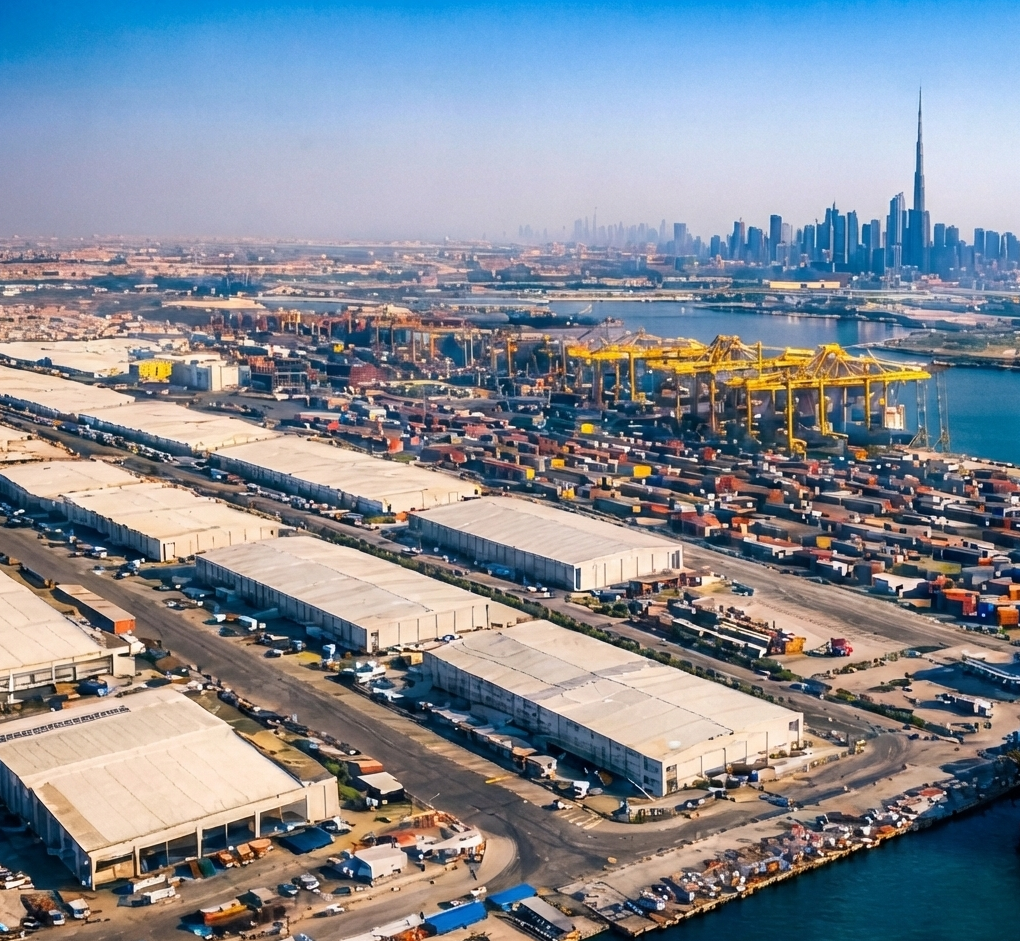
A shipment lands in Dubai at 9:00 AM. By noon, it needs a plan.
Hold it? Move it? Re-export it? Store it closer to a free zone?
In a place like the United Arab Emirates, these decisions don’t happen over days. They happen in hours.
And that’s where something interesting starts to show up.
Warehousing isn’t just infrastructure here. It’s timing.
Not Just Storage: A Timing Game
The UAE has built its reputation on speed. Goods arrive, move, and leave, often without staying too long in one place.
But that doesn’t mean storage is less important. If anything, it’s more critical.
Because every shipment, no matter how fast it moves, needs a pause point.
A place to hold, sort, or redirect.
That pause point? The warehouse.
And the scale of this system is only growing:
- UAE Logistics Market size is expected to grow by USD 143 million from 2026-2030, expanding at a CAGR of 8.2% during the forecast period
- Infrastructure like Jebel Ali Port continues to rank among the busiest global trade gateways
- A large share of UAE trade is driven by re-exports, meaning goods are constantly being redistributed across regions
So the question isn’t whether you need storage. It’s how quickly you can find the right one.
The Real Problem is Access to Warehousing
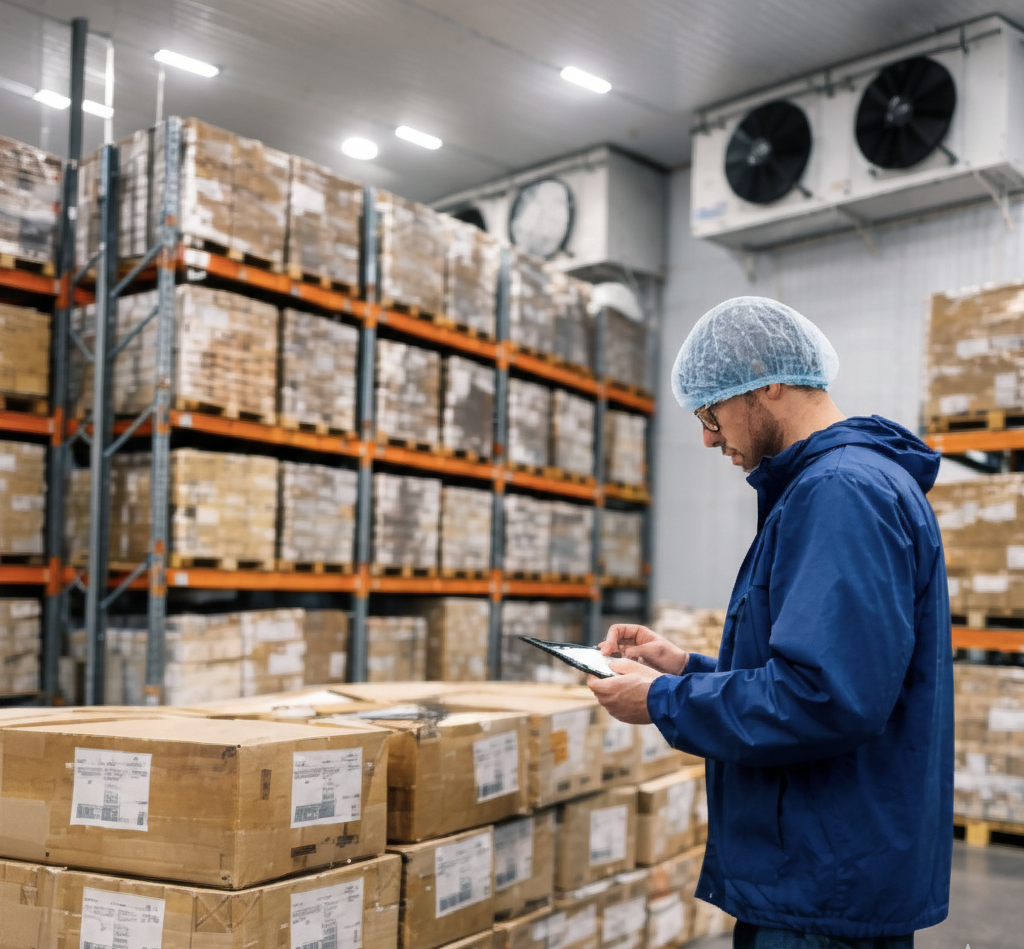
In reality, finding storage still looks like this:
- You call a few contacts
- You check availability manually
- You compare options with limited information
- You make a decision under time pressure
It works, but not always efficiently.
And in a system built on speed, even small delays can ripple out into:
- Higher costs
- Slower turnaround times
- Missed trade windows
The Digital Shift: Warehousing Goes Online
Now imagine the same situation, but with one difference.
Instead of calling multiple people, you open a platform.
You search by location.
You filter by requirement.
You see what’s available, instantly.
That’s the shift we’re starting to see.
Warehouse discovery is slowly moving from network-driven to platform-driven.
And it’s not just about convenience. It changes how decisions are made.
- Faster comparisons
- Better visibility
- Less dependency on intermediaries
- More control over timelines
In a market like the UAE, that’s a meaningful shift.
Why This Matters More Here Than Anywhere Else
In many countries, warehousing is about long-term storage.
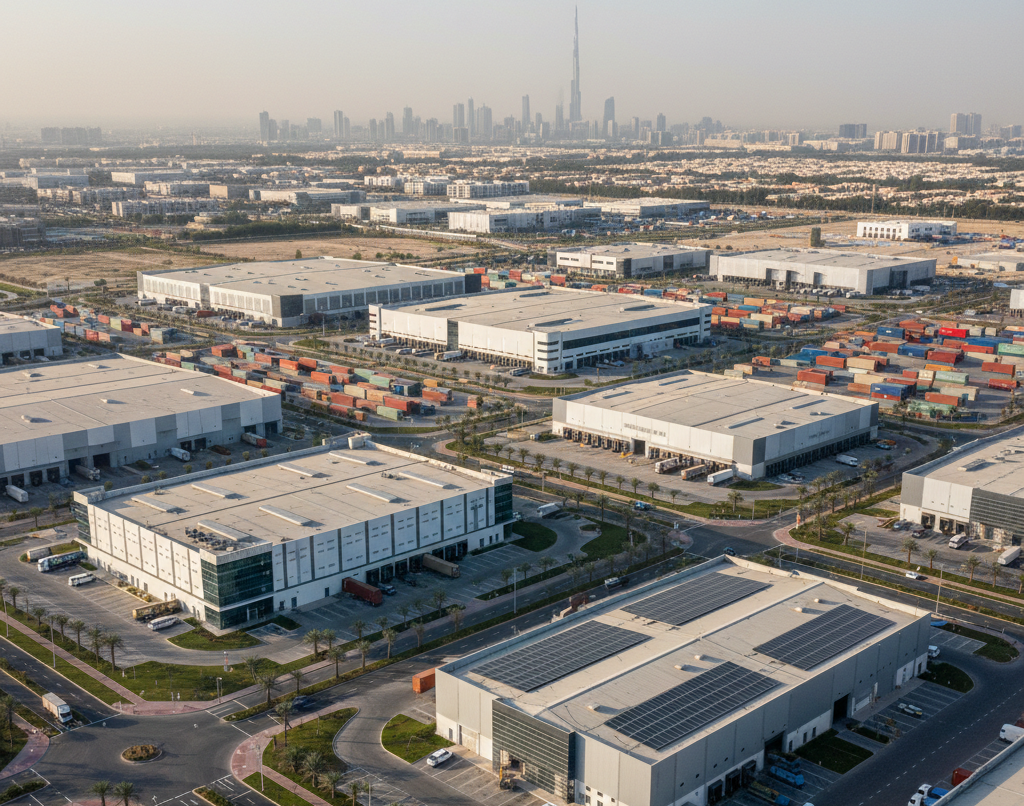
In the UAE, it’s often about short-term precision.
Goods move in, pause briefly, and move out again.
That creates very specific needs:
- Storage close to ports or free zones
- Flexible durations
- Quick onboarding and exit
- Minimal friction in decision-making
Which means the ability to find and secure storage quickly becomes just as important as the storage itself.
Where stocyard Fits In
This is where stocyard starts to make sense in the ecosystem.
Instead of adding more warehouses, it focuses on making existing capacity easier to access.
Through its platform, stocyard enables:
- Discovery of warehouses across key UAE locations
- Search based on real business requirements, not just availability
- Faster decision-making in time-sensitive scenarios
- Reduced reliance on manual coordination and intermediaries
It’s a relatively simple idea.
But in a fast-moving trade environment, simplifying access can have a disproportionate impact.
What This Signals Going Forward
The UAE’s logistics ecosystem is already advanced.
But the next layer of efficiency is about connecting what already exists.
We’re moving toward a system where:
- Infrastructure is digitally discoverable
- Decisions are made in minutes, not hours
- Storage becomes part of a real-time trade flow
And as this shift continues, the role of platforms like stocyard becomes more relevant.
By simplifying how businesses find, compare, and access warehouses, stocyard helps turn existing infrastructure into something far more usable in fast-moving trade scenarios.
FAQs
1. Why is warehousing important in the UAE’s trade ecosystem?
Warehousing plays a key role in supporting the fast-paced trade environment of the UAE. It acts as a critical pause point for goods moving through import, export, and re-export cycles. This helps businesses manage inventory efficiently while keeping trade flows smooth.
2. What challenges do businesses face in finding warehouses in the UAE?
Despite strong infrastructure, businesses often struggle with limited visibility into available warehouse options. The process can involve multiple intermediaries and time-consuming coordination. This makes it harder to secure the right space quickly in time-sensitive situations.
3. How is warehouse discovery changing in the UAE?
Warehouse discovery is gradually shifting from manual, network-driven processes to digital platforms. Businesses can now search, compare, and access options more efficiently. This improves decision-making speed and reduces dependency on traditional methods.
4. What factors should businesses consider when choosing a warehouse?
Location, proximity to ports or free zones, storage capacity, and flexibility are key considerations. Businesses also look at turnaround time and ease of access. These factors directly impact cost, efficiency, and overall trade execution.
5. How does stocyard help businesses with warehouse access?
stocyard simplifies the process by providing a digital platform to discover and access warehouses across the UAE. It enables faster search, better visibility, and more informed decisions. This helps businesses secure storage quickly and operate more efficiently.