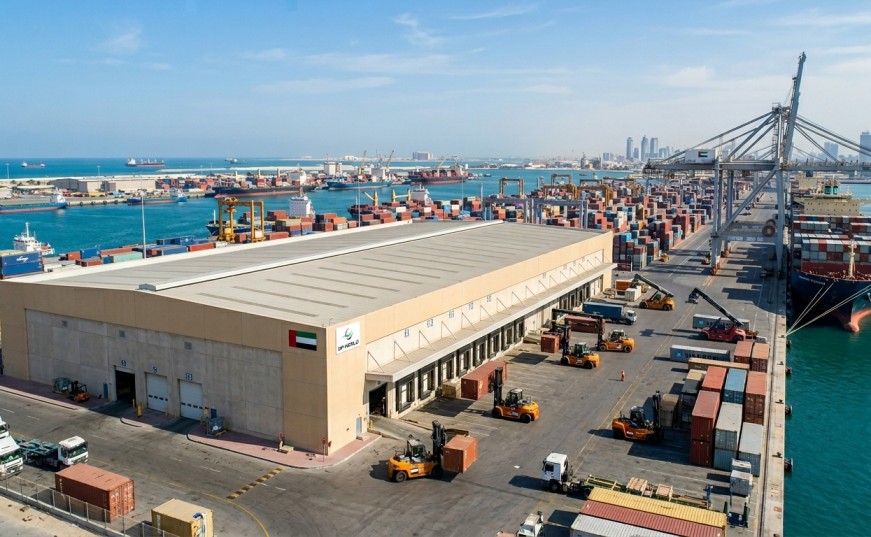
The UAE’s logistics ecosystem is rising due to the increasing e-commerce demand, expanding trade volumes, and increasingly time-sensitive consumption patterns. This dynamics is prompting businesses to rethink traditional storage models, with a growing focus on speed, flexibility, and proximity to end users. As a result, micro-warehousing is emerging as a key enabler of more agile, responsive supply chains, particularly in dense urban markets.
The UAE warehousing market generated approximately USD 21.8 billion in revenue in 2024 and is projected to reach USD 34.2 billion by 2030, growing at a CAGR of nearly 7.8%.
At the same time, the broader logistics market is expected to grow from USD 57.6 billion in 2025 to over USD 96 billion by 2034, driven by trade and e-commerce expansion.
This growth is reshaping how storage infrastructure is designed and deployed.
What is Micro-Warehousing?
Micro-warehousing refers to smaller, decentralized storage units located closer to consumption hubs. Unlike traditional large warehouses, these facilities are optimized for:
- Faster delivery timelines
- Last-mile logistics
- Inventory flexibility
Storage Mix Trends in the UAE
The UAE’s warehousing sector is diversifying across multiple formats:
- General Warehousing: Largest segment, supporting bulk storage
- Cold Storage: Fastest-growing segment due to food and pharma demand
- Urban Fulfillment Centers: Emerging category driven by e-commerce
Micro-warehousing fits within this evolving mix, particularly in urban areas like Dubai and Abu Dhabi.
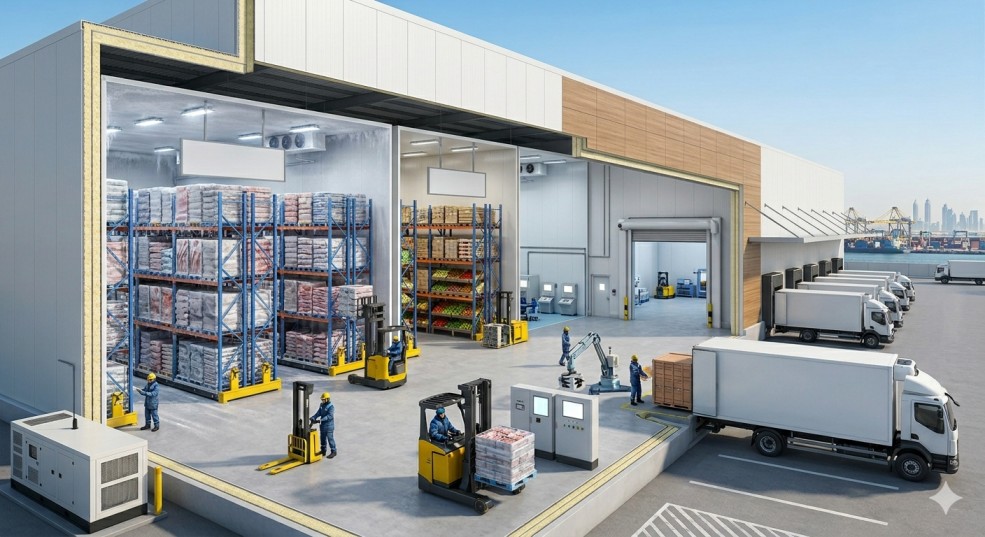
Unit Size Trends: Smaller, Smarter, Faster
One of the most notable shifts is in warehouse unit sizes:
- Increasing demand for small-to-mid-sized units (5,000–20,000 sq. ft.)
- Higher preference for modular and flexible spaces
- Growth of multi-tenant facilities
These trends reflect a move away from large, centralized storage toward distributed networks.
Drivers of Micro-Warehousing Adoption
Several factors are accelerating this trend:
- E-commerce Boom: Rising online retail demand requires faster fulfillment and delivery.
- Urbanization: Dense urban clusters necessitate storage closer to consumers.
- Cost Optimization: Smaller units reduce upfront investment and operational costs.
- Technology Integration: IoT, real-time tracking, and automation enable efficient small-scale operations.
stocyard’s Role in the Evolving Landscape
stocyard is positioned to capitalize on these trends by offering digitally enabled storage solutions tailored for modern supply chains. Key offerings include:
- Flexible storage discovery and booking
- Digital inventory management
- Integration with trading platforms
- Transparent pricing and availability
By enabling access to distributed storage networks, Stocyard aligns perfectly with the micro-warehousing model.
Strategic Importance for the UAE
Micro-warehousing strengthens the UAE’s position as a logistics hub by:
- Enhancing last-mile delivery efficiency
- Supporting SMEs and e-commerce businesses
- Reducing supply chain bottlenecks
Additionally, the presence of free zones and advanced infrastructure continues to attract global investment into the sector.
The Road Ahead
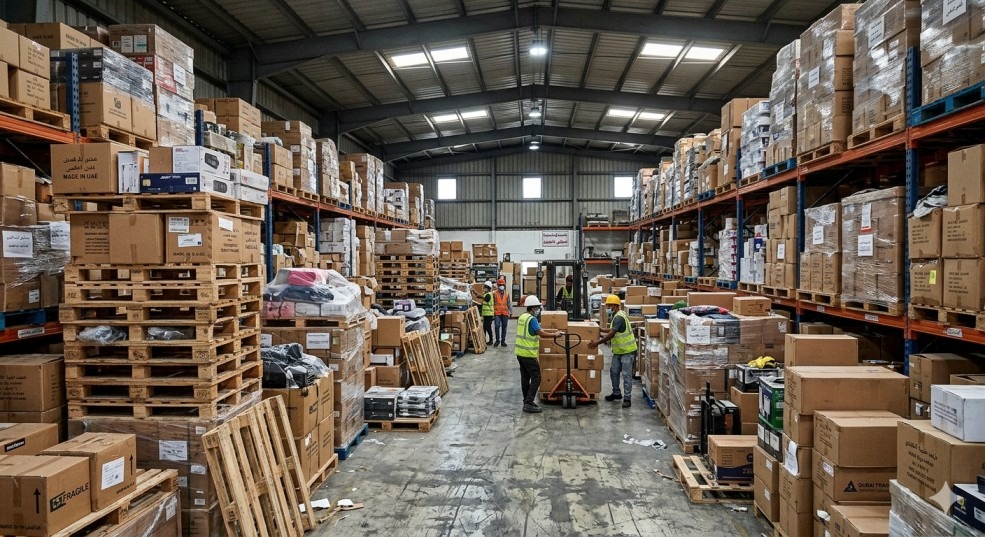
As the UAE logistics ecosystem evolves, micro-warehousing will play a critical role in shaping future supply chains. The focus will shift toward:
- Hyperlocal distribution networks
- Tech-enabled storage solutions
- Sustainable and energy-efficient facilities
Conclusion
Micro-warehousing represents a structural transformation in how supply chains are designed and operated, particularly in fast-moving, demand-driven markets like the UAE. As businesses shift toward faster fulfillment, leaner inventories, and hyperlocal distribution, the need for smaller, strategically located storage units is becoming critical. This model enables greater agility, reduces last-mile delivery timelines, and allows companies to respond more effectively to fluctuating demand patterns.
stocyard is redefining storage access and utilization and making warehousing more accessible & scalable by enabling on-demand discovery, flexible leasing, and digital inventory management. In a logistics landscape increasingly driven by speed, transparency, and optimization, such platforms are well-positioned to play a central role in how storage is accessed, managed, and monetized.
FAQs
- What is micro-warehousing?
Micro-warehousing refers to smaller, decentralized storage units located closer to end consumers for faster and more efficient delivery.
- Why is micro-warehousing growing in the UAE?
Growth in e-commerce, urbanization, and demand for faster delivery are driving the need for smaller, flexible storage solutions.
- What are the latest warehouse unit size trends in the UAE?
There is increasing demand for small-to-mid-sized units (5,000–20,000 sq. ft.) with flexible and modular designs.
- How does stocyard enable micro-warehousing?
stocyard offers digital storage discovery, flexible booking, and inventory management, making warehousing more accessible and efficient. - What are the key benefits of micro-warehousing?Faster last-mile delivery, reduced logistics costs, better inventory control, and improved supply chain agility.