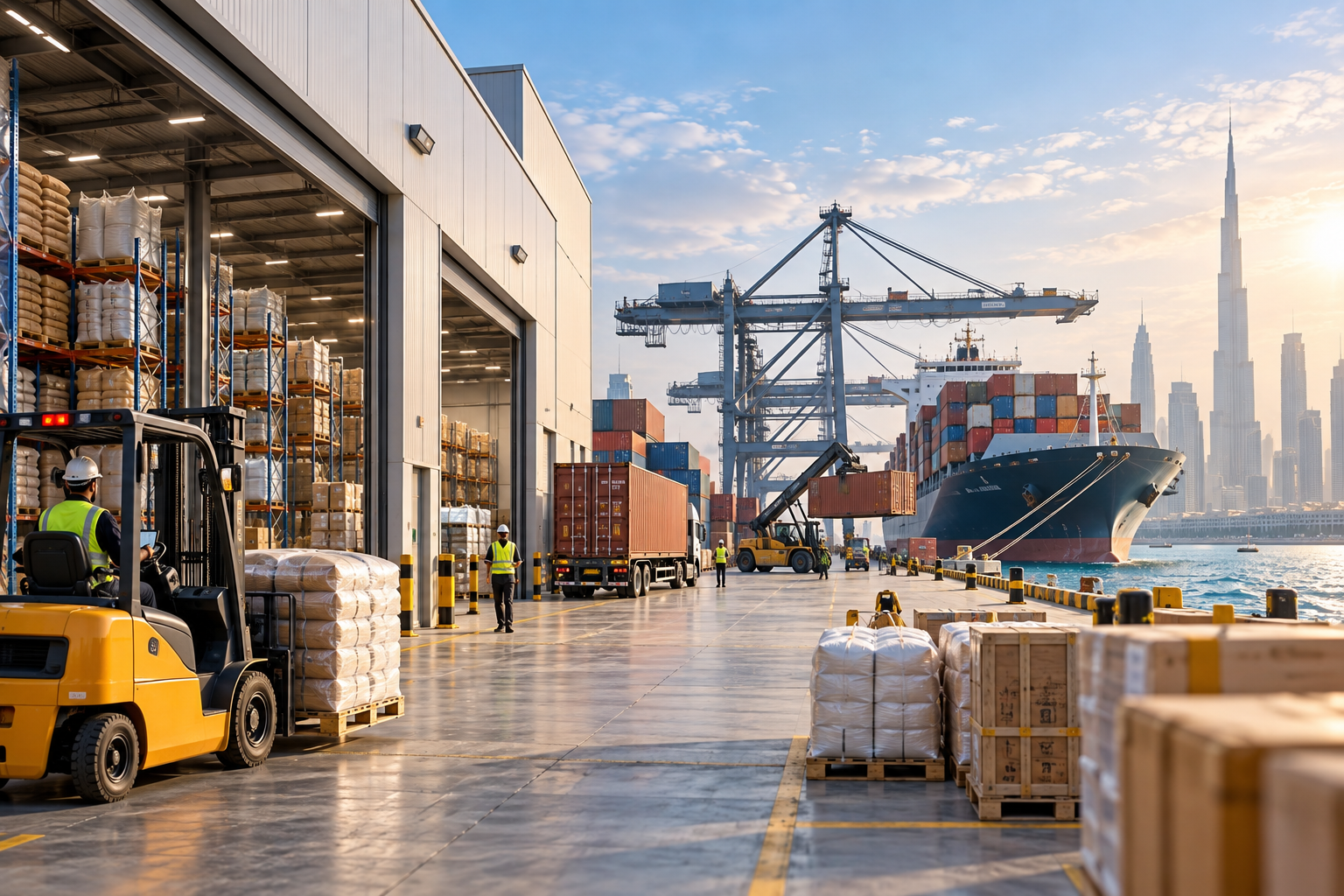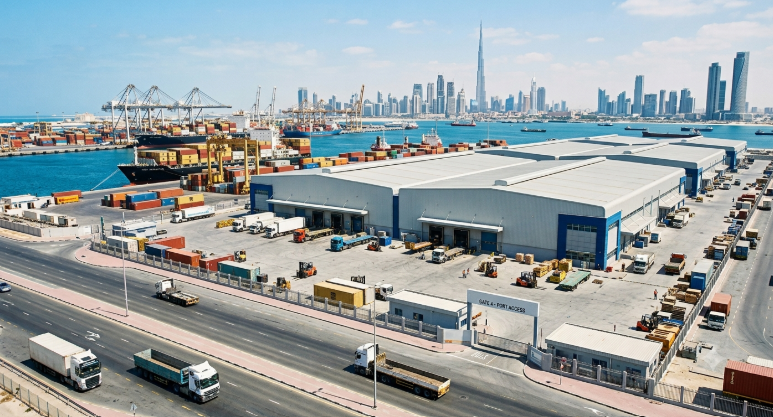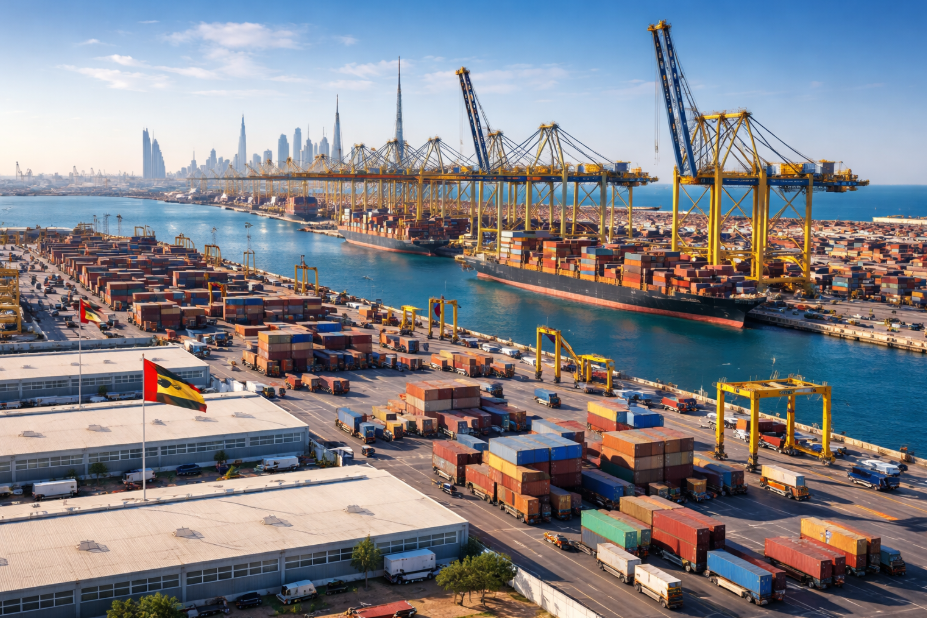

Dubai is one of the world’s leading logistics and trade hubs, connecting businesses across the Middle East, Africa, Europe and Asia. As supply chain become increasingly global, warehousing decisions are operational, AND they’re strategic!
Choosing a warehouse isn’t simply about finding space for your inventory. It’s about finding a solution that supports the way your business operates.
A steel importer may require a spacious outdoor yard with easy access for heavy equipment. An e-commerce distributor, on the other hand, depends on real-time inventory tracking, order fulfilment and seamless distribution. Both businesses need storage, but not the same kind of storage.
That’s why understanding the difference between an Open Yard Warehouse and Third-Party Logistics (3PL) Storage is so important. While both support supply chains, they are designed for very different operational requirements.
The right choice isn’t the cheaper one. It’s the one that helps your business move more efficiently.

What is an Open Yard Warehouse?
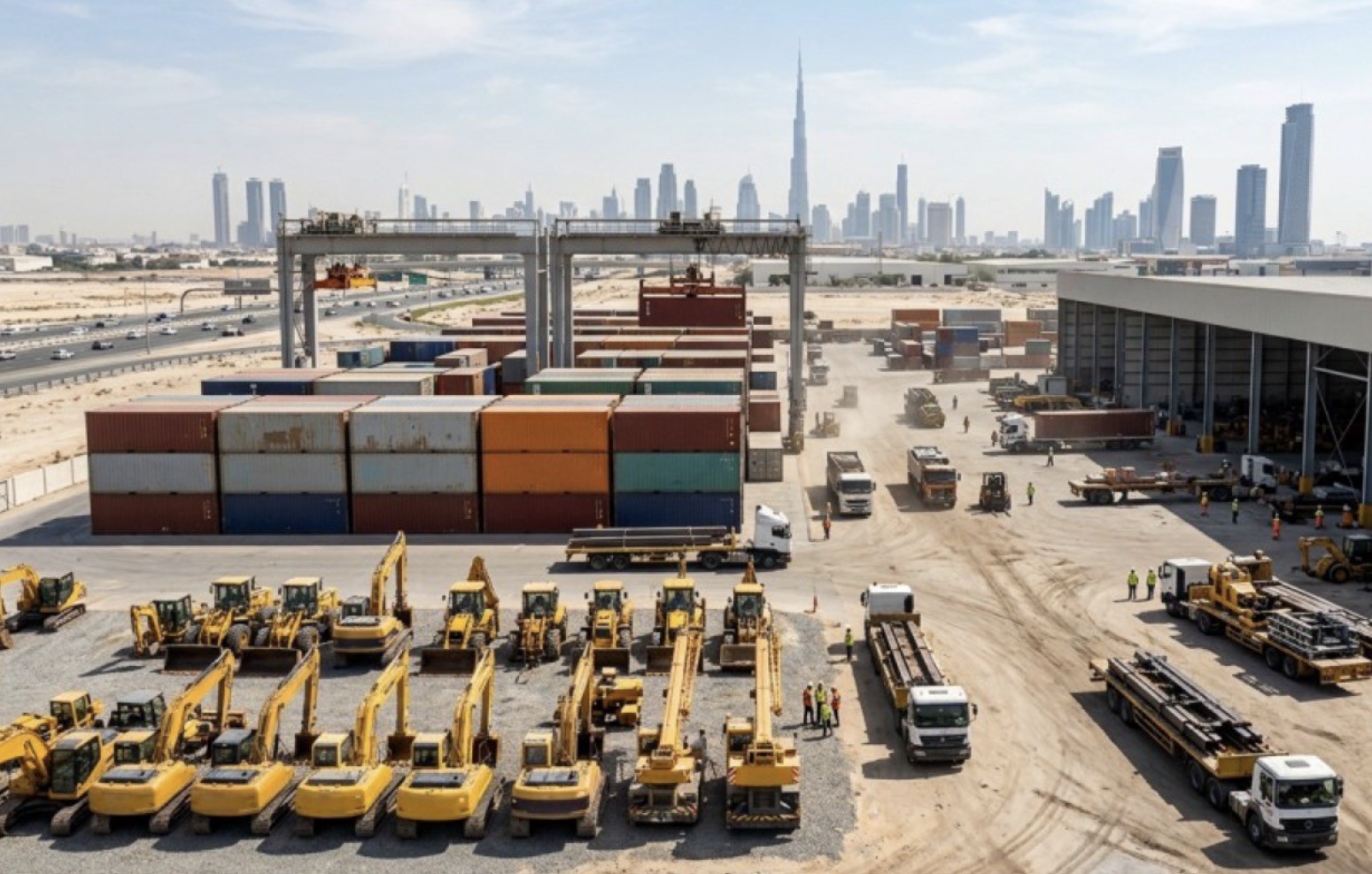
An Open Yard Warehouse is an outdoor storage facility designed for goods that are bulky, heavy or less sensitive to weather conditions. These facilities are commonly used for:
- Steel coils and pipes
- Construction materials
- Timber
- Containers
- Heavy machinery
- Project cargo
- Certain bulk commodities
Open yards offer large storage areas, easy vehicle access and lower storage costs, making them particularly attractive for infrastructure, manufacturing and import-export businesses. However, because inventory is stored outdoors, businesses may need additional protection measures depending on the nature of the goods.
What is 3PL Storage?
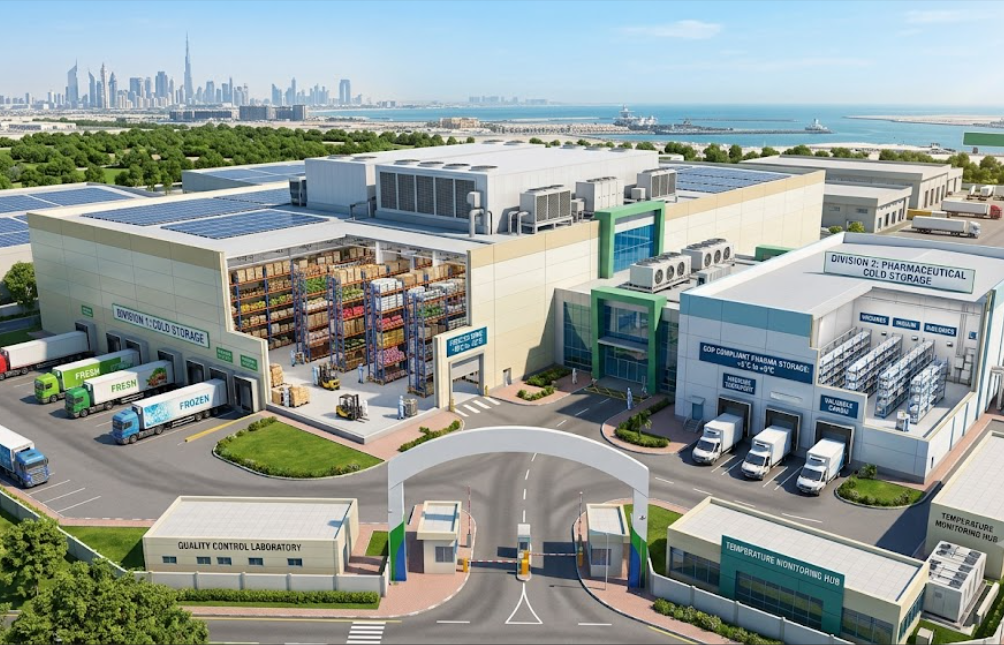
3PL (Third-Party Logistics) Storage goes beyond providing warehouse space. A 3PL provider manages storage and often several value-added logistics services. These services may include:
- Inventory management
- Order fulfilment
- Picking and packing
- Transportation coordination
- Distribution planning
- Real-time stock visibility
- Documentation and reporting
For businesses handling large volumes of inventory, multiple customers or regional distribution, 3PL storage can significantly improve operational efficiency.

Open Yard Warehouse vs 3PL Storage
| Feature | Open Yard Warehouse | 3PL Storage |
| Best for | Steel, timber, machinery, project cargo | Packaged goods, retail inventory, industrial products |
| Storage environment | Outdoor | Indoor warehouse |
| Inventory management | Basic | Advanced digital tracking |
| Value-added services | Limited | Comprehensive |
| Distribution support | Minimal | Integrated logistics support |
| Scalability | Moderate | High |
| Typical users | Construction, infrastructure, import-export | Retail, manufacturing, e-commerce, FMCG |
When should you choose an Open Yard Warehouse?
An Open Yard is often the better option when:
- Your goods are durable and weather-resistant.
- You need space for oversized cargo.
- Heavy equipment requires easy loading and unloading.
- Storage cost is a major consideration.
- Inventory handling is relatively straightforward.
For many infrastructure and industrial businesses, open yards provide a practical and economical storage solution.
When is 3PL Storage a better choice?
A 3PL solution becomes valuable when operational efficiency is just as important as storage itself. It is particularly suitable if you:
- Need real-time inventory visibility.
- Manage multiple customer orders.
- Operate across several markets.
- Require integrated transportation and warehousing.
- Need accurate stock documentation and reporting.
- Handle fast-moving inventory.
Instead of coordinating multiple logistics providers, businesses can centralise several supply chain functions under one partner.
Why is the decision important?
Warehousing influences far more than where goods are stored. It affects:
- Inventory costs
- Delivery timelines
- Product condition
- Supply chain visibility
- Customer satisfaction
- Operational flexibility
In today’s competitive market, the wrong storage model can create hidden costs that outweigh any initial savings.

How does stocyard support modern supply chains
Every business has unique storage requirements, and selecting the right warehousing model can have a direct impact on operational efficiency and inventory performance.
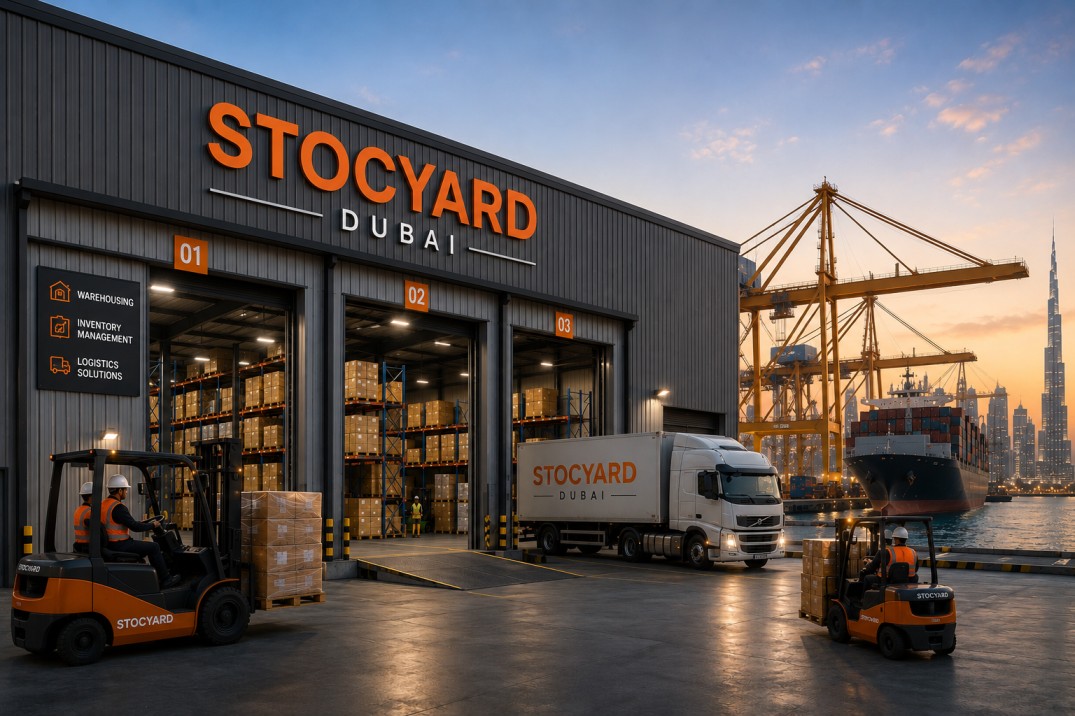
At stocyard, the focus is on helping businesses evaluate storage solutions that align with their supply chain goals, whether that means secure open-yard storage for oversized cargo or integrated warehousing solutions that support more complex logistics operations.
Because effective warehousing is no longer just about storing inventory. It’s about creating the visibility, flexibility and efficiency that modern businesses need to stay competitive.
Conclusion
Supply chains are becoming more interconnected, and customer expectations continue to evolve. Warehousing is also becoming more about creating a seamless flow of inventory across the supply chain. The right storage solution can improve operational efficiency, enhance inventory visibility and help businesses respond more effectively to changing market demands.
Whether you choose an Open Yard Warehouse or 3PL Storage, the decision should be guided by your products, operational requirements and long-term business objectives, not just by cost.
FAQs
- What is an Open Yard Warehouse?
An Open Yard Warehouse is an outdoor storage facility used for bulky or weather-tolerant goods such as steel, timber, machinery and containers.
- What is 3PL Storage?
3PL Storage is a warehousing solution where a third-party logistics provider manages storage along with services such as inventory management, fulfilment and transportation.
- Which option is more cost-effective?
Open Yard storage is generally less expensive, while 3PL storage offers greater operational efficiency through additional logistics services.
- Is 3PL Storage suitable for international trade businesses?
Yes. Many importers, exporters and distributors use 3PL providers to manage inventory, fulfil orders and coordinate regional distribution. - How do I choose the right storage solution?
Consider your product type, storage duration, inventory movement, distribution needs, budget and the level of operational support required.