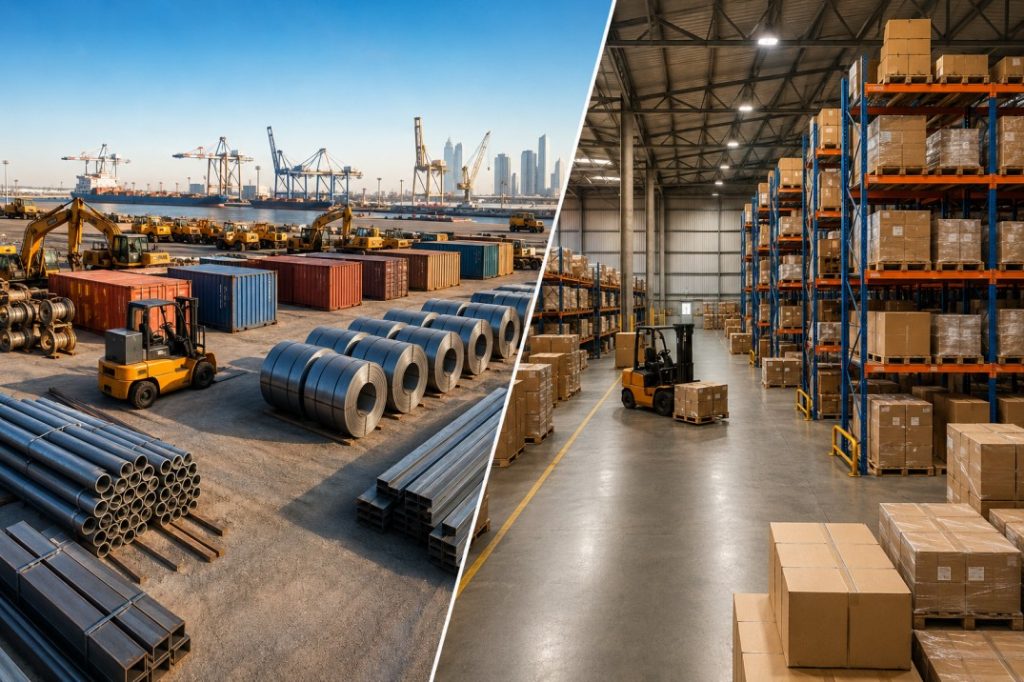
Efficient storage is a basis of every successful supply chain. Whether you’re handling construction materials, industrial equipment, commodities, or finished goods, choosing the right storage solution directly impacts operational efficiency, inventory management, and overall business costs.
Two of the most widely used storage options are open yard storage and traditional warehousing. While both play a vital role in modern logistics, understanding their differences can help businesses make informed decisions based on the nature of their inventory, operational requirements, and budget.
The need for flexible storage solutions is growing worldwide.
According to The Business Research Company, the global warehousing and storage market is projected to grow from approximately USD 713 billion in 2025 to over USD 765 billion in 2026, driven by expanding global trade, manufacturing, e-commerce, and infrastructure development. As supply chains become increasingly dynamic, businesses are adopting storage models that balance cost efficiency with operational flexibility.
Understanding Open Yard Storage
Open yard storage refers to secure outdoor spaces designed to accommodate large, bulky, or weather-resistant materials that do not require enclosed facilities. These storage areas are particularly useful for industries that frequently handle oversized cargo or equipment.
Common applications include:
- Construction materials
- Steel products and pipes
- Heavy machinery
- Shipping containers
- Industrial equipment
- Timber
- Project cargo
- Vehicles
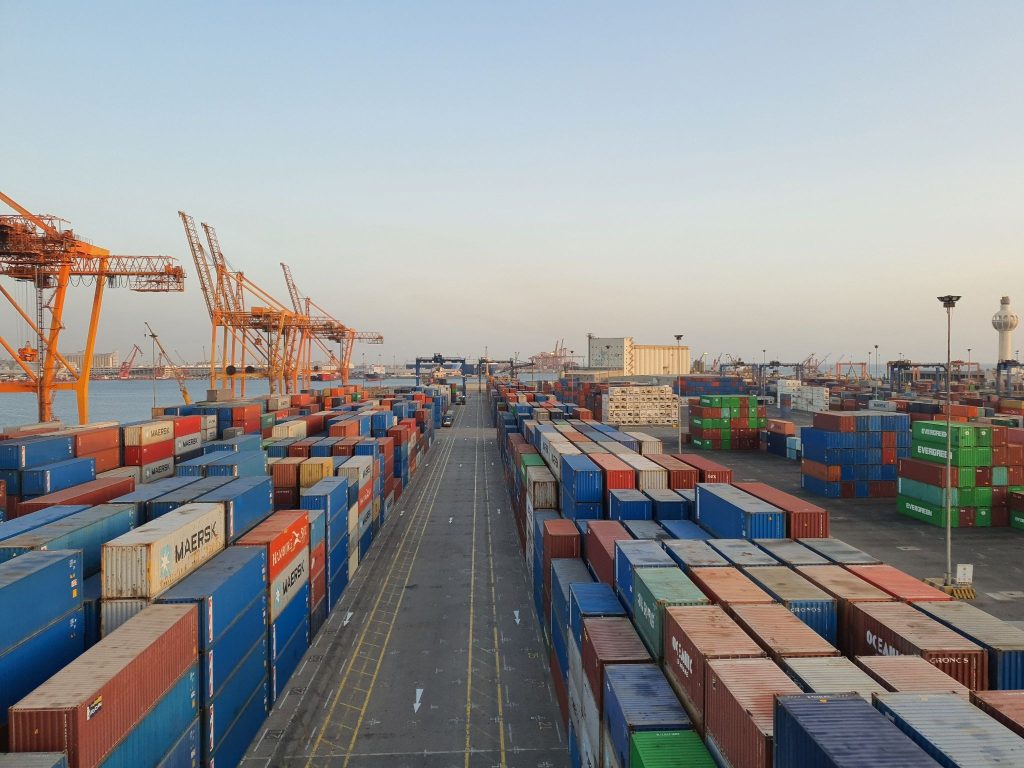
One of the primary advantages of open yard storage is accessibility. Heavy equipment can be loaded and unloaded more efficiently using cranes, forklifts, and trailers without the spatial constraints of enclosed warehouses. Additionally, businesses benefit from significantly larger storage areas at comparatively lower operating costs.
Understanding Traditional Warehousing
Traditional warehousing involves enclosed facilities designed to protect inventory from environmental conditions such as heat, dust, humidity, and rainfall. These facilities are ideal for products that require enhanced security, organized inventory systems, or controlled storage environments.
Traditional warehouses are commonly used for:
- Consumer goods
- Retail inventory
- Food products
- Pharmaceuticals
- Electronics
- High-value merchandise
Many modern warehouses also incorporate inventory management systems, surveillance, barcode tracking, and value-added logistics services that improve inventory accuracy and operational efficiency.
Open Yard Storage vs Traditional Warehousing
The right storage solution depends on your business requirements.
| Stores weather-resistant materials | Stores temperature-sensitive or fragile products |
| Handles oversized or irregular cargo | Requires organized shelving and inventory tracking |
| Requires frequent movement of heavy equipment | Handles high-value goods |
| Needs large storage areas | Needs enhanced security |
| Prioritizes cost-effective storage | Requires protection from environmental conditions |
Many businesses adopt a hybrid approach by utilizing both storage options. For example, construction companies often store machinery and steel in open yards while keeping tools, spare parts, and sensitive inventory inside enclosed warehouses.
Key factors to consider before choosing
Before selecting a storage solution, businesses should evaluate:
- Type and value of inventory
- Weather sensitivity
- Storage duration
- Loading and unloading frequency
- Security requirements
- Available budget
- Future business expansion
Choosing the right storage strategy can help reduce logistics costs, improve operational efficiency, and support long-term business growth.
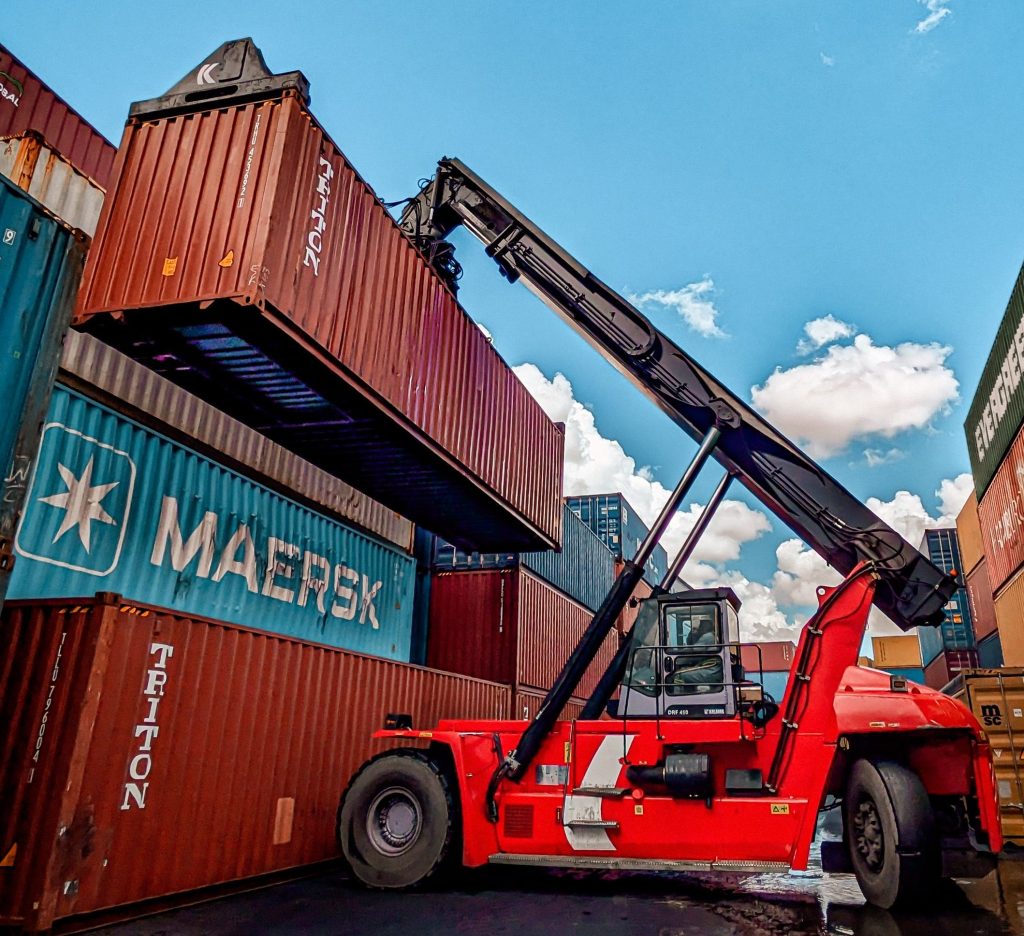
Why Open Yard Storage is becoming increasingly popular
Infrastructure projects, industrial manufacturing, renewable energy developments, and international trade continue to increase the demand for large-scale storage facilities.
According to the World Trade Organization (WTO), global merchandise trade volume is expected to continue recovering through 2026 as supply chains stabilize and industrial production improves. Growing trade volumes are encouraging businesses to invest in flexible storage solutions that can efficiently accommodate fluctuating inventory levels.
Open yard storage has become particularly valuable for industries where inventory is bulky, weather-resistant, and requires frequent movement. Compared to enclosed facilities, open yards offer greater scalability while helping businesses optimize storage costs.
How stocyard supports modern storage needs
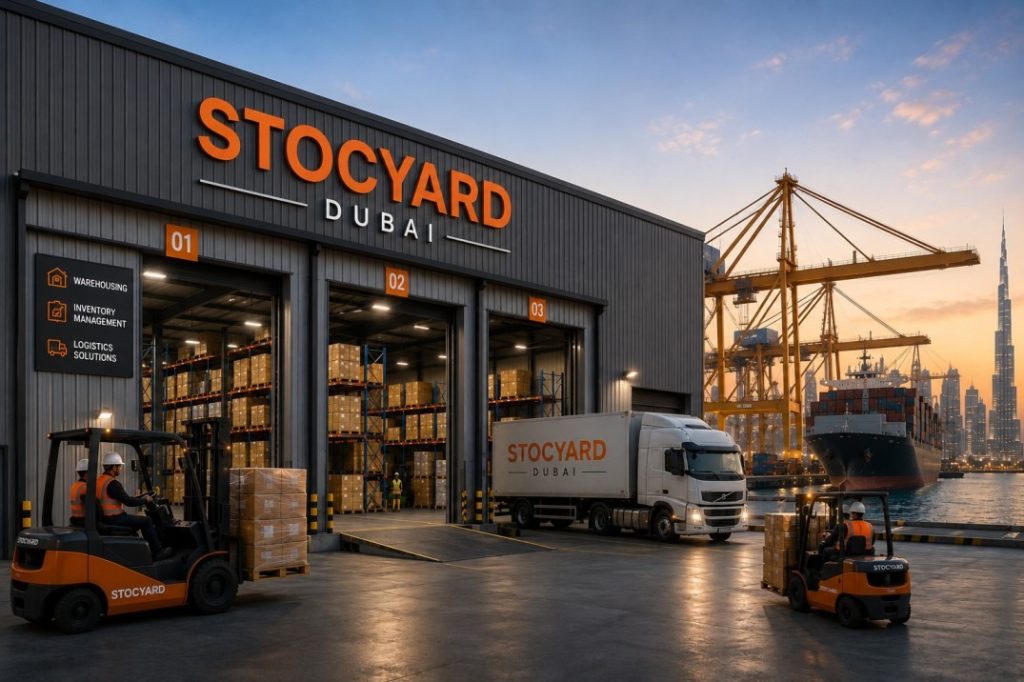
stocyard delivers integrated storage solutions designed to support businesses across diverse industries. With a network of 100+ warehouses operating across all seven Emirates and serving 500+ active clients, stocyard combines strategic infrastructure with technology-driven inventory management.
Our comprehensive offerings include:
- Open yard storage
- Smart warehousing solutions
- Cloud-based inventory management
- Inventory finance
- Logistics and 3PL services
- Quality testing and inspection
- Insurance facilitation
Whether businesses require outdoor storage for industrial equipment or secure warehouse space for valuable inventory, stocyard provides flexible solutions that improve visibility, operational efficiency, and supply chain performance.
Conclusion
There is no one-size-fits-all storage solution. The choice between open yard storage and traditional warehousing depends on the nature of your products, operational priorities, and long-term business objectives.
Open yard storage provides an economical and scalable solution for heavy equipment, construction materials, and industrial goods, while traditional warehousing offers the protection and inventory control required for sensitive or high-value products.
As global trade continues to expand and supply chains evolve, businesses that adopt the right combination of storage solutions will be better positioned to reduce costs, improve operational efficiency, and respond quickly to changing market demands. Partnering with an experienced storage provider like stocyard ensures access to flexible, technology-enabled storage solutions that support sustainable business growth.
FAQs
- What is open yard storage?
Open yard storage is a secure outdoor storage solution for large, bulky, or weather-resistant materials. It is commonly used for machinery, steel, construction materials, containers, and industrial equipment.
- When should I choose open yard storage?
Open yard storage is ideal when your goods can withstand outdoor conditions and require easy access. It is a cost-effective option for storing oversized or heavy inventory.
- What can be stored in a traditional warehouse?
Traditional warehouses are designed for goods that need protection from weather, dust, or temperature changes. They are suitable for retail products, electronics, food items, and pharmaceuticals.
- Is open yard storage more affordable than traditional warehousing?
Yes, open yard storage is generally more economical because it requires less infrastructure. It offers businesses a practical solution for storing bulk materials while optimizing storage costs.
- What storage solutions does stocyard offer?
stocyard provides open yard storage, smart warehousing, cloud-based inventory management, inventory finance, logistics & 3PL services, quality testing, and insurance facilitation. Our solutions are designed to support businesses with flexible and efficient storage needs.