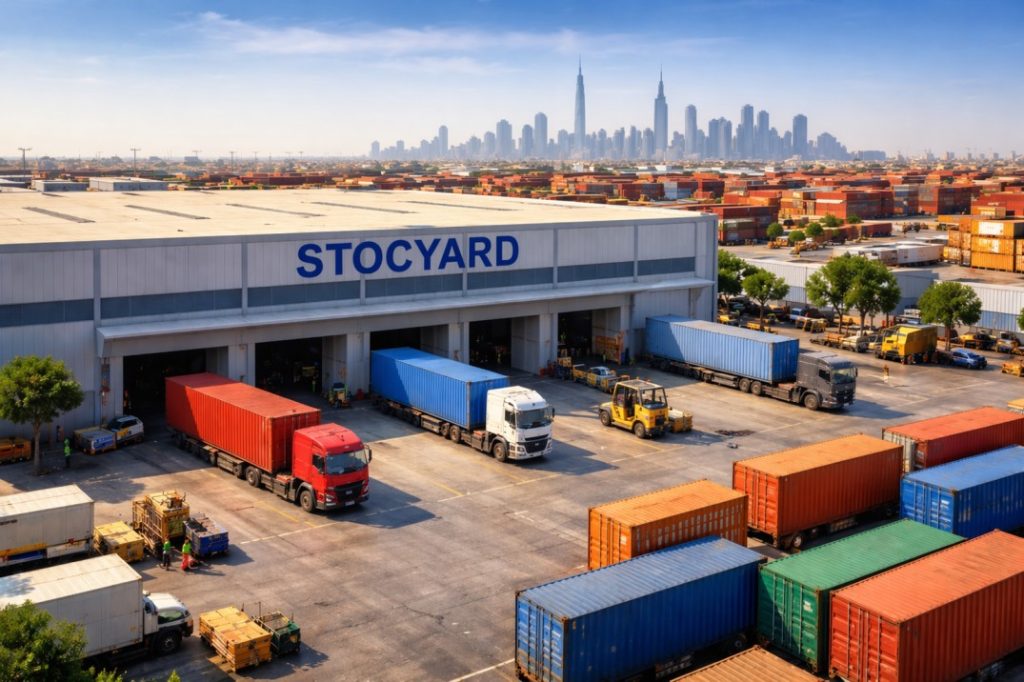
For a long time, warehousing was seen as a space business.
How much storage is available?
How quickly can inventory move?
What is the rental cost per square foot?
That was the conversation.
But across the UAE’s rapidly evolving logistics ecosystem, something interesting is happening.
Warehousing is no longer being driven only by physical space. Increasingly, it is being driven by visibility, intelligence, and real-time data.
Today, businesses don’t just want storage. They want to know:
- where inventory is,
- how efficiently it is moving,
- what risks exist across the supply chain,
- and how quickly decisions can be made.
In many ways, warehousing in the UAE is transforming into business intelligence. And that is changing how modern logistics infrastructure is being built.
The UAE is becoming a global logistics nerve centre
The UAE has positioned itself as one of the world’s most important trade and logistics hubs. Its strategic connectivity across Asia, Africa, Europe, and the Middle East has made the country a major gateway for:
- commodity trade,
- re-exports,
- e-commerce,
- manufacturing,
- and global supply-chain movement.
As trade volumes continue increasing, warehousing demand is also expanding rapidly across the region.
But modern supply chains are becoming far more complex than before. Businesses today deal with:
- fluctuating inventory cycles,
- global shipping disruptions,
- multi-country sourcing,
- faster delivery expectations,
- and dynamic trade routes.
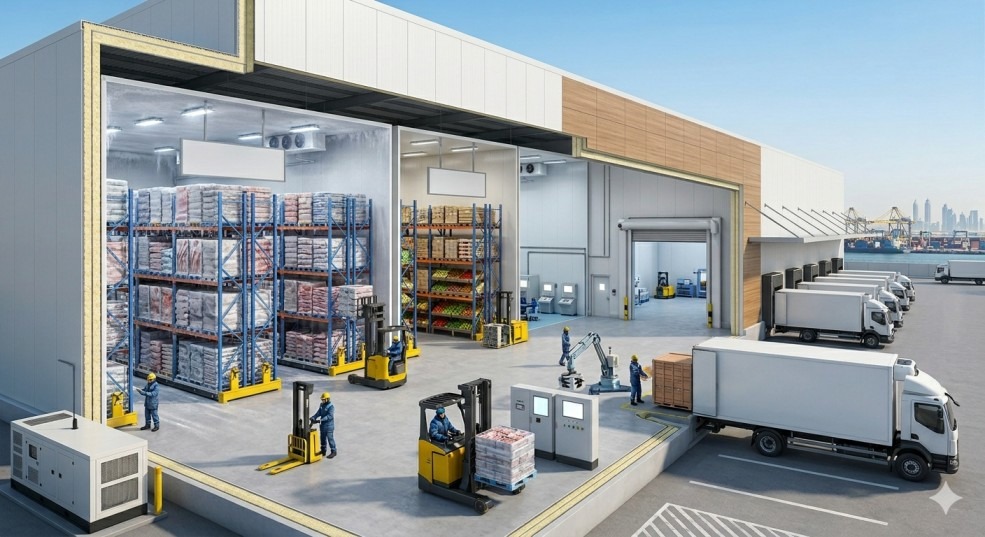
Warehouses are becoming business intelligence infrastructure
Traditionally, warehouses functioned as passive storage facilities. Today, they are increasingly becoming active operational ecosystems powered by data. Modern warehousing systems can now provide:
- real-time inventory visibility,
- cloud-based stock tracking,
- ERP integrations,
- movement analytics,
- digital documentation,
- and predictive operational insights.
This changes the role of warehousing completely. An intelligent business storing inventory today does not just want space. It wants information. For example:
- Which warehouse location offers faster turnaround?
- Which inventory is moving slowly?
- Where are operational bottlenecks emerging?
- How can storage costs be optimised?
- What stock is ready for dispatch immediately?
These are data questions as much as logistics questions. And that’s why warehousing is increasingly becoming part of a larger intelligence ecosystem.
Why this shift matters more in the UAE
The UAE operates within one of the most globally connected trade environments in the world.
Inventory movement across ports, free zones, industrial clusters, and international markets happens continuously. Business intelligence often require flexible warehousing solutions across multiple locations and varying timelines.
In such a fast-moving environment, operational visibility becomes critical. Even small delays or inventory inefficiencies can impact:
- trade cycles,
- working capital,
- delivery timelines,
- and customer commitments.
This is why digitisation and data-led warehousing are becoming increasingly important across the UAE logistics sector.
Globally, smart warehousing and AI-enabled logistics systems are rapidly becoming key supply-chain priorities as business intelligence seek faster visibility and operational agility.
Flexible warehousing needs smarter data systems
One of the biggest changes happening in logistics today is the rise of flexible storage demand. Business intelligence no longer always wants fixed, long-term warehousing commitments. Inventory cycles are becoming more dynamic, seasonal, and unpredictable. As a result, companies increasingly prefer:
- on-demand storage,
- multi-location access,
- shorter rental durations,
- scalable warehousing,
- and pay-as-you-use models.
But flexible warehousing can only work efficiently when supported by strong digital visibility. Without real-time inventory intelligence, managing distributed storage networks becomes difficult.
This is where cloud-connected warehousing platforms are becoming far more relevant. Because flexibility in logistics today depends heavily on visibility.
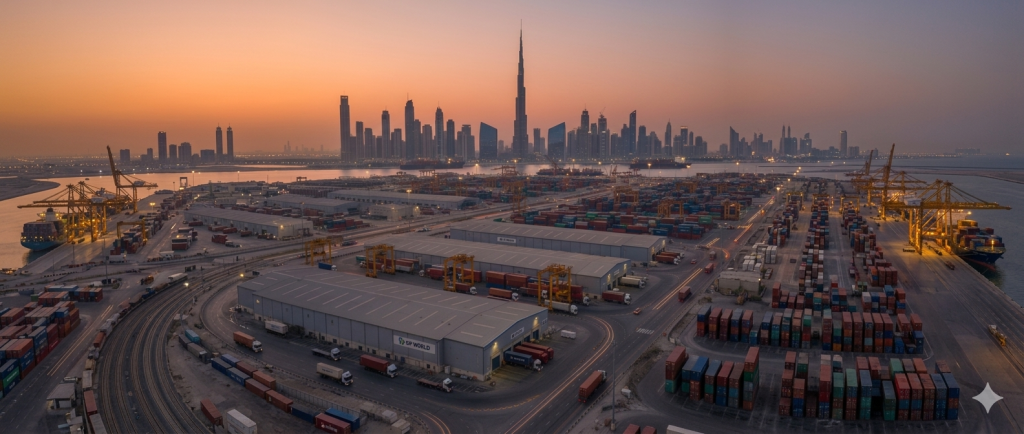
How stocyard is participating in this shift
As the UAE logistics ecosystem evolves, stocyard is helping business intelligence access more connected and technology-enabled warehousing solutions.
stocyard operates across all 7 Emirates and provides access to 100+ warehouses serving more than 500 clients across different storage requirements. Its ecosystem includes:
- open yard storage,
- general warehousing,
- industrial warehousing,
- chemical storage,
- and cold storage solutions.
But increasingly, the platform’s relevance comes from combining storage access with digital visibility through:
- cloud inventory systems,
- ERP integrations,
- inventory intelligence,
- and flexible warehousing models.
This becomes particularly important in modern supply chains where business intelligence require faster operational decisions instead of static warehousing arrangements.
The future of warehousing may depend on visibility more than space
Warehousing will always remain a physical business. But increasingly, its competitive advantage may come from intelligence.
The ability to track inventory faster.
Respond to disruptions earlier.
Improve operational visibility.
Enable flexible movement.
And connect warehousing seamlessly with larger supply-chain ecosystems.
That is where the industry appears to be heading. And in globally connected trade hubs like the UAE, warehouses may no longer function simply as storage destinations. They may evolve into real-time intelligence centres powering modern commerce.
As stocyard continues integrating warehousing with digital visibility and flexible logistics infrastructure, the future of warehousing in the UAE may become less about storing inventory and more about understanding it.
FAQs
- Why is warehousing becoming data-driven?
Modern businesses require real-time inventory visibility, operational intelligence, and connected logistics systems to manage supply chains efficiently.
- What is smart warehousing?
Smart warehousing uses cloud systems, ERP integrations, inventory tracking, and analytics to improve warehouse operations and visibility.
- Why is the UAE important for global logistics?
The UAE serves as a major global trade hub connecting Asia, Africa, Europe, and the Middle East through advanced logistics infrastructure.
- How does digital visibility improve warehousing?
Digital visibility helps businesses track inventory, reduce operational delays, improve planning, and optimise storage utilisation. - How is stocyard supporting technology-enabled warehousing?
stocyard combines flexible warehousing access with cloud inventory systems, ERP integrations, and multi-location storage solutions across the UAE.