
Significance of Scientific Warehouse Storage

warehouse storage

Scientific warehouse storage is more than neat racks and barcode scanners. It’s the systematic application of data, controlled environments, automation and inventory science to store goods so that their value, quality and traceability are preserved. At the same time, operating costs, waste and stockouts fall. For businesses in fast-moving markets like the UAE, scientific warehouse storage turns storage from a passive cost centre into an active, measurable advantage.

The building blocks of scientific warehouse storage

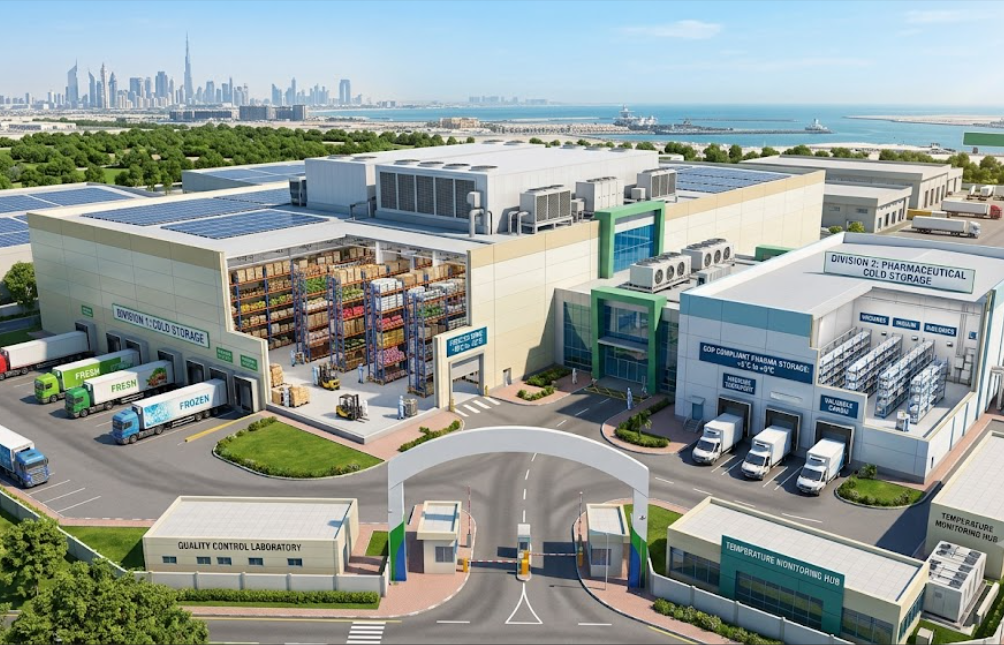
  • Environment control & quality testing: temperature, humidity and contamination controls (and in some industries, rapid in-warehouse quality testing) keep sensitive items shelf-stable and compliant.
  • Real-time visibility: continuous location and stock-level tracking (RFID, IoT sensors, telematics) eliminates guesswork and supports just-in-time fulfilment.
  • Data-driven slotting & replenishment: analytics determine where to place SKUs for fastest picks and lowest handling cost, and automate reorder triggers.
  • Automated operations: conveyors, AS/RS (automated storage/retrieval systems) and pick-to-light solutions speed throughput and reduce human error.
  • Integrated software (WMS/IMS): warehouse management and inventory systems orchestrate labour, space and transport to balance service levels and cost.

Why does it matter now? The market context

Global supply chains have placed a premium on agility and certainty. As warehousing becomes a strategic lever, investment in systems that enable scientific warehouse storage is growing quickly. Industry forecasts show strong growth for the warehouse management systems and inventory-software markets, reflecting rising demand for digital control and visibility.

The global warehousing market generated a revenue of USD 1,079.8 billion in 2024 and is expected to reach USD 1,726.7 billion by 2030. The market is expected to grow at a CAGR (2025 – 2030) of 8.1% by 2030.

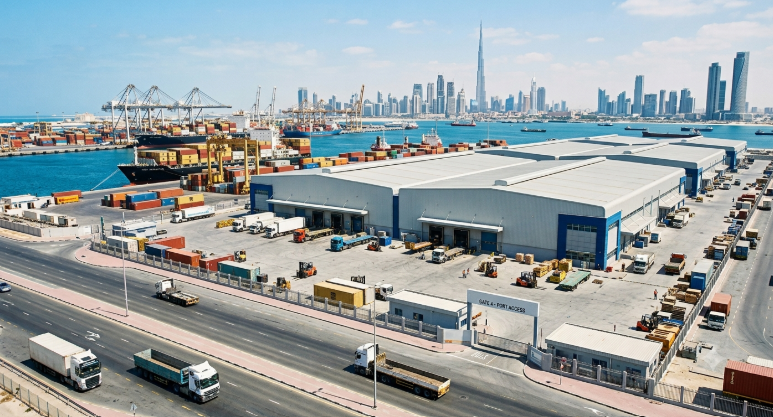
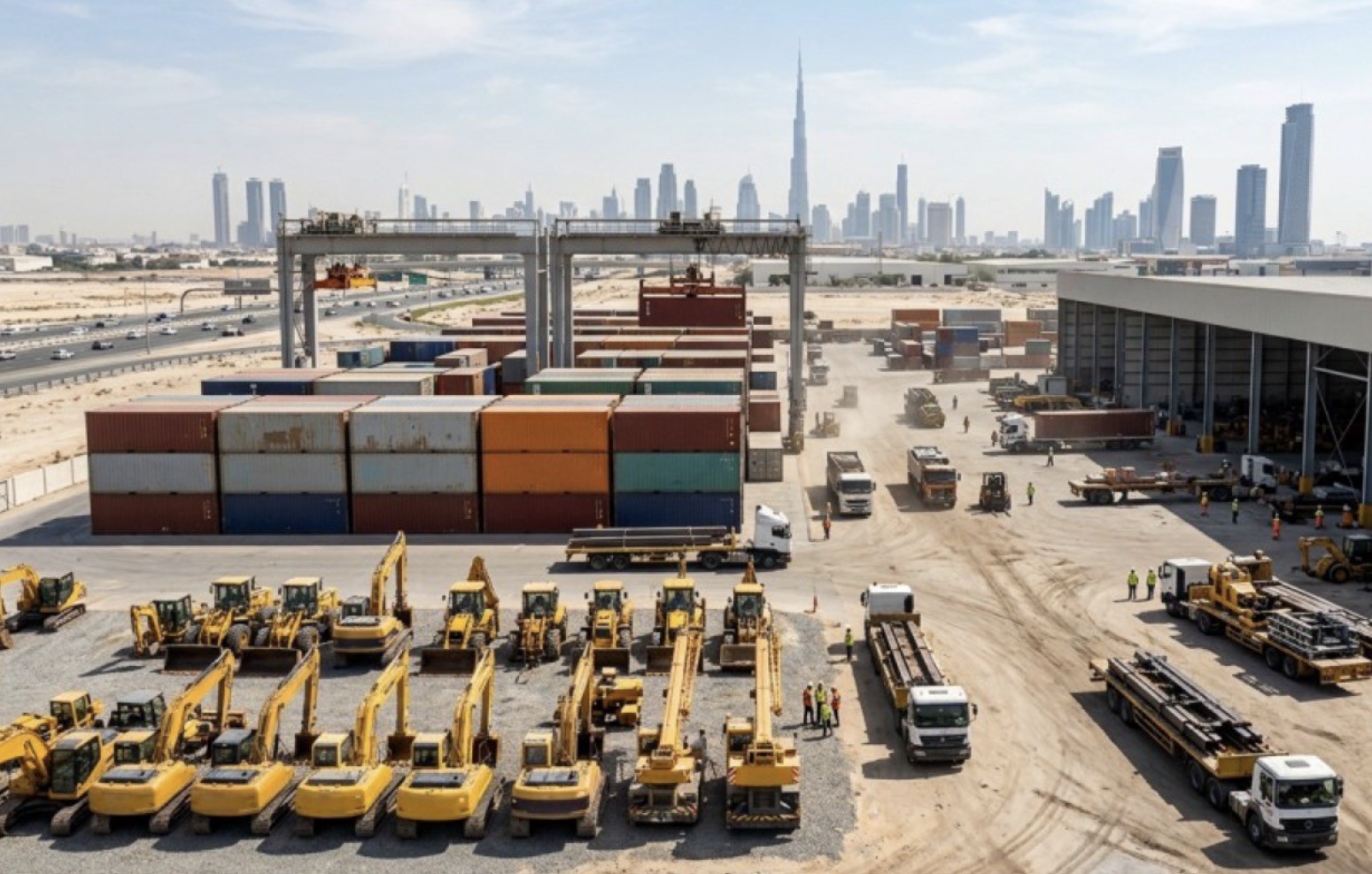
Regionally, the UAE is an important logistics hub: its warehousing market is measured in billions of dollars and is being driven by e-commerce expansion, trade flows and strategic port/airport infrastructure, all factors that make scientific warehouse storage particularly relevant for operators and merchants in the Emirates. As per a recent market outlook, the UAE warehousing market is valued at USD 3.02 billion in 2024, with a CAGR of 4.6% from 2024-2030.

Business benefits with measurable outcomes

  • Reduced spoilage and returns: By controlling micro-environments and monitoring stocks, perishable and high-value goods retain quality longer.
  • Lower working capital tied in inventory: Better forecasting and faster turns mean less cash locked on shelves.
  • Higher fulfilment accuracy & faster delivery: Real-time stock visibility reduces stockouts and late shipments, critical in the UAE’s competitive e-commerce market.
  • Regulatory & audit readiness: Traceability features enable faster compliance, recalls, and audits with lower risk.
  • Operational scalability: Automation and innovative software enable warehouses to handle sudden peaks without a proportional increase in labour costs.

Practical steps include deploying a modern WMS (Warehouse Management System) / IMS (Inventory Management System), adding sensor and IoT layers for environmental and location monitoring, applying analytics for slotting/replenishment, and piloting automation for repetitive tasks. Integration with transport and order systems is essential so that warehousing decisions align with customer demand and shipping plans.

What does stocyard have to offer?

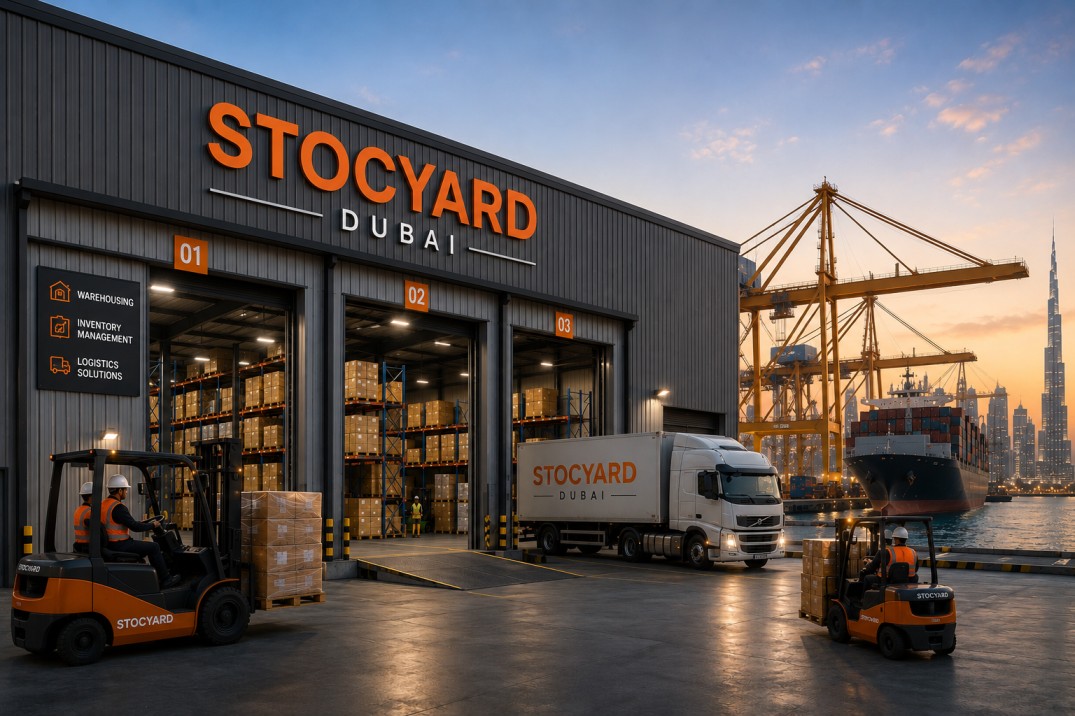
stocyard brings scientific warehousing to life through technology-led, flexible storage solutions across the UAE. As an inventory management and storage platform, stocyard offers access to cold storage, dry warehouses, open yard solutions, and 24×7 storage facilities, tailored to evolving business needs. With a growing footprint of UAE warehouses, including Dubai storage locations, the platform enables real-time inventory visibility and better space optimisation. Backed by StarAgri’s proven warehousing and quality management expertise, stocyard combines global best practices with local execution, helping businesses move from conventional storage to truly scientific warehousing.

Conclusion 

Scientific warehouse storage is the operational equivalent of treating storage as an active, optimisable process rather than a passive expense. In markets like the UAE, where e-commerce growth, perishable trade and cross-border flows are accelerating, adopting data, controls and automation isn’t optional; it’s a source of competitive edge. For businesses that prefer to deploy rather than build, stocyard, backed by StarAgri expertise, offers an efficient route to the benefits of scientific warehouse storage.