
Types of Warehousing in Dubai: How to Choose the Right Storage Solution

Dubai has become one of the world’s most competitive warehousing markets, and if you’re running a business here, chances are storage decisions are weighing on your mind more than you’d like. With so many warehouse types, locations, and pricing models on offer, picking the right one can feel overwhelming. Let’s simplify it.

Why Warehousing in Dubai is such a big deal right now

Dubai’s location at the crossroads of Asia, Europe, and Africa has always made it a logistics magnet, but the numbers behind that reputation are genuinely striking. The UAE logistics market was valued at around USD 65.49 billion in 2025 and is projected to reach nearly USD 112 billion by 2035, growing at a steady 5.5% CAGR, according to Expert Market Research. Within commercial real estate, logistics facilities are actually the fastest-growing segment, expanding at a projected 7.1% CAGR through 2030, driven by manufacturing localisation and booming e-commerce demand, as reported by Mordor Intelligence.

That demand is outpacing supply. Grade A warehouse vacancy in Dubai sits at a tight 8.6%, and industrial & logistics rents in Dubai climbed 13% year-on-year, largely due to a persistent shortage of high-spec warehousing space. Meanwhile, trade momentum keeps building: UAE non-oil exports grew 41.3% year-on-year in Q1 2025, with imports rising 15.6% over the same period, both fuelling structural demand for more warehousing and distribution capacity. 

In short: if you’re storing goods in Dubai, you’re operating in a market where space is valuable and choosing wisely really matters.

The Main Types of Warehousing in Dubai

  • Public Warehousing: These are shared spaces run by third-party providers and rented out to multiple businesses. They’re ideal if you need flexibility like short-term storage, seasonal capacity, or you simply don’t want to commit to a long lease. You pay for the space and services you use, without the overhead of managing a facility yourself.
  • Private Warehousing: Here, a business either owns or exclusively leases a facility, giving it full control over layout, operations, and customisation. This suits companies with consistent, high-volume storage needs, or those handling specialised goods that require dedicated handling processes.
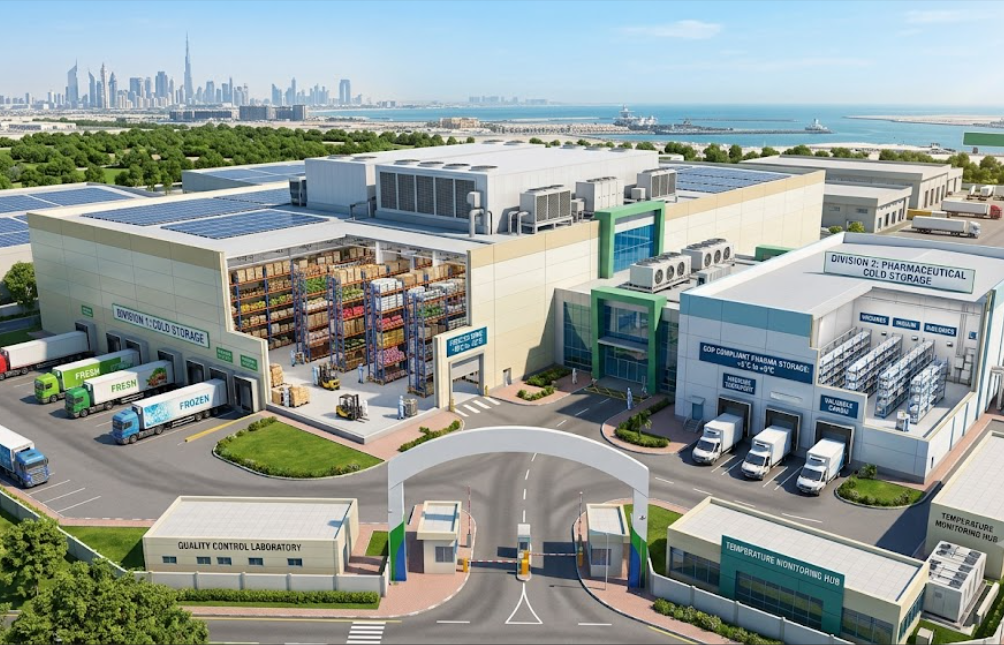
  • Cold Storage / Temperature-Controlled Warehousing: Essential for food, pharmaceuticals, and perishables, these facilities maintain specific temperature and humidity ranges. Given Dubai’s climate and its role as a food and pharma trade hub, demand for reliable cold chain infrastructure has grown substantially.
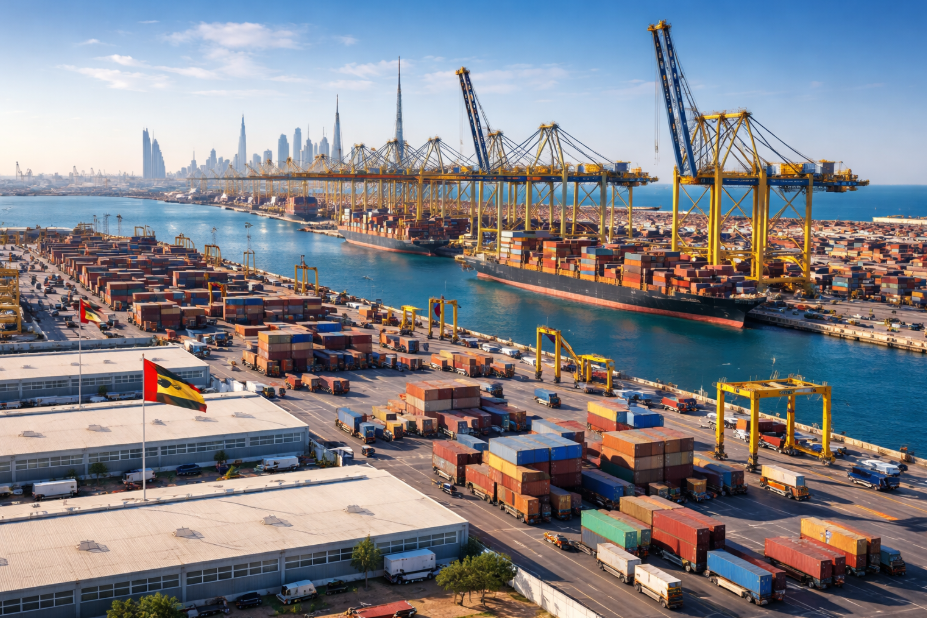
  • Bonded Warehousing: Located within free zones, bonded warehouses let businesses store imported goods without paying customs duty until the goods actually leave the facility for the local market. This is a major advantage for re-export businesses, which make up a significant part of Dubai’s trade activity.
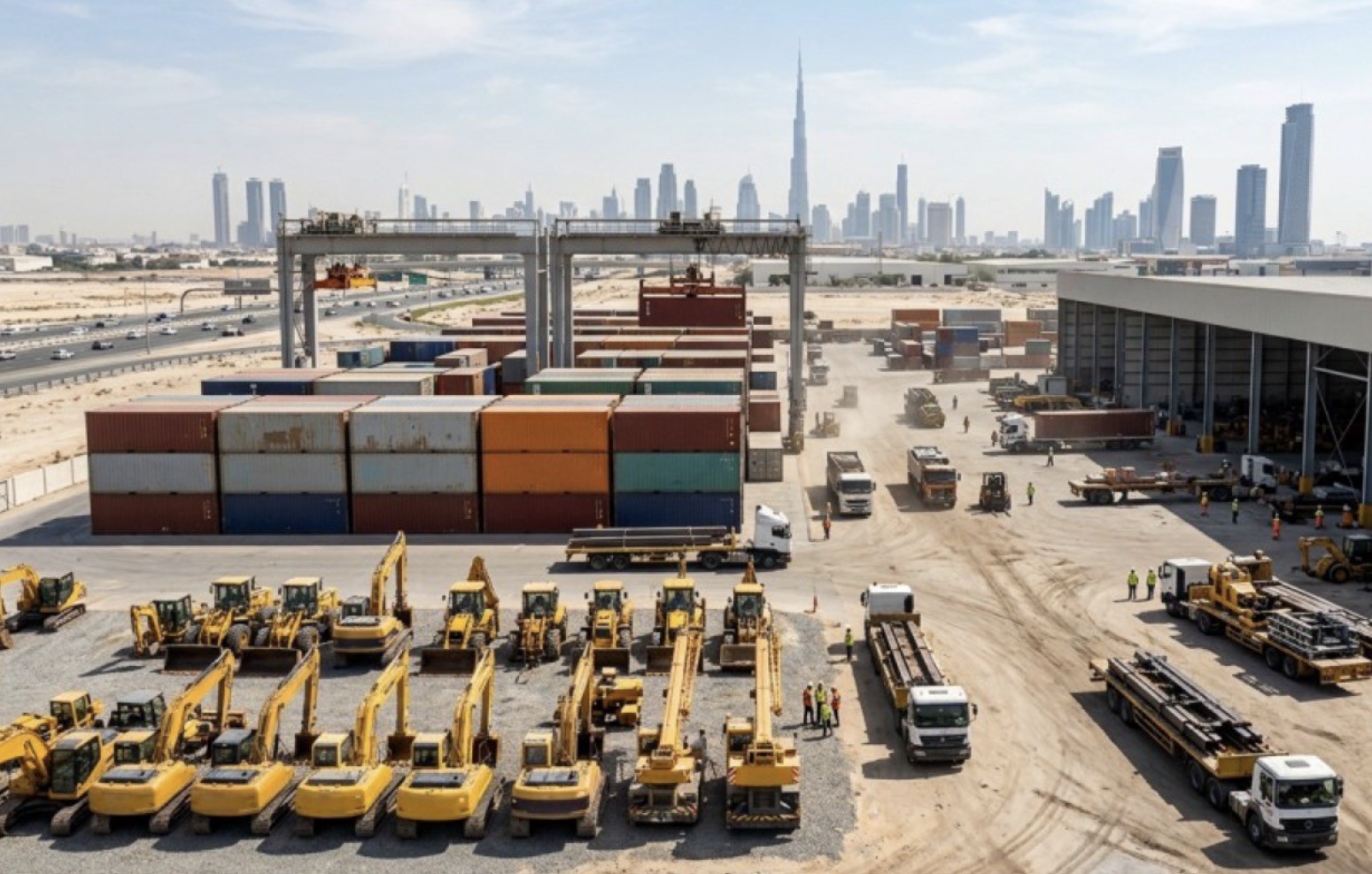
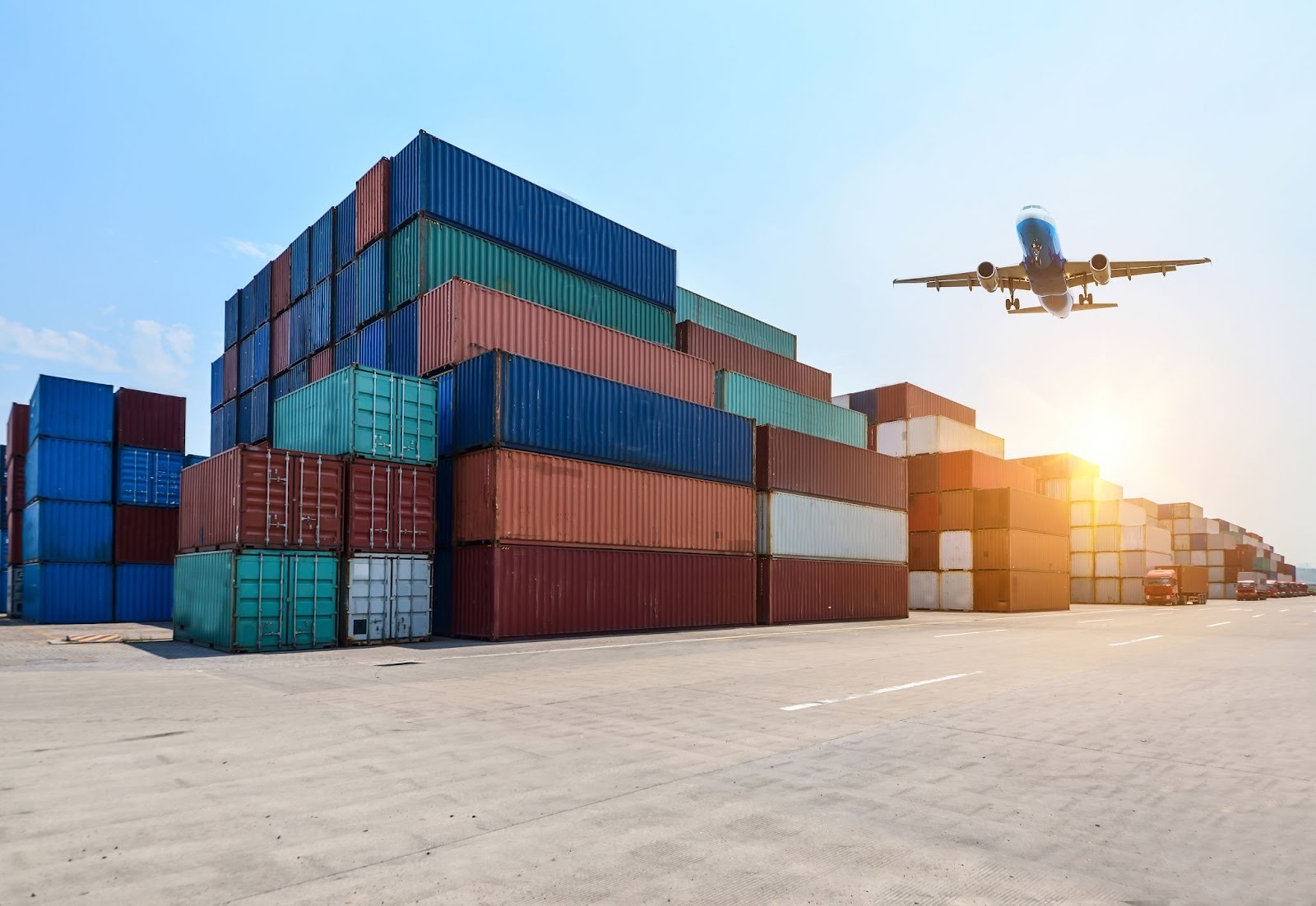
  • Bulk and General Cargo Warehousing: These facilities handle large volumes of non-perishable goods, construction materials, FMCG, auto parts, and industrial equipment, typically with straightforward storage requirements and simpler handling infrastructure.
  • 3PL (Third-Party Logistics) Warehousing: Beyond just storage, 3PL warehouses bundle in services like inventory management, order fulfilment, and last-mile distribution, a good fit for e-commerce businesses that need more than four walls and a roof.

How to Choose the Right One

Start with your goods: perishable items need cold storage, non-perishables might do fine in general cargo space. Then factor in volume and consistency: steady, high-volume storage often justifies private warehousing, while seasonal needs are better served by public warehousing’s flexibility. Finally, if you’re re-exporting through the UAE, a bonded warehouse in a free zone could meaningfully reduce your costs.

How stocyard makes this decision easier

This is exactly the kind of decision stocyard is built to simplify.

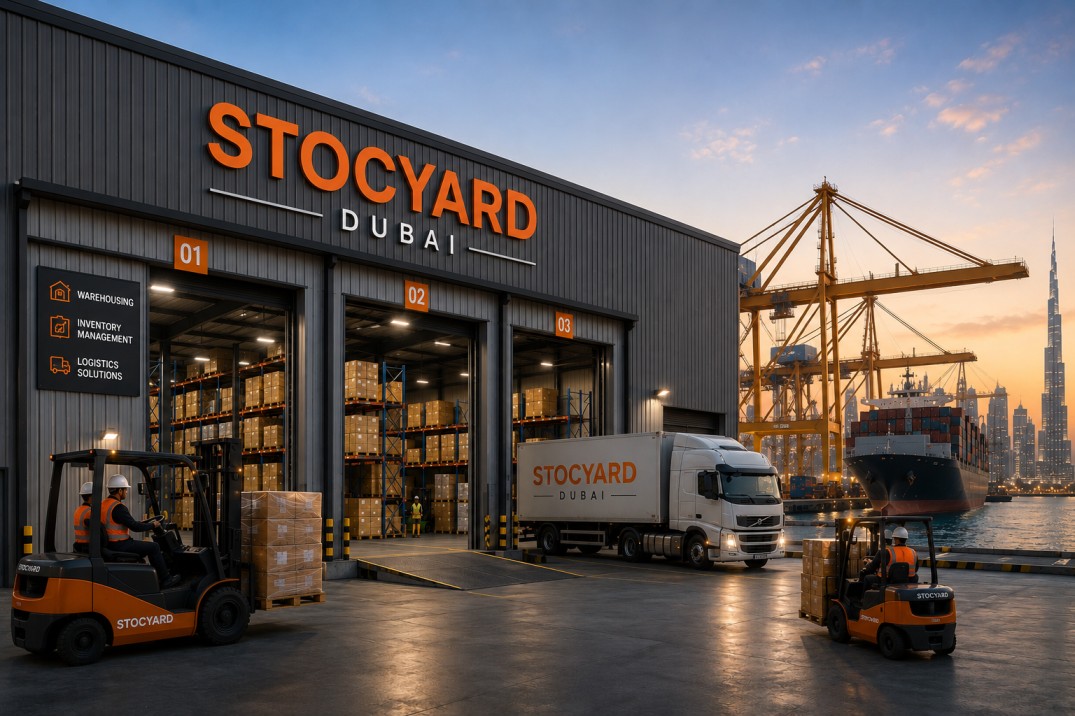
Instead of negotiating with multiple warehouse operators individually, stocyard offers a digital marketplace where businesses can discover, compare, and book verified warehouse space across Dubai, Sharjah, and Abu Dhabi, covering everything from bulk and chiller storage to FMCG and heavy equipment cargo types.

Every listing comes with real-time visibility into space availability, along with features like temperature-controlled storage and 24/7 security, so you know exactly what you’re getting before you commit. stocyard also supports comprehensive distribution services, helping businesses move from simply storing goods to actually scaling their supply chain across the UAE.

Backed by StarAgri’s broader operational expertise across warehousing and logistics, stocyard brings a level of transparency and technology-driven convenience that’s still rare in the traditional warehousing space.

Conclusion 

Dubai’s warehousing market isn’t slowing down anytime soon, and with space at a premium, the businesses that thrive will be the ones that match their storage strategy precisely to their needs rather than settling for whatever’s available. Whether that’s a flexible public warehouse, a dedicated cold chain facility, or a bonded space for re-exports, getting this decision right early on can save real money and operational headaches down the line.

FAQs

  1. What’s the difference between public and private warehousing in Dubai?
    Public warehouses are shared spaces rented from a third-party operator, offering flexibility without long-term commitment. Private warehouses are exclusively leased or owned, giving businesses full control but requiring more consistent, higher-volume usage to justify the cost.
  1. Why is bonded warehousing important for businesses in Dubai?
    Bonded warehouses, located within free zones, allow businesses to store imported goods without paying customs duty until the goods leave for the local market, a major advantage for re-export-focused businesses.
  1. How much does warehousing cost in Dubai right now?
    Costs vary by location, warehouse type, and specification, but industrial and logistics rents in Dubai rose around 13% year-on-year recently due to a shortage of high-spec warehouse space.
  1. What type of warehousing is best for e-commerce businesses?
    3PL warehousing is usually the best fit, since it combines storage with services like inventory management, order fulfilment, and last-mile distribution.
  2. How does stocyard help businesses find the right warehouse in Dubai?
    stocyard offers a digital marketplace to discover, compare, and book verified warehouse space across Dubai, Sharjah, and Abu Dhabi, with real-time visibility into availability, features, and pricing.